“What’s remembered, Lives”
Frances McDormand ‘Nomad Lands’
THE AUTHORS NOTE
At the time of writing, the future of Public Houses in the United Kingdom has never looked more uncertain.
Pubs were closing down at a rate of one every 12 hours, as stated in an article by the Daily Telegraph in 2021.
In 2025 pub closure increased to around four per day. ‘Campaign For Real Ale’.
But it was not always this way!
As far back as the Middle Ages, inns and public houses epitomized the place where ordinary working people met and socialized, over a beer !
Before cars, horse drawn carriages transported travelers from towns and cities. The carriage stops were often the public houses which had stables for the horses attached. There are frequent tales of highwaymen pillaging and plundering innocent folks in their horse drawn carriages whilst journeying between major cities.
Public houses or ale houses provided a place to meet friends, share stories, plan projects and escape after a hard day at work. They were the ‘glue’ of society, providing a regular place for social interaction and a feeling of community.
Beer may be considered a part of our national heritage, the “amber nectar’, a treasure in its own right. A simply wonderful, affordable intoxicating liquor. Often the popularity of a public house depended on the quality of the beer it served, contributing enormously to the publican’s profitability.
During periods of history when drinking water hygiene standards were questionable, beer was the drink of choice, at times even surpassing water as at least the beer had been sterilized rendering it potable.
Individual countries are often historically associated with a particular alcoholic beverage. In England arguably, this has always been beer. Although very popular as a beverage throughout the United Kingdom, the tradition of brewing beer was particularly prevalent in the industrial northern cities of Birmingham and Manchester, where there remains a great tradition of drinking beer.
The Fulford Brewers were brewing through a period extending before and after the Victorian era both in Birmingham and Manchester. The latter period of this history is depicted in the film series Peaky Blinders which is set within industrial Birmingham.
A FORGOTTEN LEGACY !
“Faith is taking the first step even when you don’t see the whole staircase”.
Martin Luther King, Jr
The Fulford Brewers were seemingly forgotten by my Fulford family. Information about a family brewery was only passed to me via my grandmother’s stories when I was a young child.
Vaguely remembered tales of a brewery which generated great wealth whose fortune was lost when the returnable beer bottles were broken by children to retrieve and play with the marble from the top.
Many years later and long after my grandmother had died, I began to explore whether there were any truths in the Fulford family brewing myths.
I suspected that most past information had been lost, due to the reliance on word of mouth transmission but I hoped, with modern technology, and increased access to historical records that Fulford brewing history may be rediscovered and recorded for future generations.
The revealing of our direct lineage and Fulford presence within the brewing industry was the equivalent of raising a metaphorical ‘Titanic’. A great body of information which had been lost, forgotten, lying at the bottom of the sea, needing to be rescued and brought back to life. A Phoenix from the ashes !
What has emerged is a multitude of Fulfords involved as farmers, maltsters, brewers, publicans and victuallers. Numerous breweries with associated pub ownership over a period of time spanning more than 200 years and eight generations.
Such discoveries fueled a passion and determination to uncover the details and ensure that such valuable information was never lost again.
This story is the history of Fulfords involved in the brewing industry, and the hundreds of pubs they owned and operated through many generations.
FULFORD BEGINNINGS
There are Fulford lineages established in several areas of Great Britain which also include the Royal lines based primarily in Devonshire. The brewing Fulfords originated from the Midlands and were established separately and extensively. Links to the Devonshire Royal Fulfords are currently unconvincing but may be definitively discovered with new methods of DNA research.
EARLY BREWING ROOTS
The Fulford brewing empires began in and around Birmingham then laterly transited to Manchester.
The story begins with a view of the early name history and Fulford presence in the Midlands as far back as medieval times. A tale of Fulford survival of the Black Death (1346 to 1353), continuing resilience during the 15th Century and success in overcoming the Great Famine (1845 to 1852) (Historian, ‘OC’ Birmingham History Forum).
Primarily and most pertinent to the beer story, Fulford families were prolific land owners, spending their time farming, milling, and brewing the beer. The fluid canal systems were a means of transporting precious cargoes. The marvelous beer, the ‘fruits of their labour’, was enjoyed by so many people over countless decades but not always with favourable outcomes.
As publican landlords, Fulford brewers were often owning and operating many of the pubs where the beer was sold.
What emerges throughout, is an extraordinary account of familial entrepreneurs, cooperating together to ensure survival through generations, effectively securing their economic and brewing success.
FULFORD NAME HISTORY
‘FOUL FORD’ AT GREET
‘Tigerlily’s’ contact with the Birmingham History Forum and a reply from historian ‘OC’, provided a first glimpse into the early history.

Following historian O.C.’s reference;
“Fulford comes from the name Foul Ford (1275)”
The origin of the Fulford family name may be narrowed to a specific muddy crossing of the Cole river in Birmingham known as ‘Foul Ford’. The crossing lay next to Greet mill (no longer in existence) and just south of Sarehole mill.
“Two routes of greatest antiquity, both ridgeways .. possibly pre Saxon in use, One of these .. The Stratford rd winds across the level between stream-heads until it must dip to cross the Cole. It makes a sharp bend there to traverse the boggy valley at right-angles before resuming its northwesterly direction. The crossing point may not be the original one: before the bend the road points directly to the Forman’s crossing, sometime ‘foul Ford’ “.
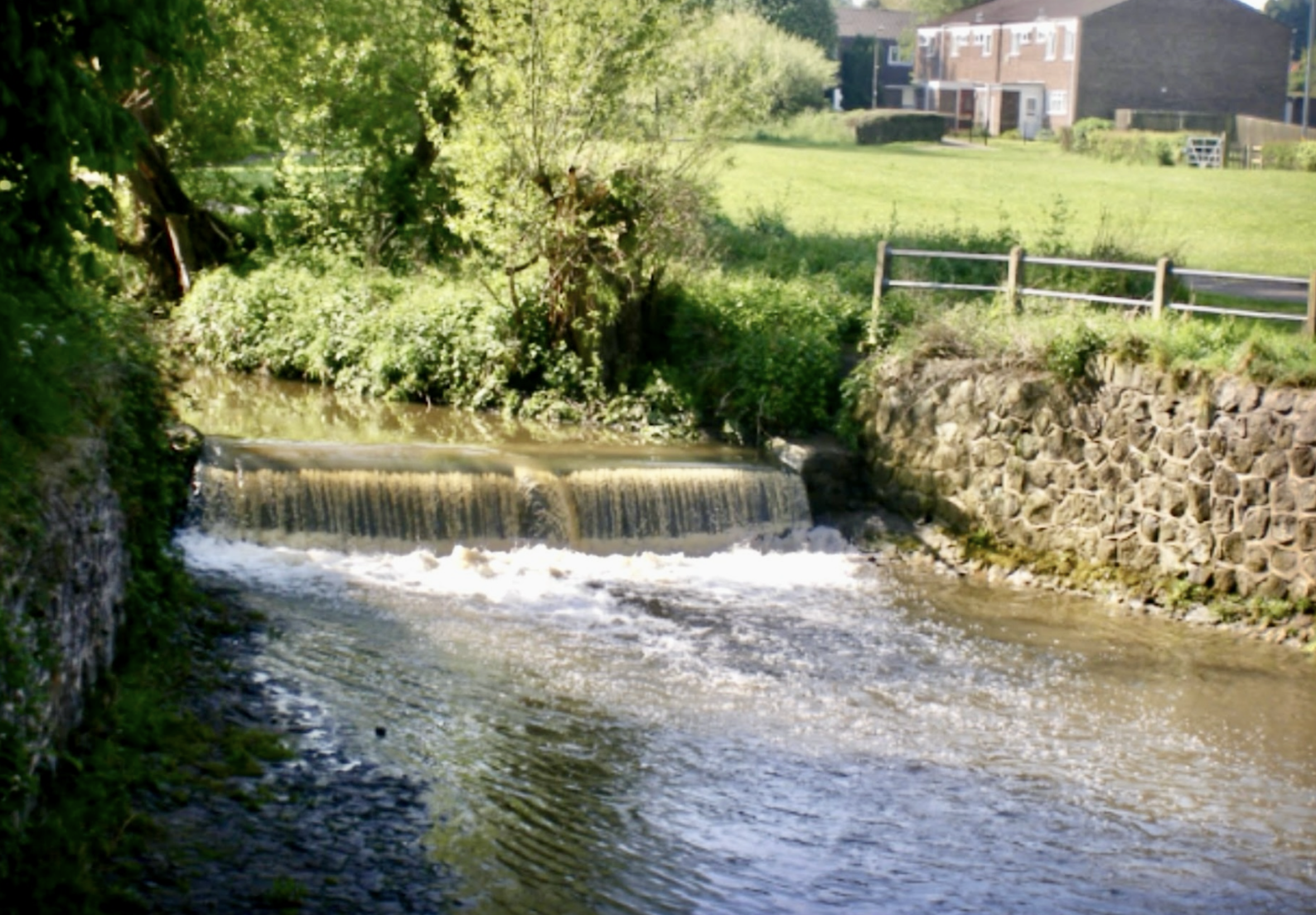
The River Cole waterfall in Greet Mill meadow, Stratford Rd, via the Sarehole Rd. Courtesy: Elliot Brown. 29/4/2009
Names often developed from features of the places where people lived. The Fulford name was determined by a narrow crossing of the Cole river at Stratford road in Yardley, Birmingham, Warwickshire.
“At Greet Mill, Stratford rd diverges to cross below the site of the weir, making use of the gravel bed and the customary shallows – but from the 13th Century there are records of men and horses being swept away there during Floods”.
In 1275, Richard ‘Fullard’, (a derivative of the ‘Fulford’ name), tragically lost his life and his horses attempting to cross the flooded Cole River at ‘Foul Ford’, Greet. Professor Carl Chinn’s book, ‘The Streets of Brum’ 2003.
No wonder it was named ‘Foul Ford’ !
YARDLEY
There are even earlier references to ‘Fulford’ land within the Yardley, area of Birmingham. Records exist just after the reign of King John (1199–1216) and during the time of King Richard II (1377–1399) alias ‘Richard of Bordeaux’. Aston & Stoke Geneology.com
Various texts show early Fulford presence in the Yardley area;
‘Settlement in South Yardley’- No names for Yardleians earlier than those of the C13-14th have survived. In the earliest tax returns families can be placed as dwellers in the school area, but there were several around it. John and Henry Lowe, Richard de Fulford… in the middle ages Greet was owned by studley manor, while Fulford, Faucmbe, Greethurst, Swanhurst and Sarehole were the property of Maxstoke Priory”.
RICHARD DE FULFORD (c.1250-)
In 1275 Richard de Fulford was one of the earliest tax payers in Yardley, paying taxes of 40 shilling a year, most probably the unfortunate man who lost his life at the ‘Foul Ford’ crossing.
HENRY FULFORD (c.1310-) AND DAUGHTER AGNES (c.1340)
Despite the loss of Richard de Fulford (c.1250-), Fulfords were able to establish themselves within the Yardley area as noted in a reference to Henry Fulford (c.1310-) and his daughter Agnes (c.1340-) who was granted three fields of Yardley land by William Haukes in 1360.
“Worth noting the deeds in 1360 to Yardley Parish (3 fields) was a grant from William Haukes of Yardley Coupere ? to Agnes Daughter of Henry Fulford” Historian, ‘OC’ Birmingham History Forum
FULFORD HALL, (GROVE FARM), YARDLEY
“By 1300 Yardley’s population was about 500. Most of the folk lived in about four open field systems, Yardley and Lee (Lea Hall) in the north, Tenchley (Stockfield /Acocks Green) and Greet (Sparkhill). But there were by that time many individual asserts which can be located because their owners’ surnames have survived in place-names, or because those who lacked a surname added a known location to baptismal names. Thus we find the Sparks of Sparkhill, The Lowe’s of Lowe (Stoney) Lane and the Pugges of Quagmire farm, formerly Puggemire and taxpayers (de) of Fulford (GroveFarm )…“
Reference: aghs.jimdo.com
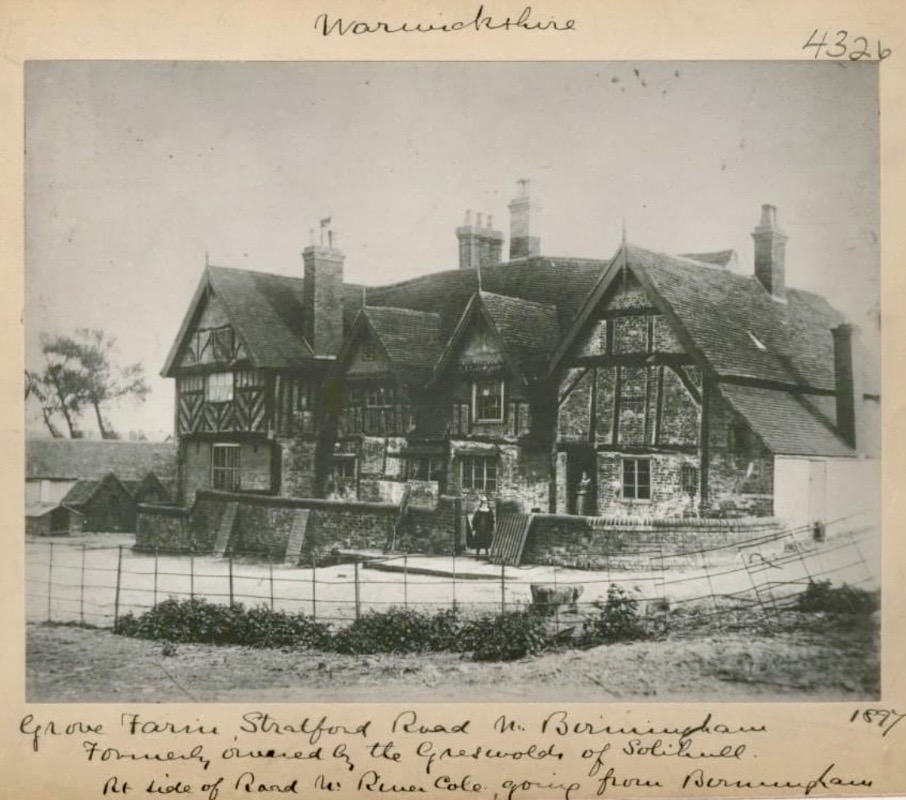
Fulford Hall or ‘Foul Ford’ Hall, was a large 4 bay timber framed building dating back to the 13th Century. A parlour wing was added around 1600 and a service wing a half century later.
“In the 13th Century, close to Foul Ford, just off Stratford Rd and between Grove and Greswolde Rd, was Fulford Hall, later renamed Grove Farm. The site is still marked by some tall trees”.
Fulford Hall was acquired by Maxstoke Priory along with Greethurst, Swanshurst and Sarehole. At the time of Henry VIII’s dissolution of the monasteries (1536-1540), the religious houses were dispossessed of their estates and all the great Halls, including Fulford passed to Crown property and was bought by the Greswoldes. The Greswoldes were Lords of Greet Manor and lay rectors of Yardley. They continued ownership of the Hall until 1896 when a Greswold heir sold the land for building to the Freehold land society, one of the earliest building societies. Reference; lerwill-life.org.uk
The Greswoldes were also owners of land in Rowington prior to its ownership by Fulford’s as described later.
“Ancient Buildings- of many early houses even the site is lost, notably Greetville- though there may have been a name change as at Fulford, and in fact the site continued in use. We cannot in most cases claim that the buildings which survived into recent times were older than Tudor, but the dwelling sites were much earlier. Swanhurst was a C15th hall, so was Fulford, and probably Ashleigh Grange, Bulley and Sarehole Halls. Swanshurst was added to C16th and 18th, Fulford (Grove) in 1651.”
FORSHAW, SOLIHULL (Sth West Birmingham)
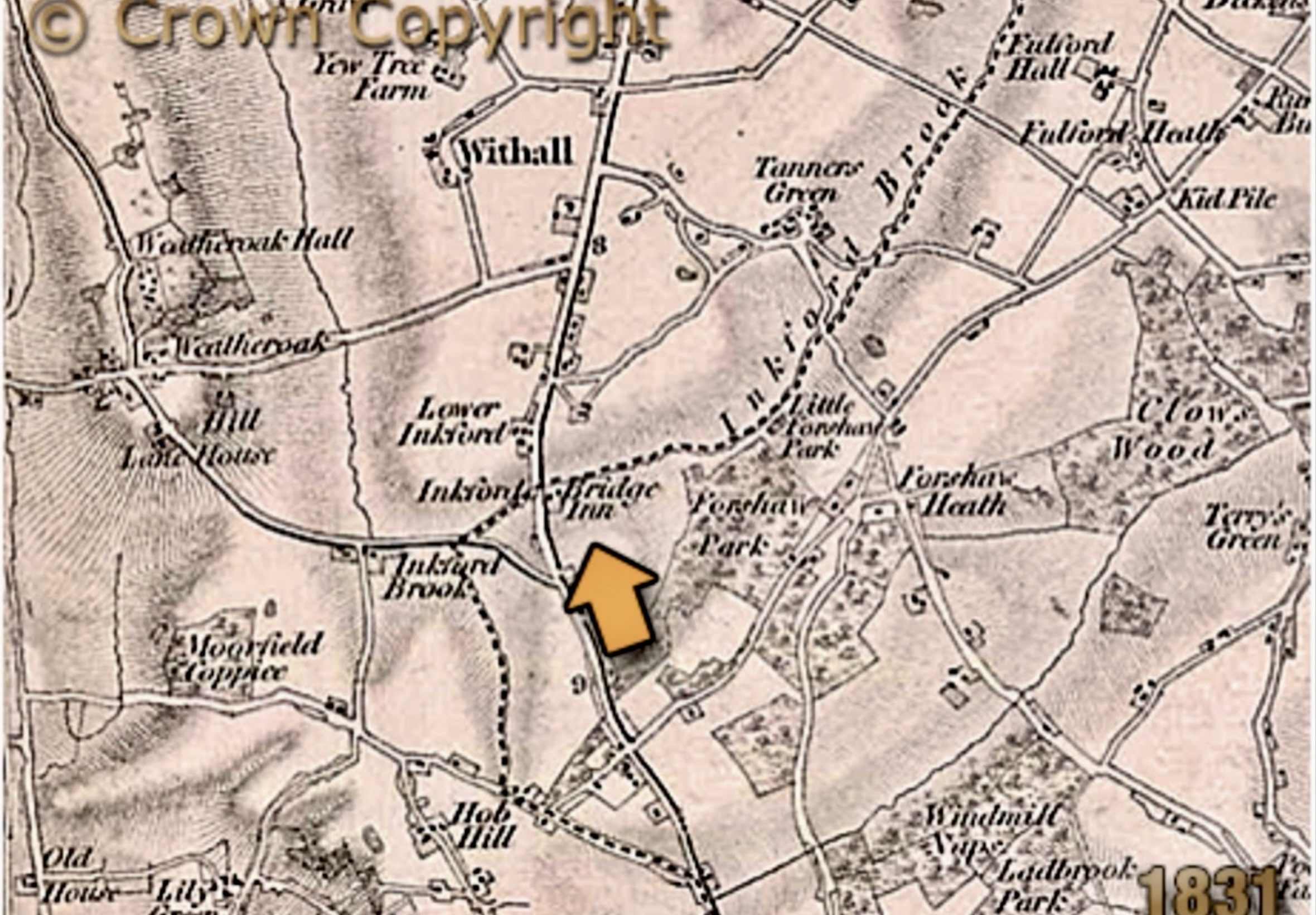
“The Fulford’s took their name from Fole Ford at Greet and in 1290 they were established at Forshaw in Solihull”. (Historian, ‘OC’ Birmingham History Forum).
According to Professor Carl Chinn, the relatives of Richard ‘Fullard’, (Fulford), who drowned at Greet, established themselves at Forshaw, Solihull, their presence influencing the naming of ‘Fulford Heath’ and road names such as Fulford Hall, ‘Fulford Hall Rd’, ‘Little Fulford Farm” and even Fulford Heath Golf Club !
JOHN FULFORD (c. 1410-) AND WIFE MARGARET (c.1420-)
In 1440 unfortunate events befell Margaret Fulford (c.1420-), the wife of John Fulford (c.1410-), when John Smalbrook, from a well known Yardley family,
‘broken at Solyhull the close of John Fulford of Solyhull and ravished Margaret, his wife, and taken her and 10s. of silver coin with other goods of the said John…. For this heinous crime Smallbrook was indicted and outlawed’.
Professor Carl Chinn’s book, ‘The Streets of Brum’, 2003.
Smallbrook achieved clemency by signing up to the army.
‘BRIDGE INN’ RENAMED
THE HORSE AND JOCKEY, INKFORD BROOK, TANWORTH IN ARDEN, A HOLT BREWERY PUBLIC HOUSE
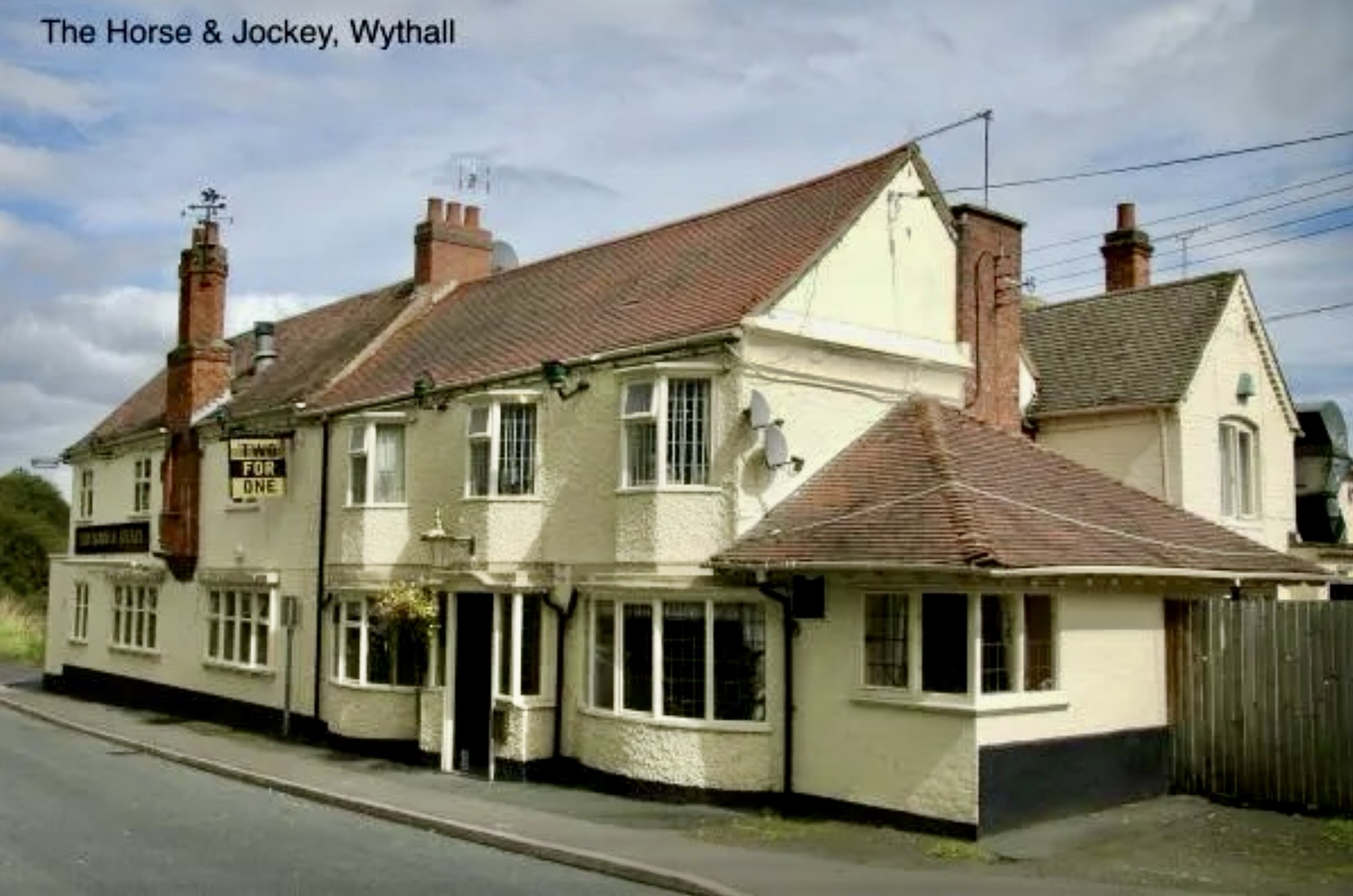
The Bridge Inn was renamed the Horse and Jockey and;
“During the inter-war and postwar years the Horse and Jockey Inn was operated by the Holt Brewery company”.
Reference: Midlandspubs.co.uk
The Holt brewery company was the largest branch of the Fulford brewing legacy with extensive details featured later.
LITTLE FULFORD FARM
“Auctions took place at the Horse and Jockey for crops grown at nearby small holdings such as Little Fulford Farm”. Midlandspubs.co.uk
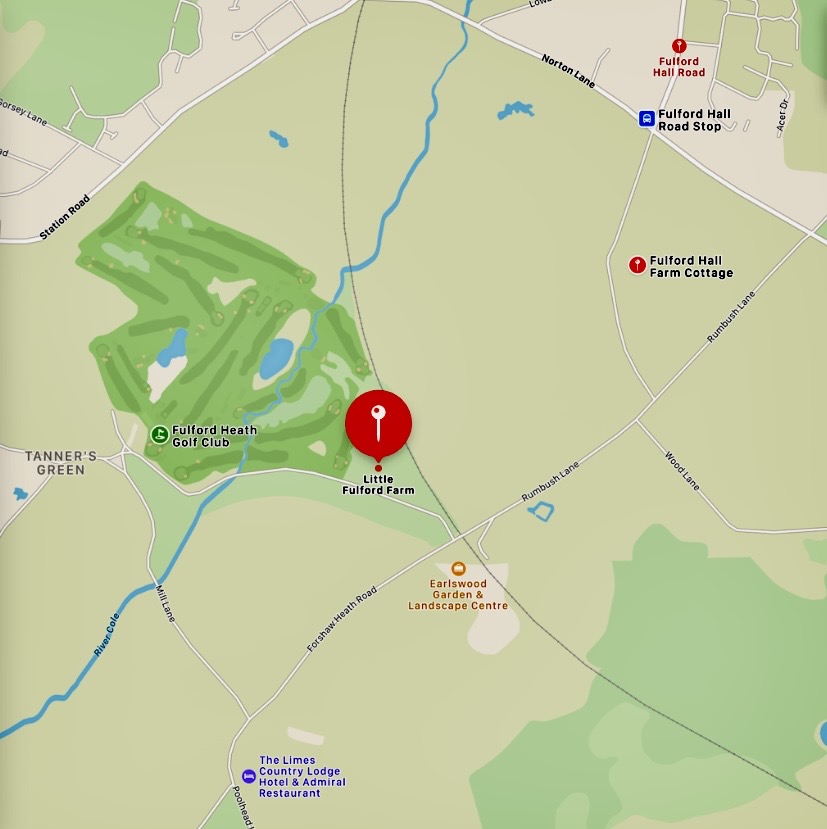
FULFORD HALL, FORSHAW HEATH
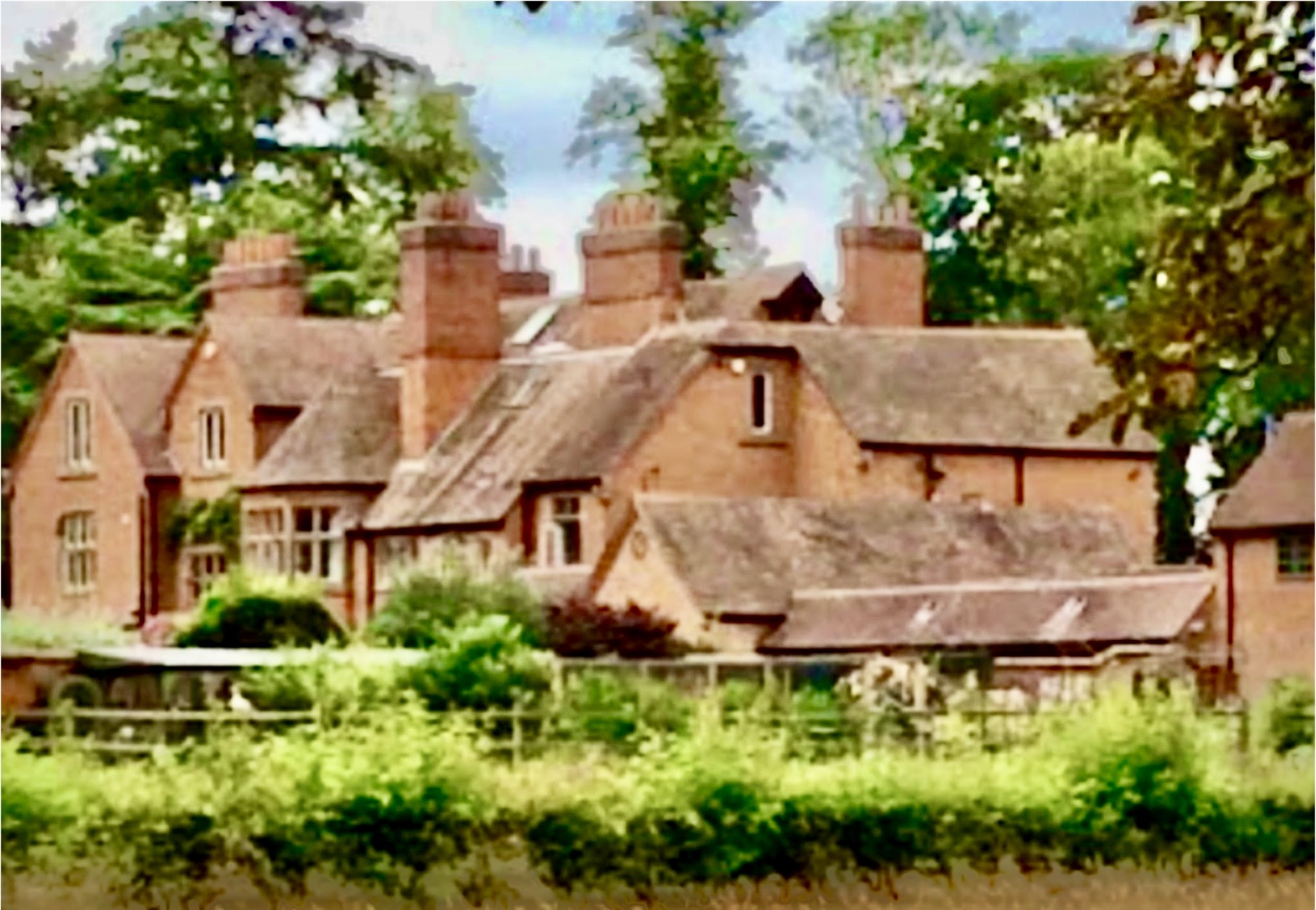
Photograph: Jane Fulford 2018
Fulford Hall (1887-90) in Tidbury Green, Solihull is off Fulford Hall Rd and next to Fulford Heath which encompasses Fulford Heath Golf Club. An impressive grandiose building, its name suggestive of a direct connection to the Fulford lineage. However, despite grade ll listed status, it is a relative youngster compared to Fulford Hall (Grove Farm) which dates back to the 13th Century. This Fulford Hall is a relatively modern addition, with the building named by association with Fulford’s early roots in the area rather than a specific link to individuals.
FULFORD HEATH GOLF CLUB
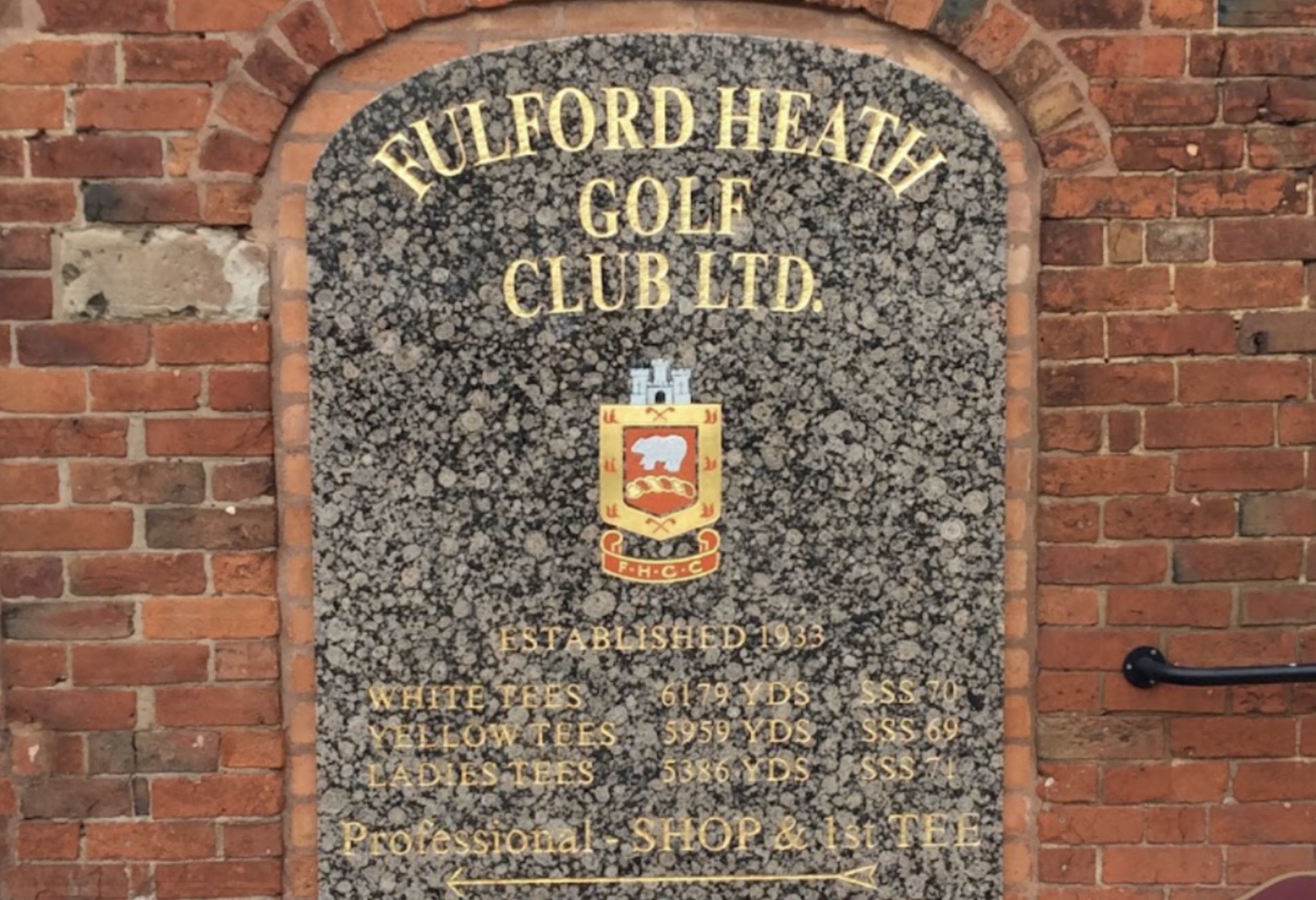
Seemingly unrelated to specific Fulford families, the use of Fulford road names, Fulford Hall, Fulford Heath and Fulford Heath Golf Club give credibility to earlier widespread Fulford presence.
EMERGING THEMES/ FULFORD LINKS TO ROYALTY AND THE ‘ROYAL’ DEVONSHIRE FULFORDS
The ‘Fulford’ Family DNA project states that Fulford’s were;
‘First found in Devonshire where they settled before ancient times, some say before the Norman Conquest’ (1066).
The project continues with statements extracted from,
‘Burkes Landed Gentry, the Kingdom in Scotland 18th edition, Volume 3, ‘The Origins of the English Landed Gentry’. and states;
‘Of the families descended from the mediaeval gentry, nine have the proud distinction of being descended in the male line from an ancestor who took his surname from lands which they still hold…. FULFORD of Fulford’ (From the Fulford Saga).
Many family researchers have tried to establish the Fulfords in the Midlands to Royal Devonshire, ‘Landed Gentry’. The research is confusing and flawed but cites roots in Wiltshire (16C) and then returns even earlier to ‘Lords and Ladies’ in Devonshire. Despite the old adage, ‘There’s no smoke without fire’, very little evidence of such links exist, with one researcher openly confessing to ‘flights of fantasy’ and substantial faux pas.
Other links to Devonshire royals, hinge flimsily on William Fulford (1704-) ‘of Tanworth in Arden’, who was baptised 24th November 1704, the son of Thomas Fulford (c.1674) and Mary (c.1684). William (1704) married Elizabeth Blount ‘Blunt’ (1715-) on 30th December 1735. Elizabeth (1715-) is thought to be of royal descent. Further DNA testing may be required to determine and substantiate claims.
TANWORTH IN ARDEN
The village of Tanworth in Arden was an important place of origin for many early Fulford families. More recently and up until 1988, it was the film location for the fictional town of ‘Kings Oak’, for the well known British Television series ‘Crossroads’.
JOSEPH FULFORD (1776- 22nd December 1805)
Situated within St Mary Magdalene Churchyard, Tanworth in Arden is the grave of Joseph Fulford (1776-1805) who was baptised on July 7th 1776 in nearby Packwood and died prematurely at just 28 years of age.
“Joseph son of Will’m & Sarah Fulford of Tanworth July 7th”
Joseph’s (1776-1805) father William (1753-), is a likely brother of Joseph (1751-), the patriarch of the Fulford family brewing legacy.
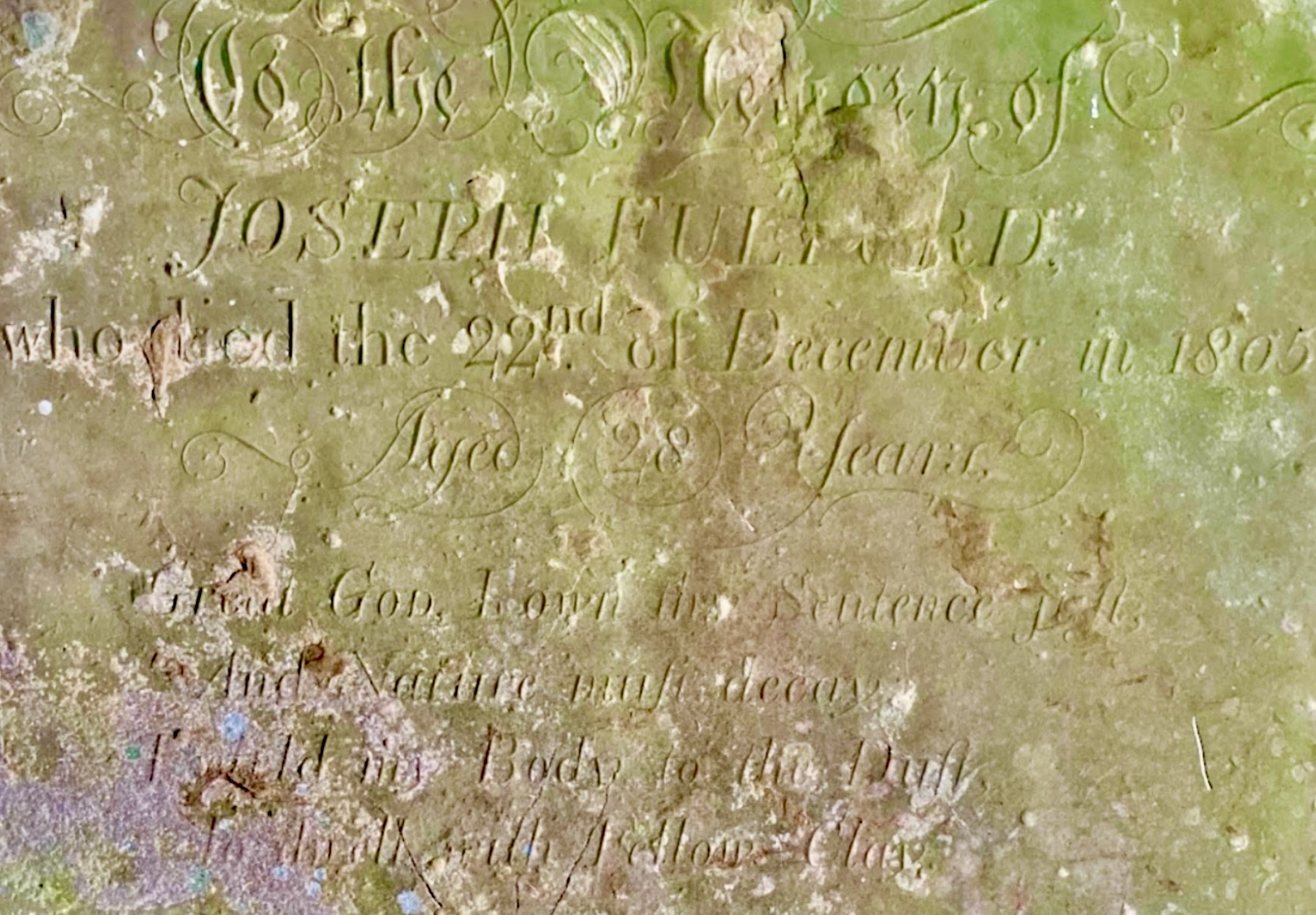
The likely translation,
“To the memory of Joseph Fulford, Who died the 22nd December 1805, Aged 28 years, Great God his sentence fell, And nature will decay, Yield his body to the dust, To dwell with fellow clay”
Joseph (1776-1805) is in the same cemetery as Nick Drake, the renowned folk singer who sadly took his own life in 1974 aged 26. Nick’s haunting song ‘The River Man’ could be,
“about the passage of time, the Seasons of life, and of loss”. SynthPopAnarchist. Alternatively, about Nick’s,
“suicide contemplation..it’s beautiful. The river man is the boatman that carries one to the afterlife. Mindless_Tradition 71
A film by Bill Jackson. https://NickDrake.lnk.to/RiverManVideo of Nick Drake’s ‘River Man’ on YouTube, taken from the original ‘Five Leaves Left’ album.
“ENOUGH OF THE EARLY HISTORY LETS RETURN TO THE FULFORD BREWING STORY”
‘Truth is stranger than fiction, but it is because Fiction is obliged to stick to possibilities; truth is not’
Alias Samuel Langhorne Clemens (1835-1910)
A journey back in time, on a voyage of discovery, with a feeling of time travel. It would be hard to imagine a Fulford story with such complexity, surprise, intrigue and seemingly endless twists and turns. An unending journey of perpetual mysteries and discovery.
A simple beginning with the story of a small child listening to her grandmother’s tales which over 50 years later were almost forgotten, buried and abandoned.
A family story that no one knew or even acknowledged.
Exciting tales of an enormous brewery which generated great wealth. An astounding family fortune which was lost with bizarre and unfathomable reasons for its demise.
Could this unlikely story possibly be true ?
The child now grown old, so many years later and with the story almost forgotten, casually deciding to examine and explore the truth of her grandmother’s ramblings.
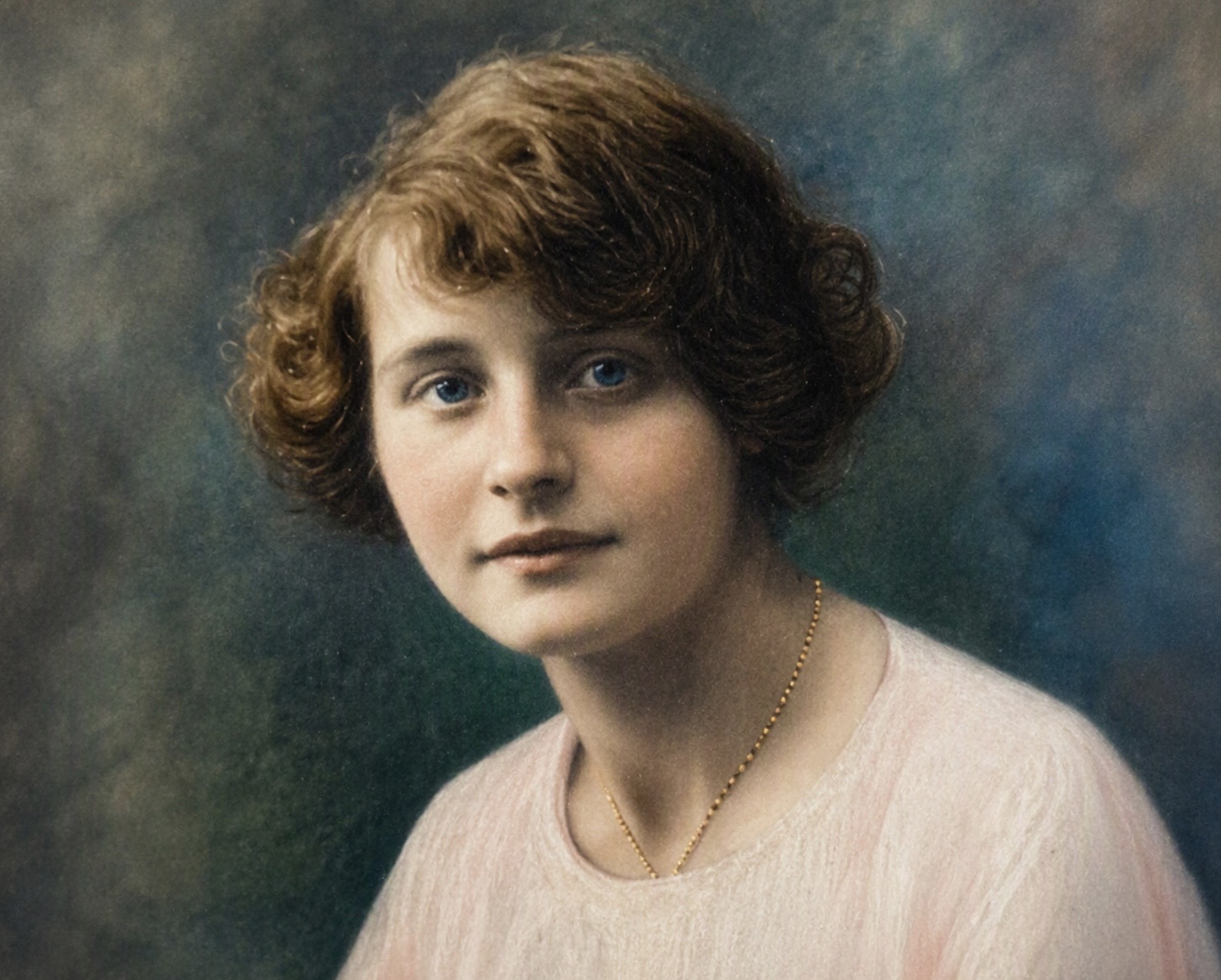
Were there any clues ? The stories, only half believed and vaguely remembered. A box of old photographs and a ‘pride of place’ portrait of a beautiful woman within the Fulford family home. This was ‘The Lady in the Picture’ but no one knew her name, whence she came or who she married.
THE EMPRESS BREWERY
Fulford Family motto ‘Bear Up’ .. could well be ‘ Beer Up’!
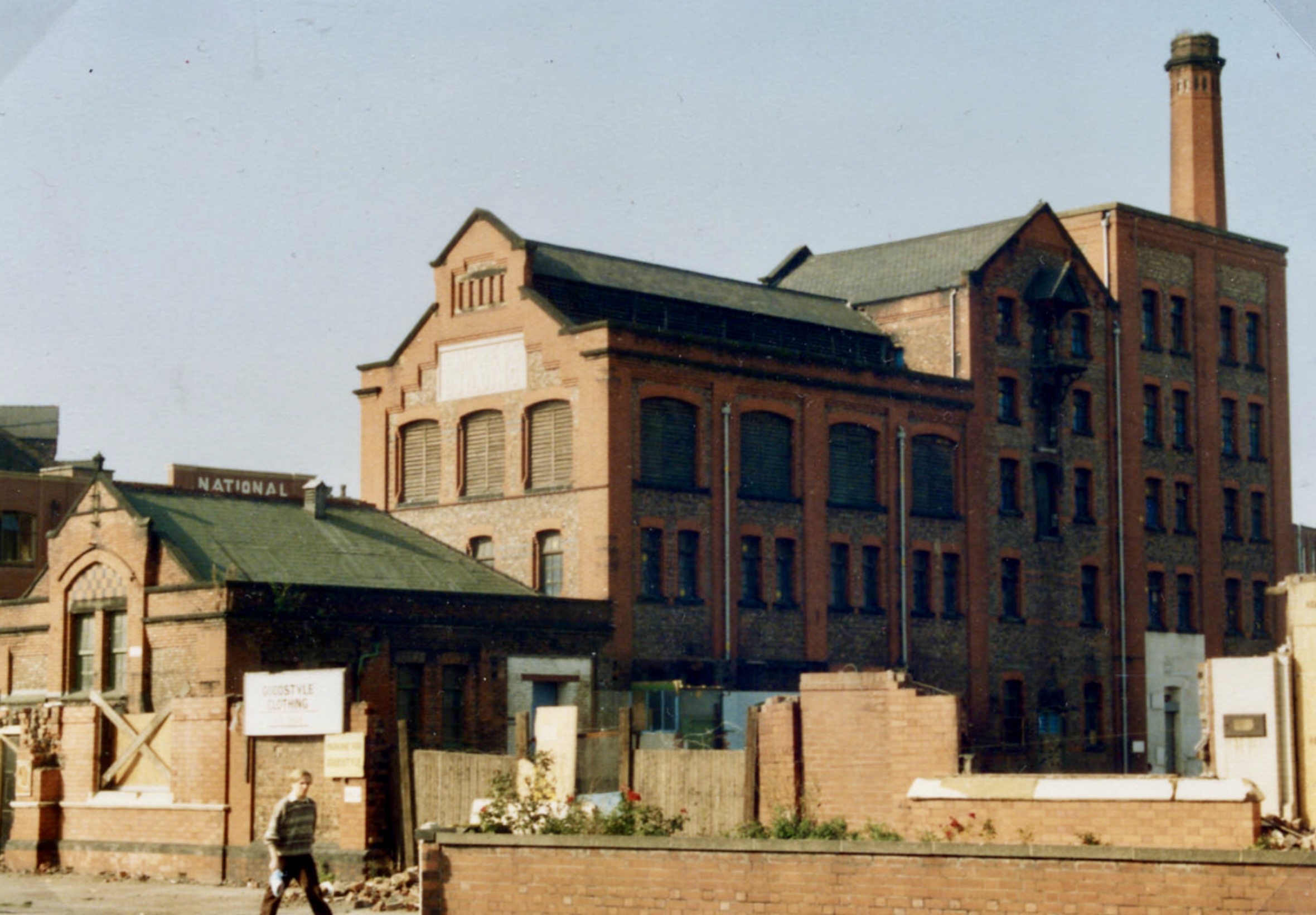
Empress Brewery Co Ltd (c.1884-1955) formerly Old Trafford Brewery Company. Ancestrylibrary.com.au
Janet Fulford (1900-1989) grandmother’s tales related to The Empress Brewery at 382 Chester Rd, Manchester, United Kingdom. The brewery was owned and operated by Great Uncle, William Henry Fulford (1844-1909) ‘Gentleman’, Brewer.
WILLIAM HENRY FULFORD, GREAT UNCLE (1844-1909)
‘GENTLEMAN’ , BREWER
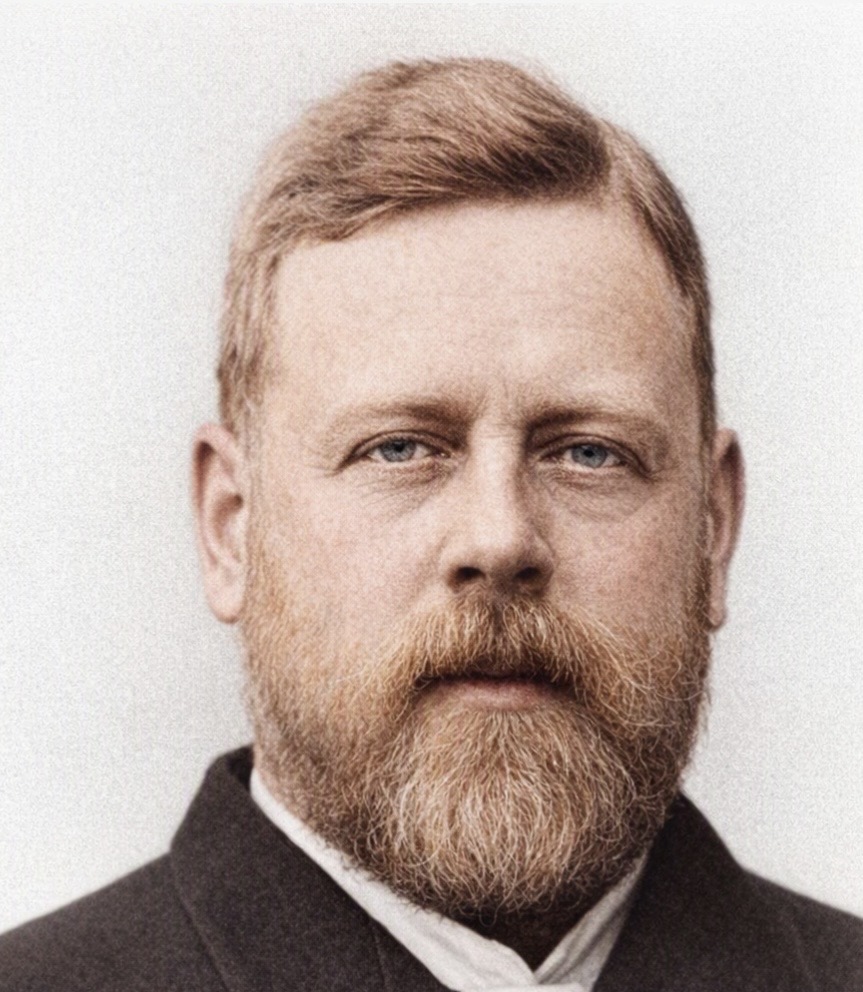
William’s (1844-1909) brewing acumen is recorded in Grace’s Guide to British Industrial History and many other historical documents. Despite a series of bankruptcies and restructuring, the breweries accumulated great wealth. On his death on 13th January 1909, William left just over £30,000, the equivalent of over £3 million British pounds today. Listed as beneficiaries, alongside wife Mary, were sons Joseph (1870-1915) and John (1875-1933). The Empress Brewery business and public houses were taken over by Walker and Cain Ltd in 1929.
THE EMPRESS BREWERY (236 Tied Public Houses)
The Empress brewery was a colossal enterprise which in its heyday had 236 tied Public Houses. The brewery was William Henry Fulford’s (1844-1909), final ‘swan song’ in a chain of successful businesses and breweries which included the Horseshoe and Monarch Brewery. Initially, the Empress was operated by The Old Trafford Brewing Company and later by the Empress Brewery Co Ltd (c.1884-1955).
THE EMPRESS BREWERY SITE MAP
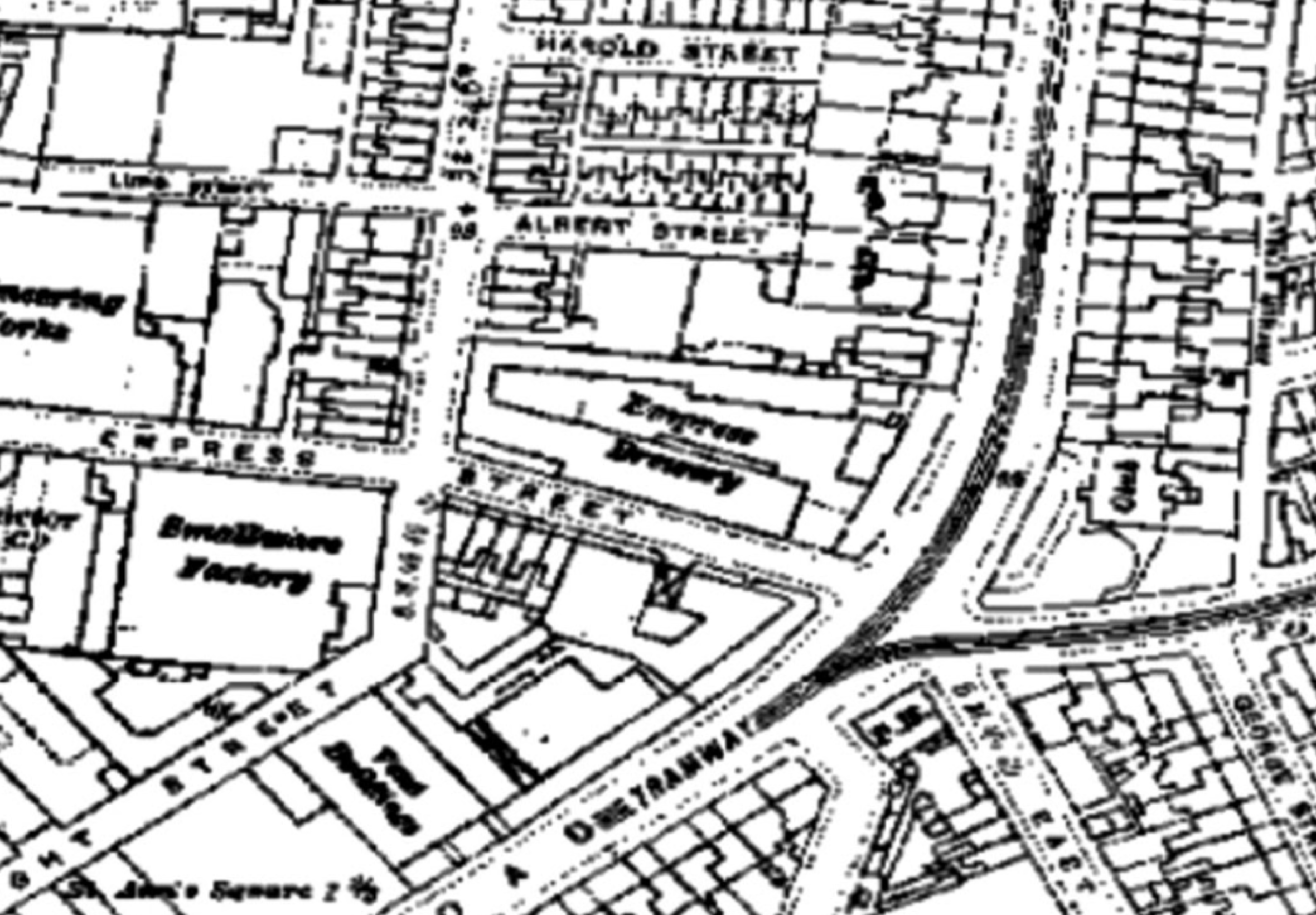
THE EMPRESS BREWERY 382 CHESTER RD AND EMPRESS STREET, MANCHESTER
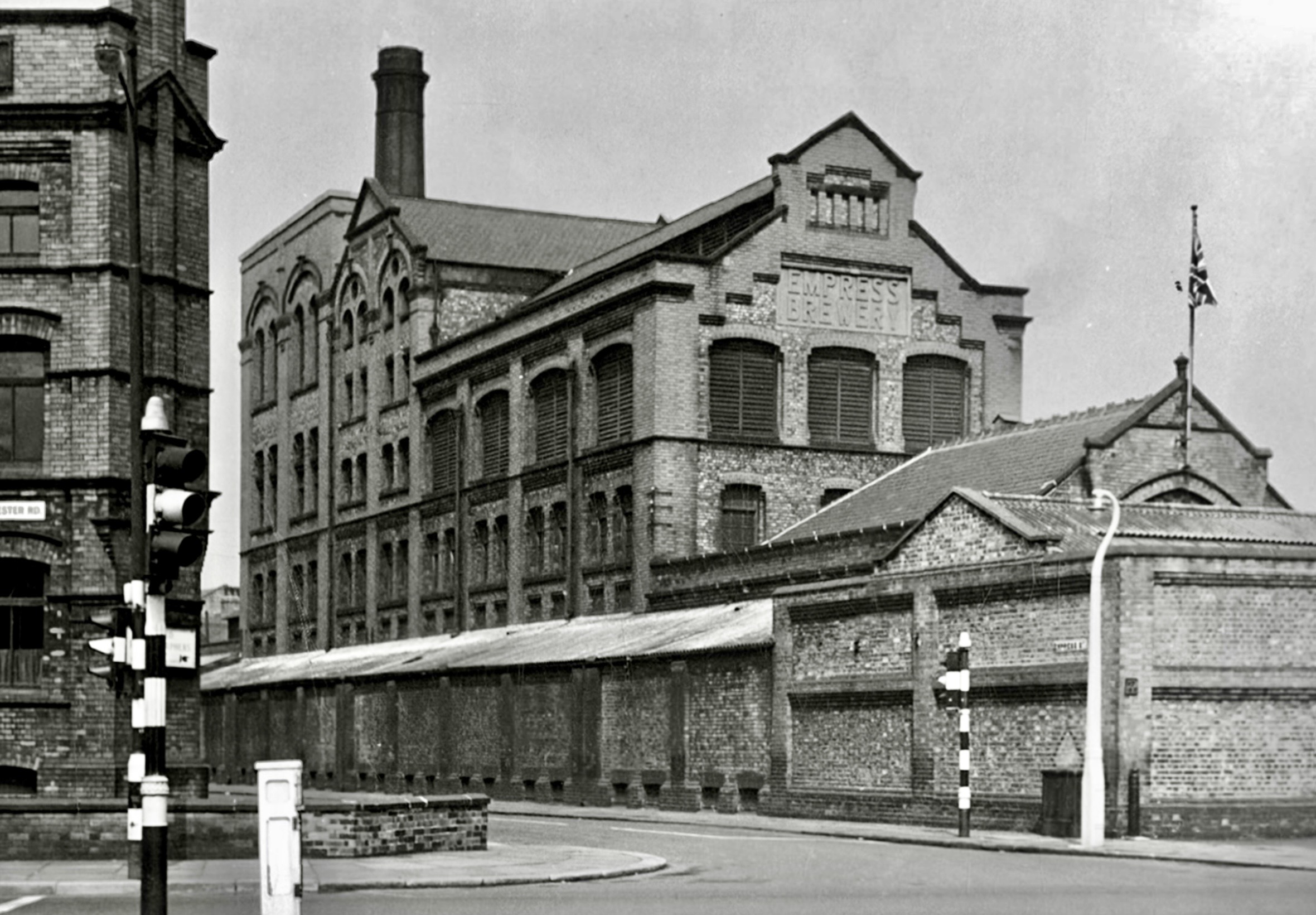
THE EMPRESS BREWERY FAMILY
Behind the scenes contributing to the operation of the Empress beer empire, William Henry Fulford (1844-1909) married twice, producing one son from the first marriage and several other children from his second. The family was large and business was good for many years. The Empress brewing legacy unsurprisingly influenced the lives of fellow family members and frequently their careers were dictated by the brewery. Family members have several impressive gravestones located in Stretford cemetery, Manchester.
NOTABLE CHILDREN OF WILLIAM HENRY FULFORD (1844-1909)
JOSEPH (1870-1913)
William Henry’s (1844-1909) first born son, Joseph (1870-1915), was a Wine and Spirit Merchant who married and left Manchester to become a Hotel Proprietor at the Empress Breweries tied Burlington Hotel, Mostyn Street, Llandudno, North Wales.
JOHN (1875 -1933)
Second son John (1875 -1933) was listed as a brewer on his marriage certificate to Lucy nee ‘Landless’ and in 1921 he was a ‘Brewers Traveller‘ but ‘out of work’ at the huge Cornbrook Brewery close to the Empress and also on Chester Rd.
WILLIAM HENRY (1877- 1932)
Son William Henry (1877-1932) married Annie nee ‘Kay’ (1866) and their son Harry (b.12/10/1916) married Nancy B.‘Smithies’. Jeremy ‘Smithies’ was the son of Harry and Nancy and was still alive in Guernsey in 2017. Jeremy recounted how his father Harry had emigrated to Australia in 1850 but left behind his reluctant mother Nancy to raise baby Jeremy alone. Later the couple divorced and in 1968, Jeremy changed his name by deed poll from ‘Fulford’ to ‘Smithies’. See the film; ‘The End of the Golden Weather’ movie starring Stephen Fulford. Detailed information in a separate chapter, ‘William Fulford (1844-1909) ‘.
ALFRED EDWARD (1886-1936)
Son Alfred (1886-1936) was a teetotaller, who joined the Regiment of Coldstream Guards who,
“are the oldest continuously serving regular regiment in the British Army, famously marching from Scotland to London in 1660 to restore the monarchy”.
Early in his military service, Alfred acquired an injury and was prescribed a drink of stout each day during his hospitalization for several weeks. Shortly after leaving hospital and still on leave from the army, Alfred visited several bars and became excessively intoxicated which caused acute memory loss coupled with bizarre and violent behaviours. Alfred was found walking on a live railway track, attempted to throw a railway worker under a train and then assaulted the police constable who apprehended him. A lengthy prison sentence was narrowly avoided due to his previous unblemished record, receiving a sentence of 5 months hard labour. A lucky escape when the death penalty for attempted murder was only abolished twenty years earlier in 1861.
NOTABLE SISTERS OF WILLIAM HENRY FULFORD (1844-1909);
ROSE HANNAH FULFORD (1838-1923)
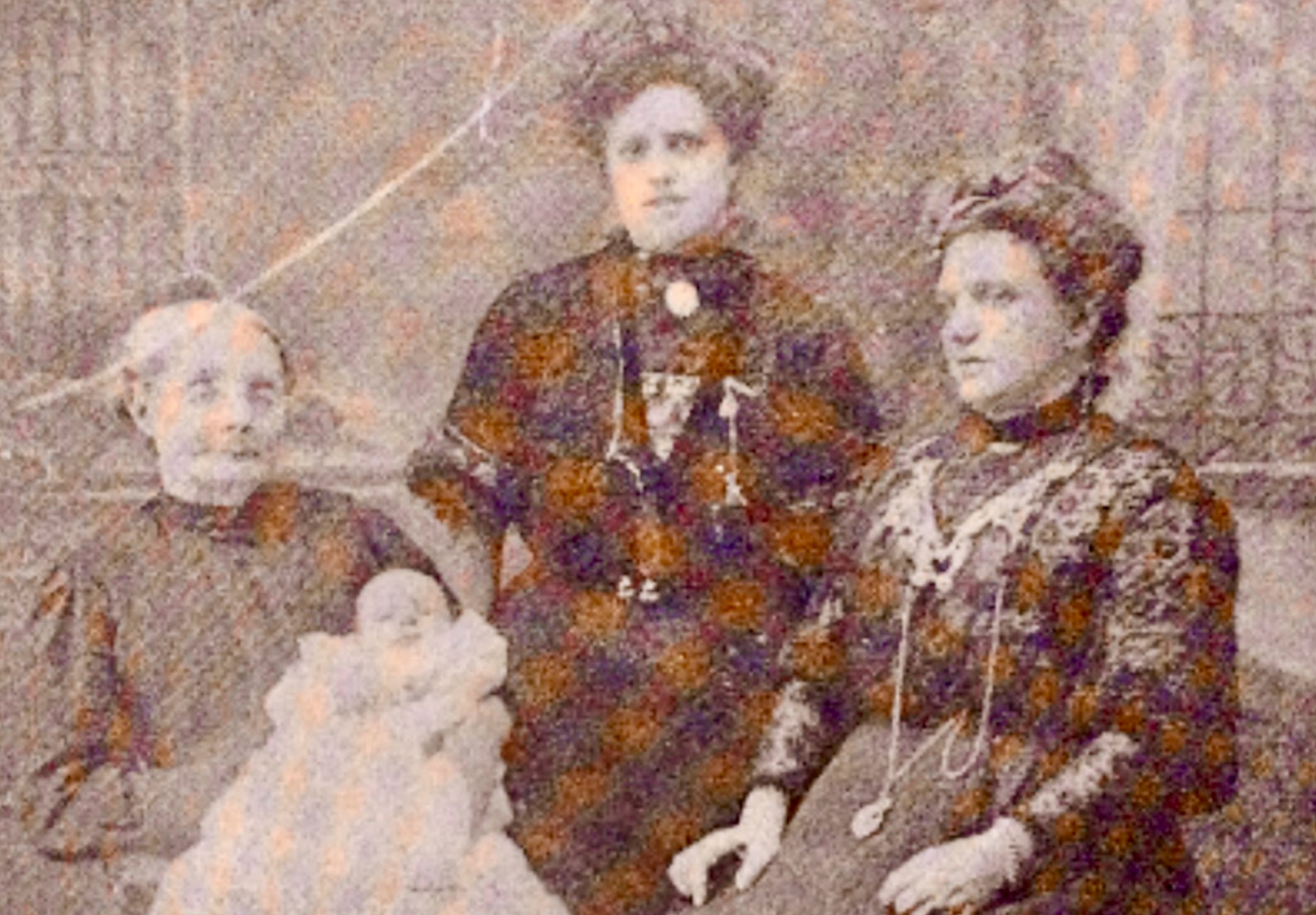
Four generations photograph from left to right; Rose Hannah Bellamy née Fulford (1838-1923), Mary Ann Hunt, Laura Hunt and Mona Hunt.
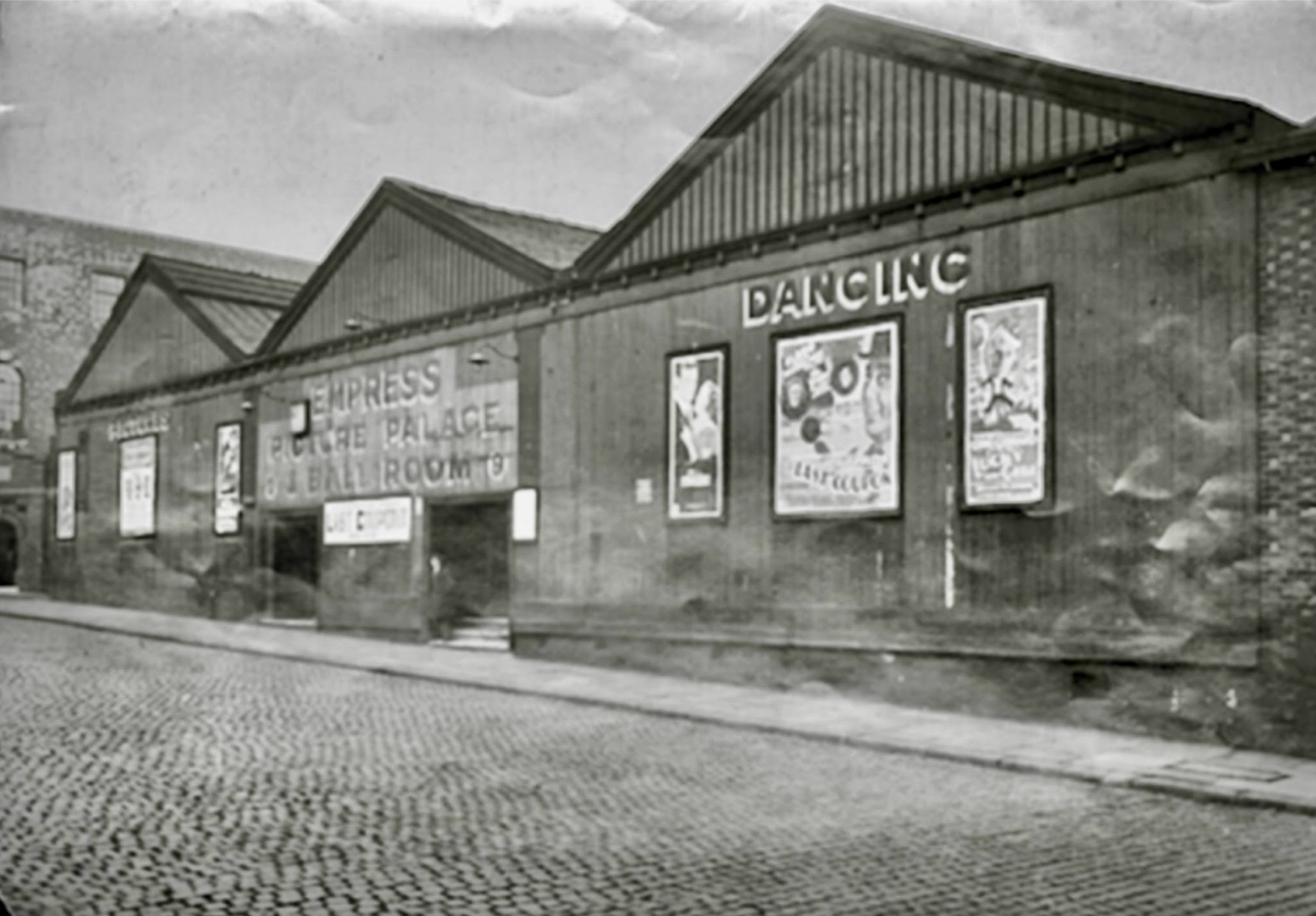
Older sister Rose Hannah (1838-1923) married James Bellamy. Their son created Bellamy’s bakery, ‘Bellamy & Co’, in Salford Manchester which used the old Empress skating rink and ballroom as their premises. Later the building was converted to the Empress Picture Palace in 1911 but was demolished in the early 1960’s.
LUCY ELLEN FULFORD (1843-1878)
A direct descendant of Lucy Ellen (1843-1878), Great Aunt, who by coincidence married a ‘Pulford‘, recounts a spooky tale. A fire engulfed and devastated an entire room but spared the wardrobe housing the Fulford family Bible, which remained remarkably unmarked and untouched. These Fulford family descendants are related by marriage to Samuel Crompton, the famous inventor from Bolton and The Bee Gees !
ELIZABETH ANN FULFORD (1848/9-1888)
‘Tiger Lily’ referred to previously, in her entries to the Birmingham History Forum, is Great great granddaughter of Elizabeth Ann Fulford (1848/9-1888) sister of William Henry. Tiger has researched extensively and often refers to Fulford’s owning and operating many public houses.
EMPRESS BREWERY PUBLIC HOUSES
Old saying: “A church for every week of the year and a pub for every day”.
Each of Empress Brewery’s Public Houses are unique and have a lost story to tell.
Empress pubs varied from grand architectural buildings with huge floor plans to smaller cozy nooks with private ‘snugs’.
Together with fascinating pub names, signs, and signatures, the pubs displayed trademark designs with tile colors of maroon and green.
In a time in history when it was considered ‘unacceptable’ for women to drink alcohol or frequent public houses, the pub snug provided a clandestine opportunity to indulge in ‘secret women’s business’ or simply just enjoy a beer or two !
Pub histories are often steeped with tradition, remarkable associations, interesting family lives and sometimes violent deaths, betrayals and superstitions. The Empress pubs were no exception.
The 236 tied Manchester Empress pubs and their stories are listed under ‘Empress Public Houses’. The Lincoln Inn, Preston street, featured below, is notable for a further remarkable link to the Fulford brewing dynasty.
THE LINCOLN INN, PRESTON STREET
The Lincoln Inn opened in 1867 and closed over a 100 years later in 1969.
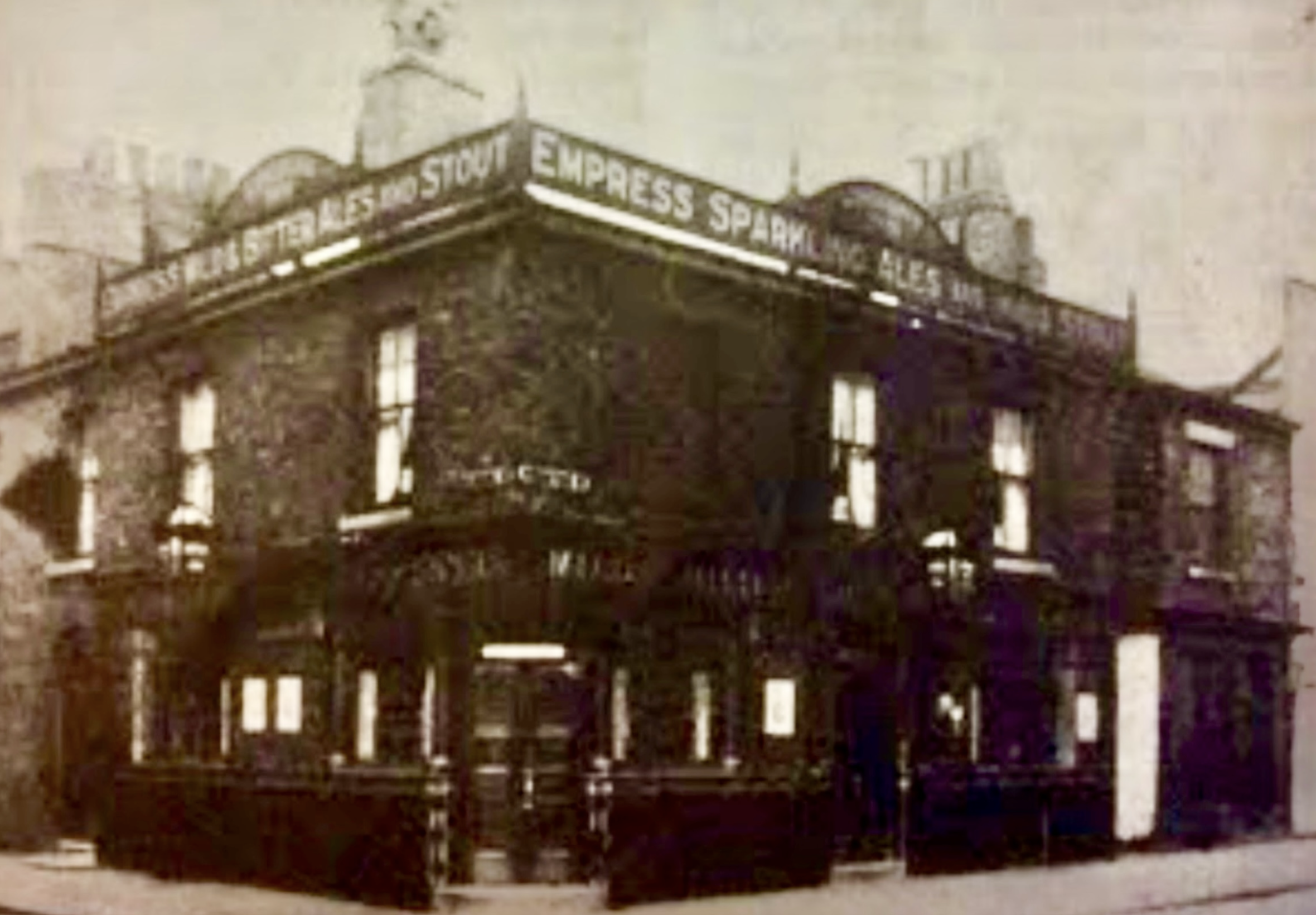
Old Pubs of Hulme and Manchester Bob Potts (1770-1930)
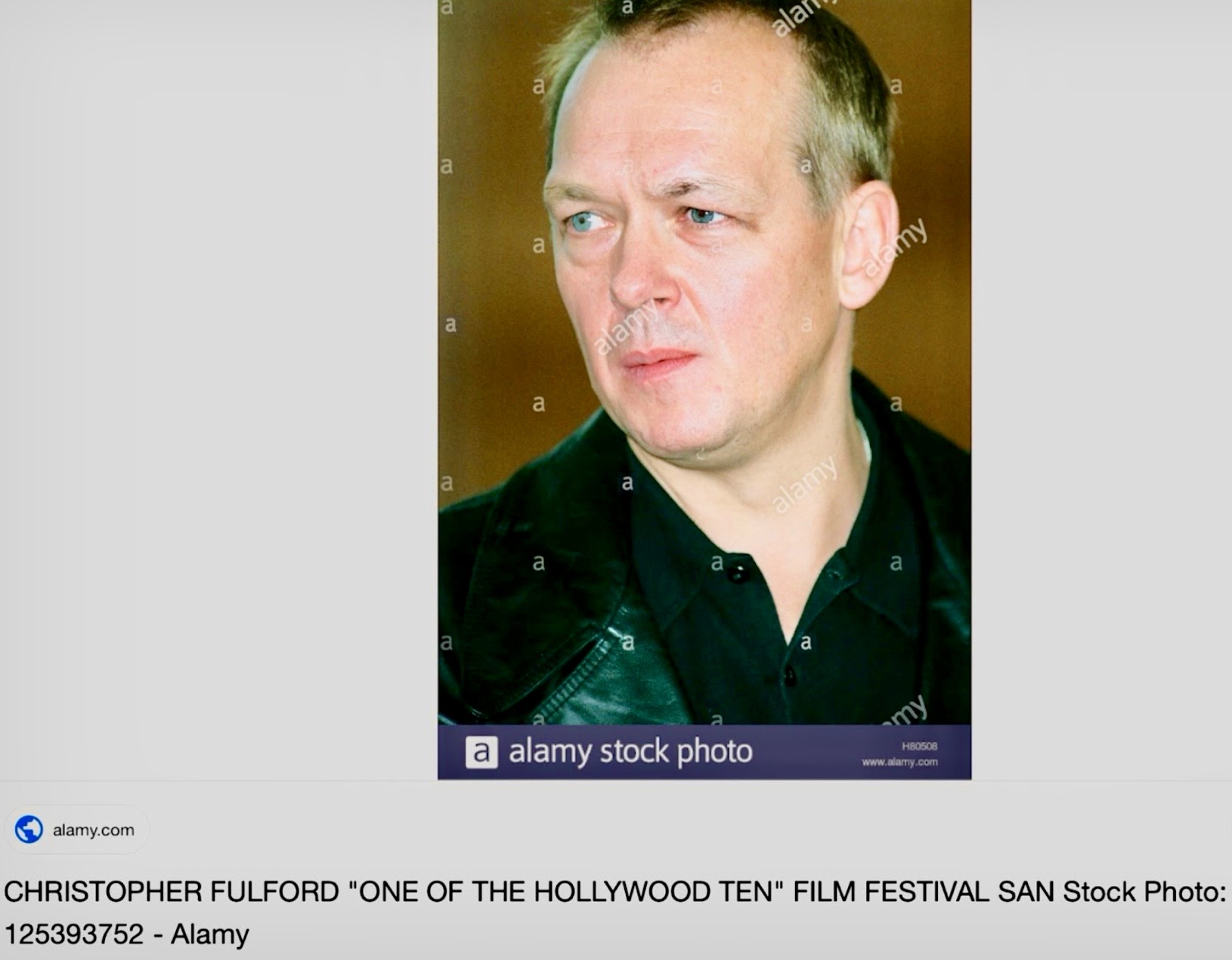
CHRISTOPHER FULFORD (1955-)
Remarkably, ‘The Whisperers’ directed by Bryan Forbes and starring Dame Edith Evans, who received the Oscar, was filmed almost entirely within the Holt owned Lincoln Public House, Preston street.
Later, Bryan Forbes also directed Peter O’Toole and Christopher Fulford (actor and direct Fulford Brewers descendant) in one of the most famous theatrical portrayals of Shakespeare’s Macbeth by the Old Vic Theatre Company in London 1980.
Christopher was in his first professional theatrical role on leaving Central School of Speech and Drama and played Donalbain alongside Peter O’Toole. Sting was present at the opening night, who at that time was married to Frances Tomelty playiing Lady Macbeth opposite Peter O’Toole. Christopher also starred as Lorenzo in Shakespeare’s Tempest in the same production.
The production of ‘Macbeth’ at the Old Vic, 1st September 1980. Peter O’Toole.
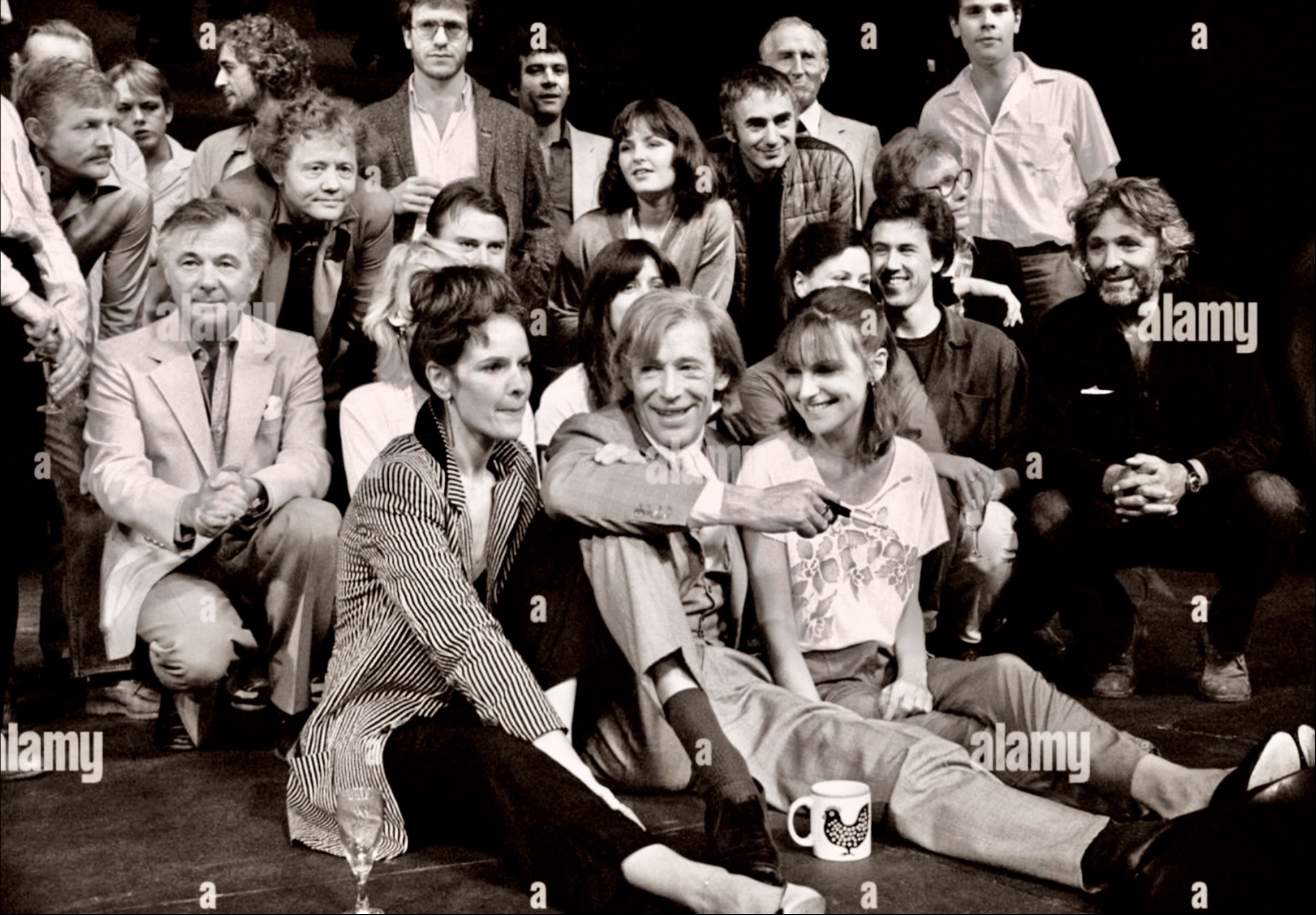
Top left a young Christopher Fulford and bottom middle Peter O’Toole with the rest of the cast of the 1980 production of Macbeth at the Old Vic Theatre courtesy of Alamy
In the article,
“‘How Peter O’Toole was struck by the curse of Macbeth” Https://www.telegraph.co.uk › theater, it was noted,
”This was a cast invitation /non audition production, which saved the Old Vic from financial ruin. It was one of the most famous productions in theatrical history, due to its controversial interpretations of the role of Macbeth by Peter, and the savage reviews which guaranteed its success, with daily queues around the Vic for tickets”.
The critic.co.uk reports on Peter O’Tooles role as Macbeth;
ENTER STAGE RIGHT ….
SAMUEL FULFORD (1851-1920) GREAT GRANDFATHER
YOUNGEST BROTHER OF WILLIAM HENRY FULFORD (1844-1909)
‘THE LION MINERAL WATER WORKS’
“The truth is like a lion; you don’t have to defend it. Let it loose; it will defend itself”
Samuel ‘The Lion’ Fulford Great Grandfather (1851-1920), was the youngest brother of Great Uncle William Henry Fulford, and the last of our direct lineage to uphold the family tradition of brewing. An entrepreneur like his brother, Sam was a ‘Brewers Traveller’ for the Empress Brewery and later owned and operated his own business, ‘The Lion Mineral Water Works’, 34a Plymouth Grove, Manchester.
BUSINESS CARD

Front of Samuel Fulford’s wallet sized business card
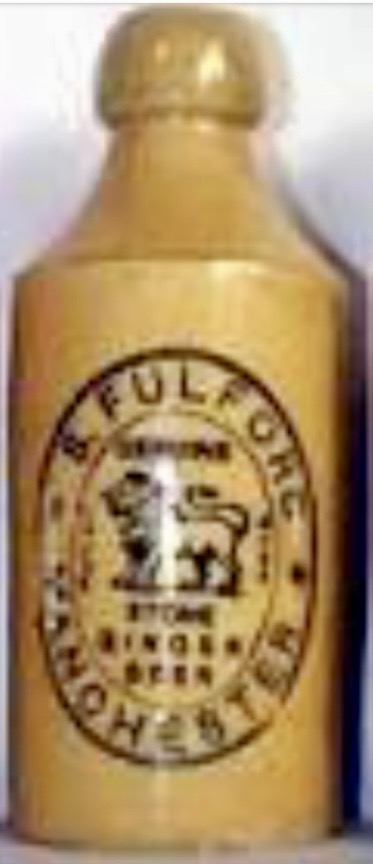
Samuel Fulford (1851-1920) ‘The Lion’ is so called as all the bottles produced at ‘The Lion Mineral Water Works’ featured a unique signage, a Lion, marked ‘S Fulford of 34a Plymouth Grove’. The lions were molded into the glass mineral water bottles and also etched into the ceramic ginger ale flasks.
MINERAL WATER
The Lion Mineral Water Company frequently used a light green marble in a Codd mineral water bottle.
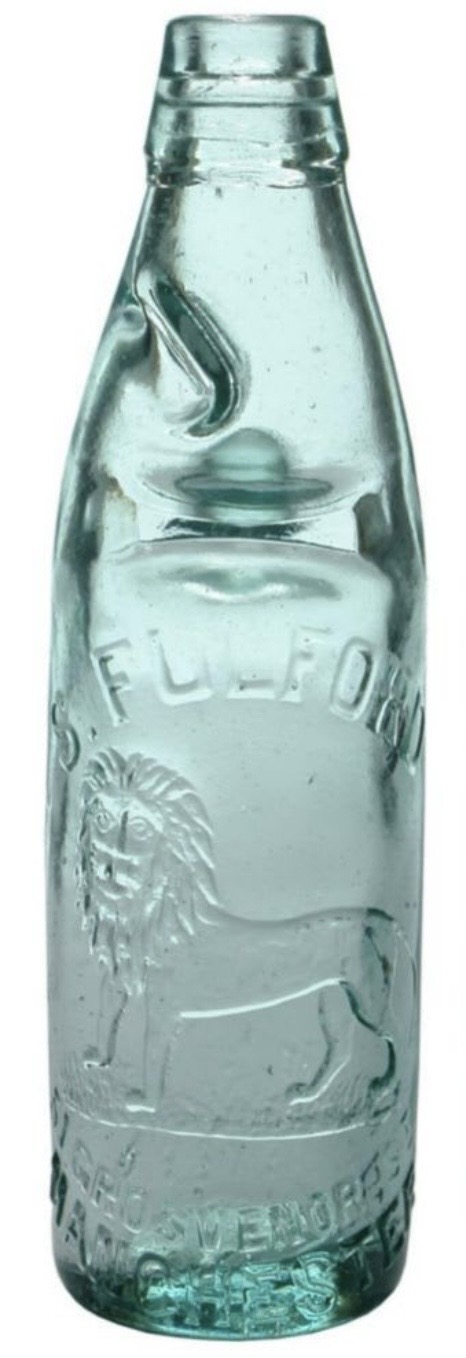
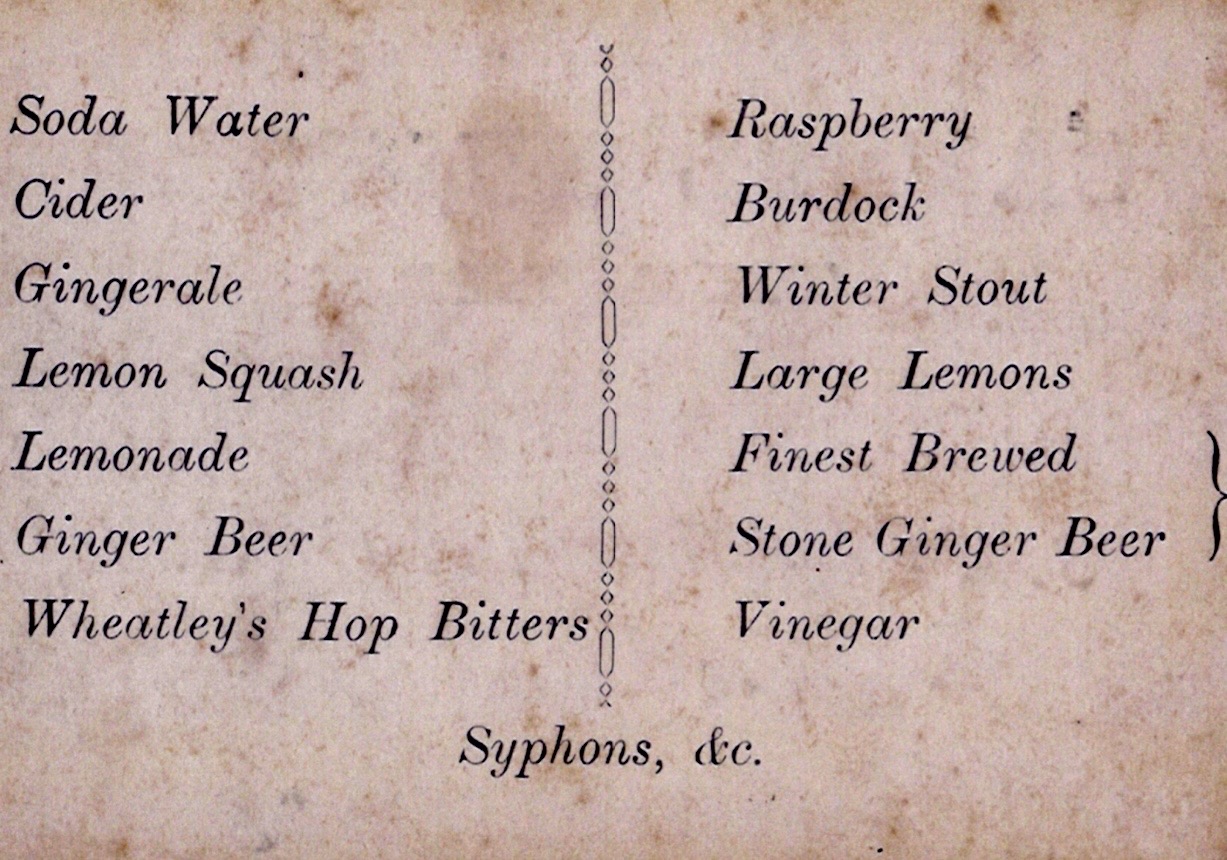
Samuel’s business was predominantly mineral water and non alcoholic soft drinks including soda water, ginger beer, stone ginger beer, burdock, lemonade, raspberry, cider, winter stout, Wheatley’s Hop bitters and even vinegar.
BACK OF BUSINESS CARD
‘GINGERS’
SAMUEL FULFORD’S FAMILY
A TRAGIC TALE
Samuel (1851-1920) Great Grandfather married Elizabeth Hind Chesworth (1860 -1898) on 7/12/1882 and together they had 7 children, including grandfather Sydney (1894-1951).
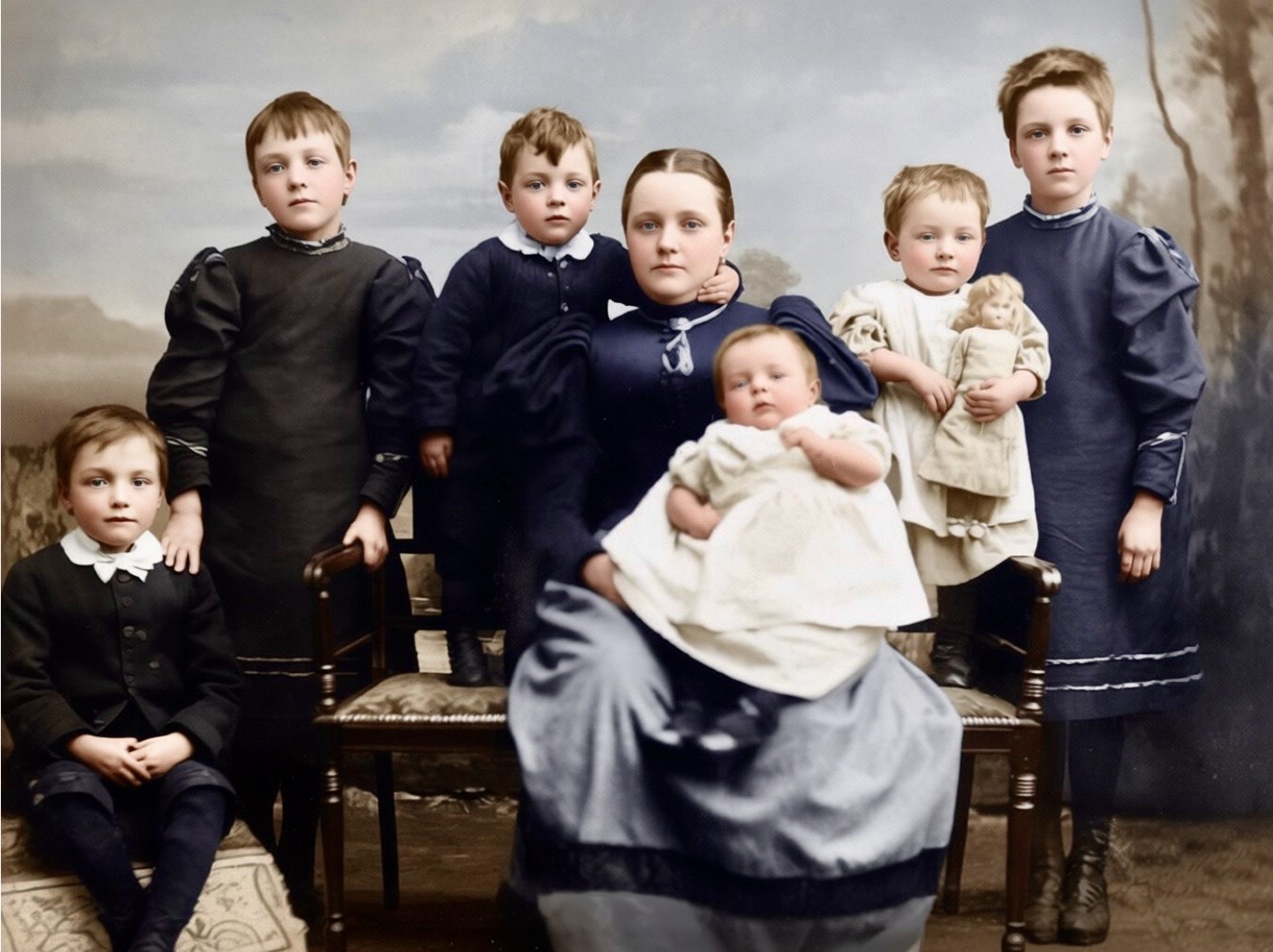
Left to right the children of Samuel and Elizabeth;
Harry (1886), Elizabeth ‘Cis’ (1885), William (1892), Elizabeth nee ‘Hind’ Chesworth (1860-1898), Frederick (1892-1960), Rebecca (1883-).
Sydney (1894-1951) the baby in arms.
Samuel was 31 years old when he married Elizabeth. He was working as a ‘Commercial Traveller’ for the Empress Brewery whilst living at 60 Sherwood St, Rochdale Rd, Manchester.
ELIZABETH FULFORD NEE ‘HIND CHESWORTH’ (1860 -1898)
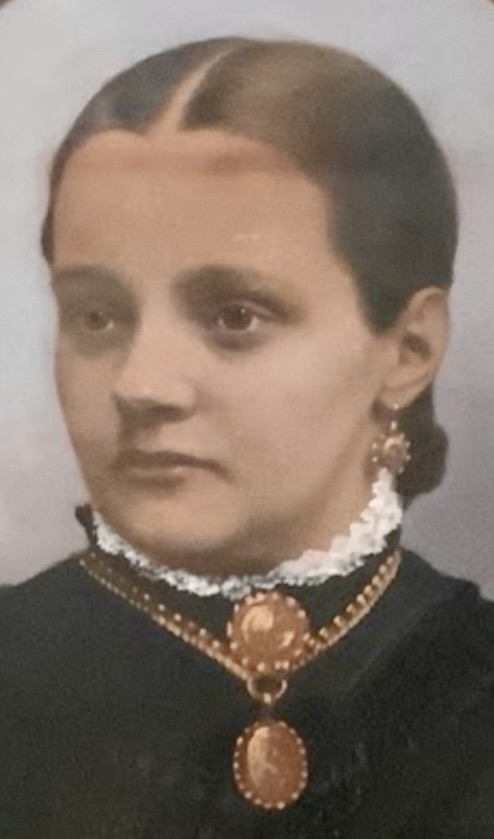
The ‘Lady in the Picture’ and her magnificent portrait eternally capturing her ageless beauty.
For Great Grandfather Samuel, a tale of tragedy and deep heartbreak was ahead, with wife Elizabeth dying, aged only 38 years in June 1898. Her death just 9 months after the birth of their last daughter, Annie (1897-1919) who also died tragically at just 21 years of lobar pneumonia.
ANNIE FULFORD (1897-1919)
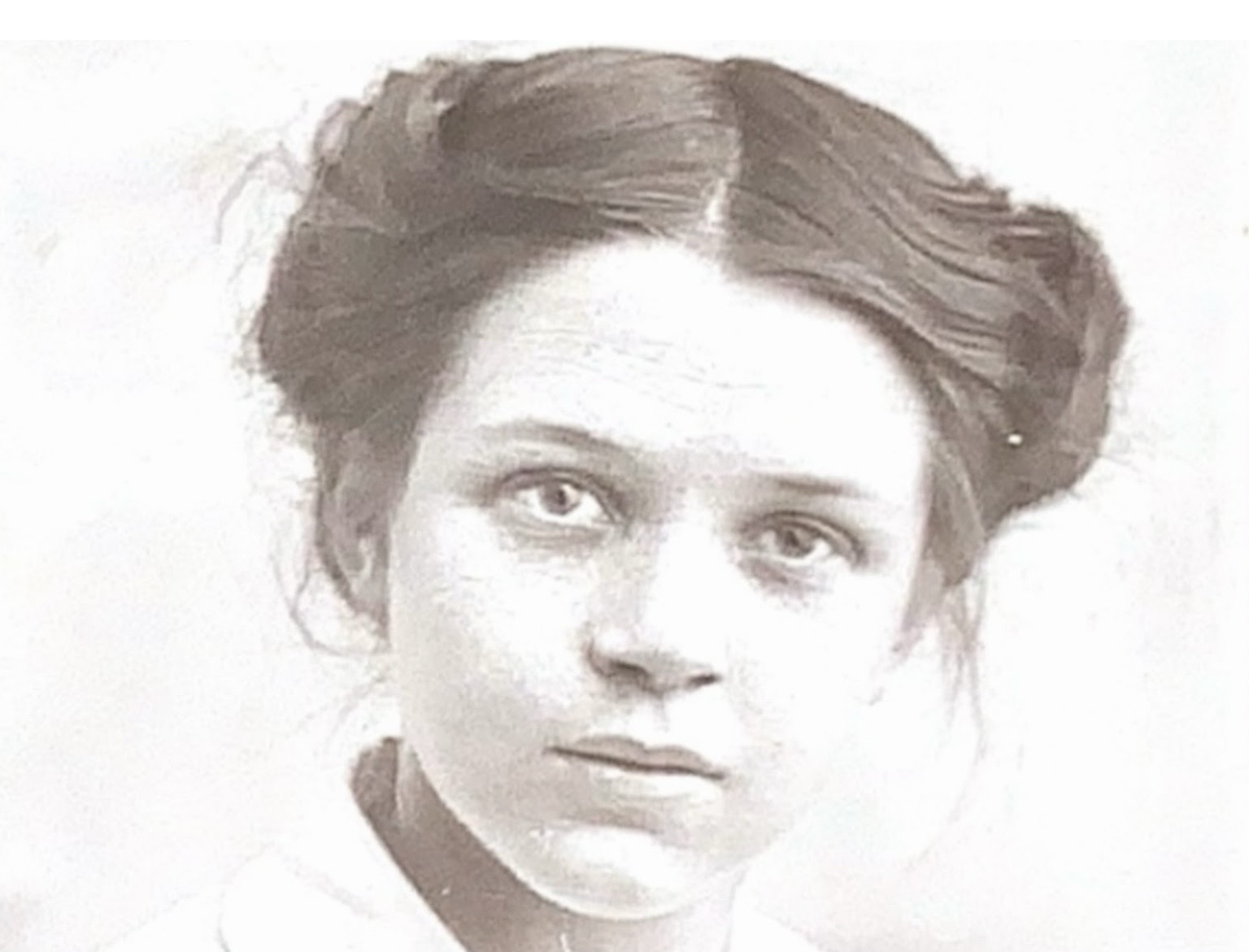
Shortly after Elizabeth’s death in 1898, Sam married another Elizabeth referred to as ‘Lizzie’ (c.1868-) who was about 17 years younger than Sam. They had one son Edward (1902-1903) who died tragically less than one year after his birth, and three more daughters, Millie with her twin Ivy born in 1904 and Eloe born in 1907.
SYDNEY FULFORD (1894-1951) GRANDFATHER
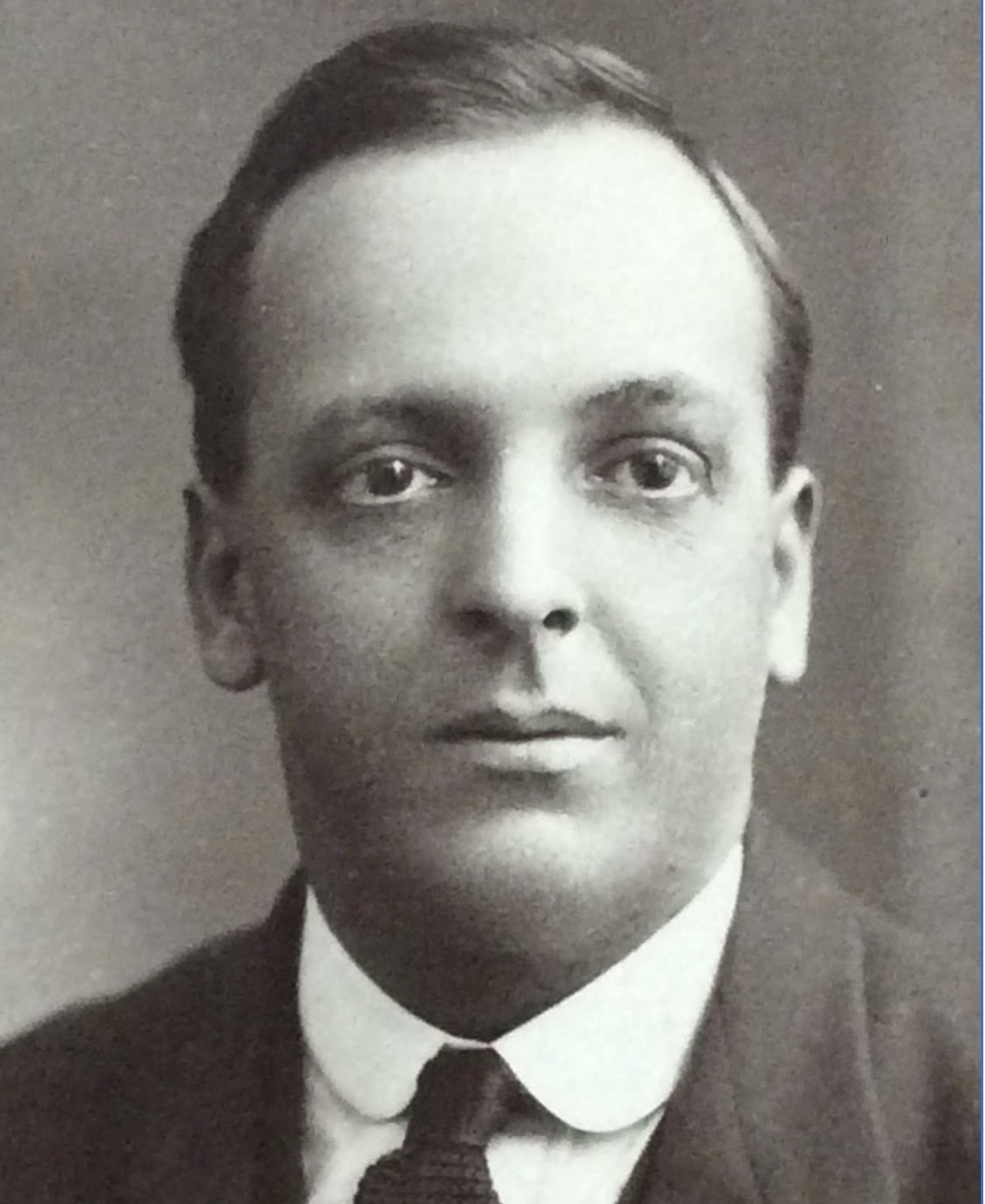
Samuel and Elizabeth’s son Sydney (1894-1951) often ‘Sidney’, married the ‘story telling’ grandmother Janet nee ‘Hodkinson’ (1900-1989) in July 1923. Sadly, continuing the family tragedy and after only 28 years of marriage Janet woke to find her husband dead in bed alongside her from a heart attack, aged only 57.
In happier times, Sydney (1894-1951) and Janet (1900-1989) had two children; Derrick (1929-2022) ‘Dad’ and Malcolm Sydney Fulford (1931-2001). Malcolm further added to the then Fulford family curse by developing an incurable early onset, fast progressing Parkinson’s disease, aged just 28.
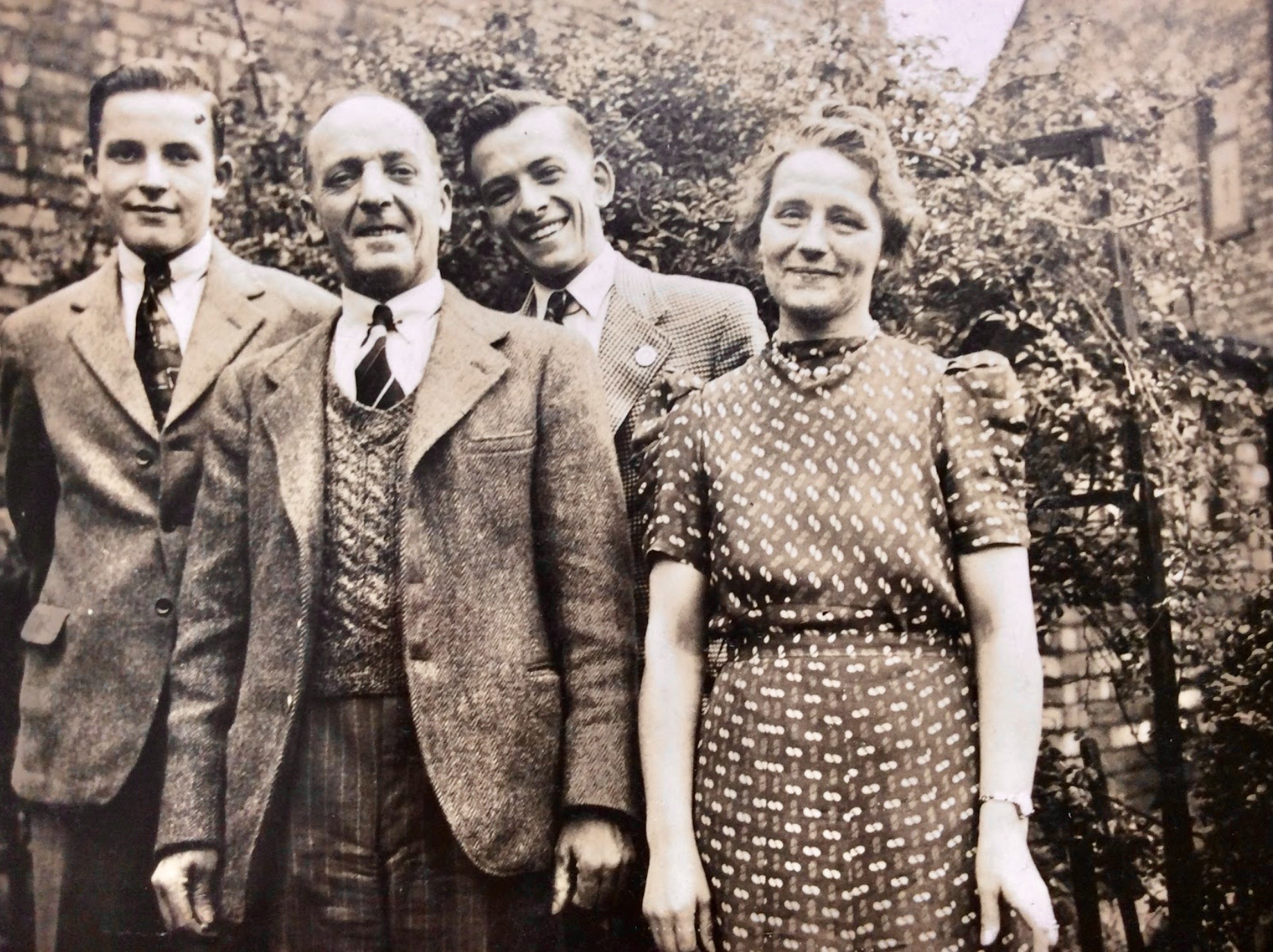
Left to right Malcolm Fulford (1931-2001), Sydney Fulford (1894-1951), Derrick Fulford (1929-2022) and Janet nee ‘Hodkinson’ (1900-1989)
A FURTHER STEP BACK IN TIME AND JUST WHEN YOU THOUGHT THIS WAS THE END OF THE STORY
“The whole is other than the sum of the parts”
Kurt Koffka Gestalt Psychologist
Thoughts that this was the end of the brewing story could not be further from the truth. There is no doubt that William Henry Fulford (1844-1909), and younger brother Samuel (1851-1920) were eminent and influential, both making significant contributions to Midlands brewing history. However, in terms of what was about to be discovered, their stories were part of a much larger and colossal jigsaw puzzle. Their brewing legacy was just the proverbial ‘tip of a beer making iceberg’. Perched on the precipice of what would unfold as a voyage of significant discovery, William and Samuel represented just the last stages of a Fulford Family beer making empire. What came before and what was about to be revealed was the equivalent to raising the Titanic ! A humongous body of knowledge to be rediscovered, salvaged and brought back from the dead.
THE GENERATION BEFORE
JOSEPH FULFORD (1812-1868) GREAT GREAT GRANDFATHER
MALTSTER, BREWER, HOP MERCHANT, PUBLICAN, LISCENCED VICTUALLER
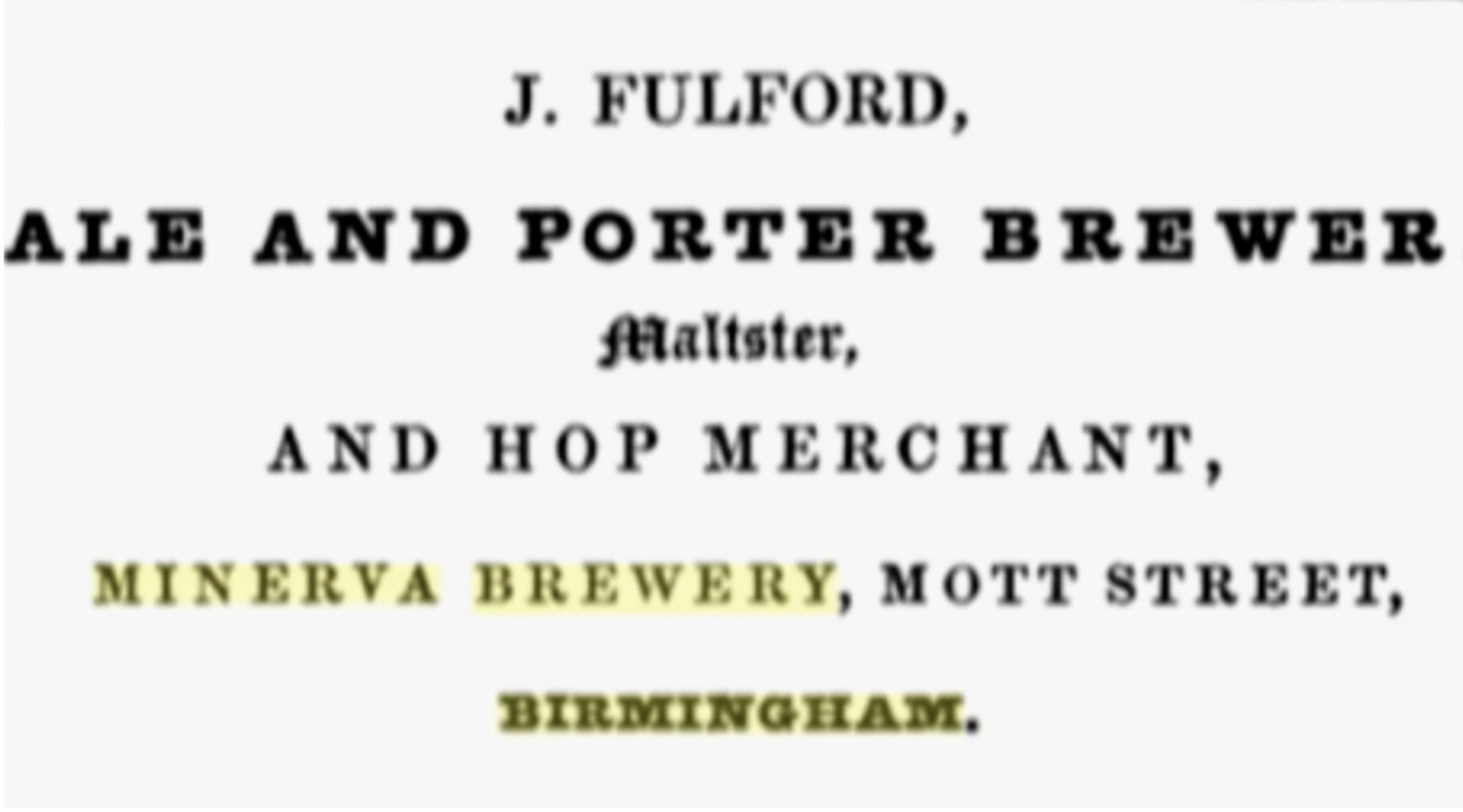
Business advertisements in ‘Osborne’s Guide to the Grand Junction or Birmingham, Liverpool and Manchester’, first published in 1837 by Edward C. Osborne, advertised ‘J. Fulford, Brewer, Maltster and Hop Merchant, brewing Ale and Porter at the Minerva Brewery, Mott Street’.
Taking just one step back to the previous generation, the parents of William Henry, Samuel and their siblings are revealed. Born in Birmingham they were the children of Joseph Fulford (1812-1868) Great Great Grandfather and Mary Ann Juxon (1812 -1872) Great Great Grandmother.
Joseph Fulford (1812-1868) was born in Birmingham. A maltster and brewer at his Minerva Brewery. Also a pub owner and publican at the Minerva Vaults public house situated a short distance on the same road as the brewery, on the corner of Mott st and Great Hampton Row.
MARY ANNE FULFORD NEE ‘JUXON’ (1812 -1872) GREAT GREAT GRANDMOTHER
Joseph’s (1812-1868) marriage to Mary Anne Juxon on 22nd January 1833 at St Martin in the Bull Ring, Birmingham, connects the Fulford family to one of the most sinister and famous incidents in British Royal history.
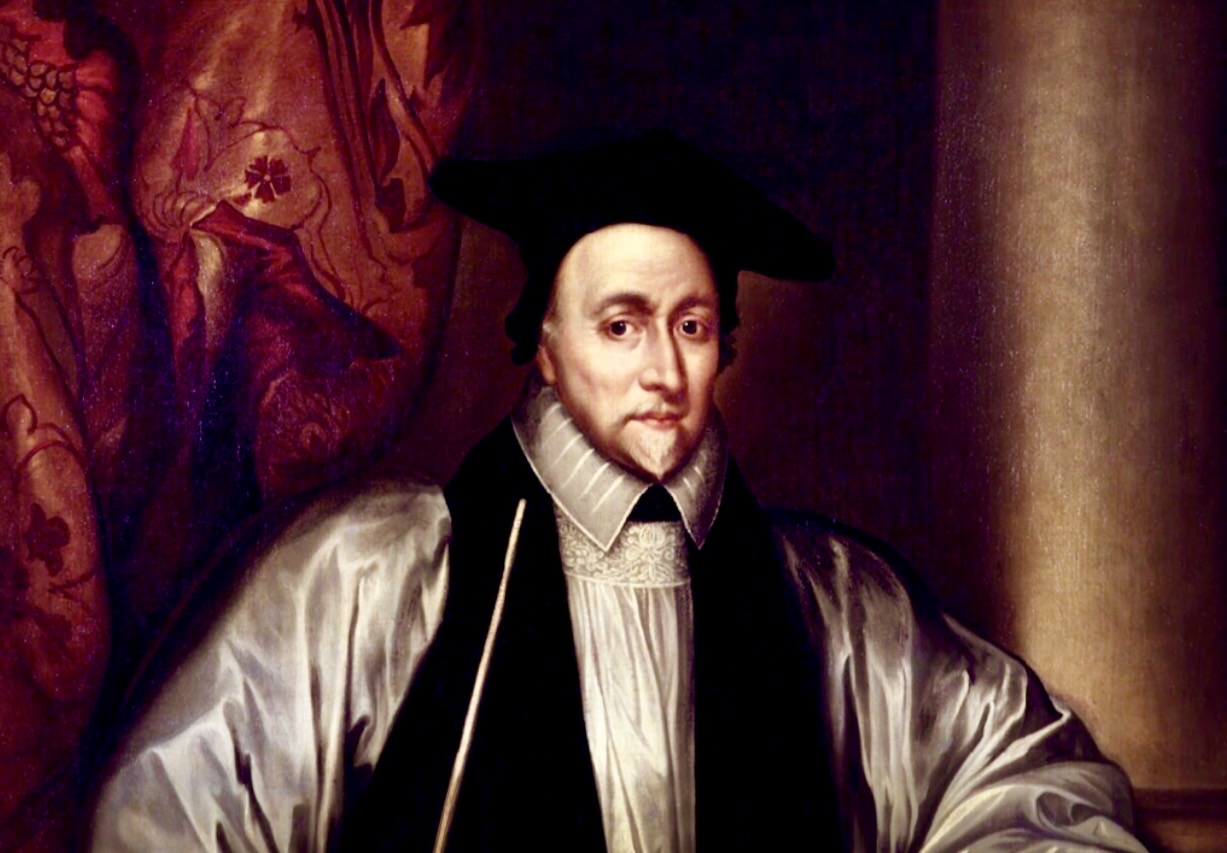
The Juxon’s infamous heritage connects our brewing Fulford’s to one of the most notorious episodes in English history.
Mary Anne Juxon’s (1812 -1872) Great Great Grandmother’s, direct ancestor, was William Juxon (1582-1663) who was made Archbishop of Canterbury by King Charles l.
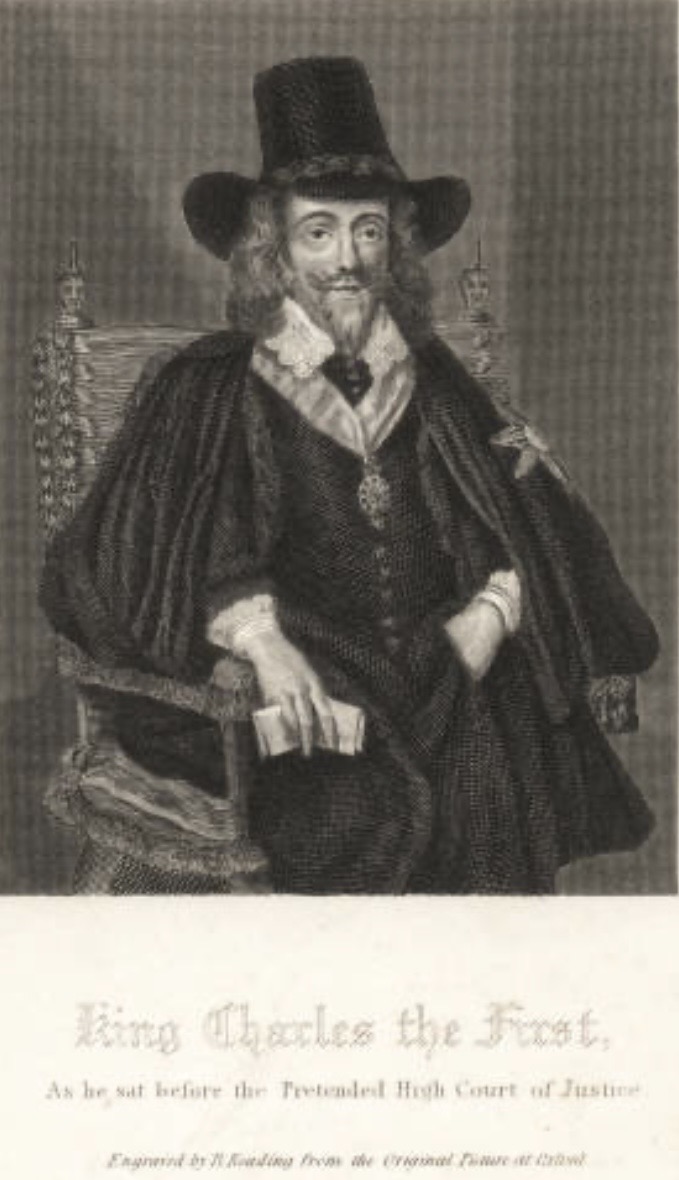
King Charles 1 courtesy of Gettyimages
Furthermore, William Juxon (1582-1663) ministered King Charles ll when he was on the scaffold, the only British monarch to be beheaded.
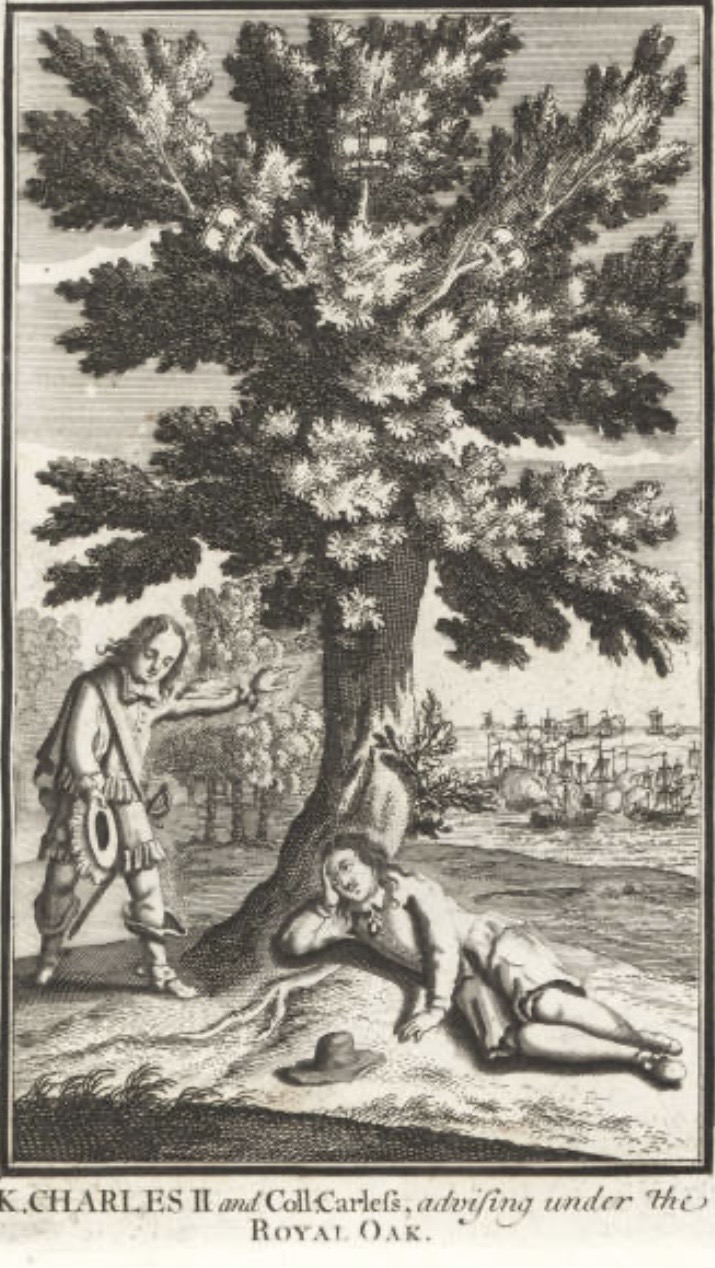
Acknowledging the mood in early paintings, this was the era of cavaliers, Prince Rupert and the Midlands battle of Edge Hill on 23/10/1642 in Warwickshire.
MINERVA BREWERY ON MOTT STREET, BIRMINGHAM
Joseph Fulford Great Great Grandfather (1812-1868) was a prominent maltster, brewer and publican, who founded the very first Fulford brewery, the Minerva Brewery on Mott street around 1841. Joseph was also the publican owner of the Minerva Vaults public house situated on the corner of the same street, on Mott street and Great Hampton Row.
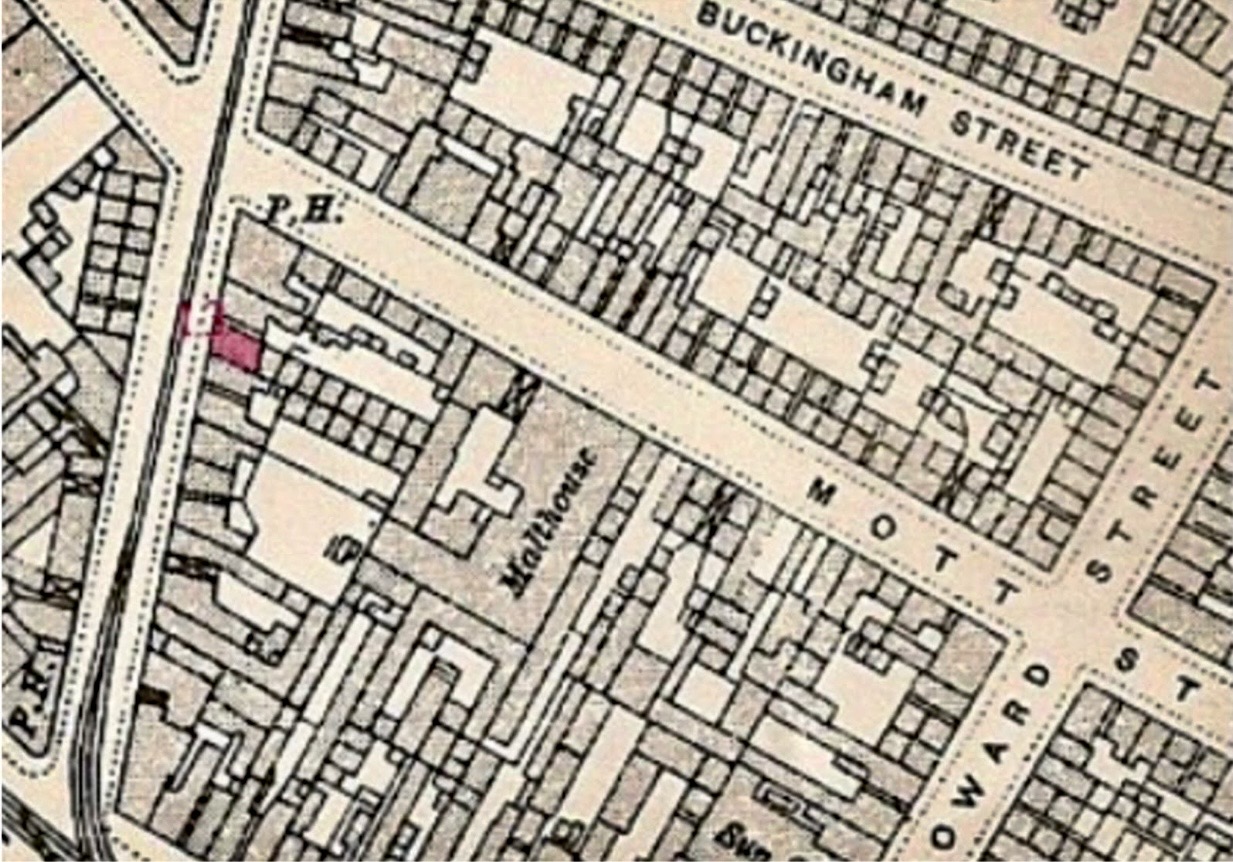
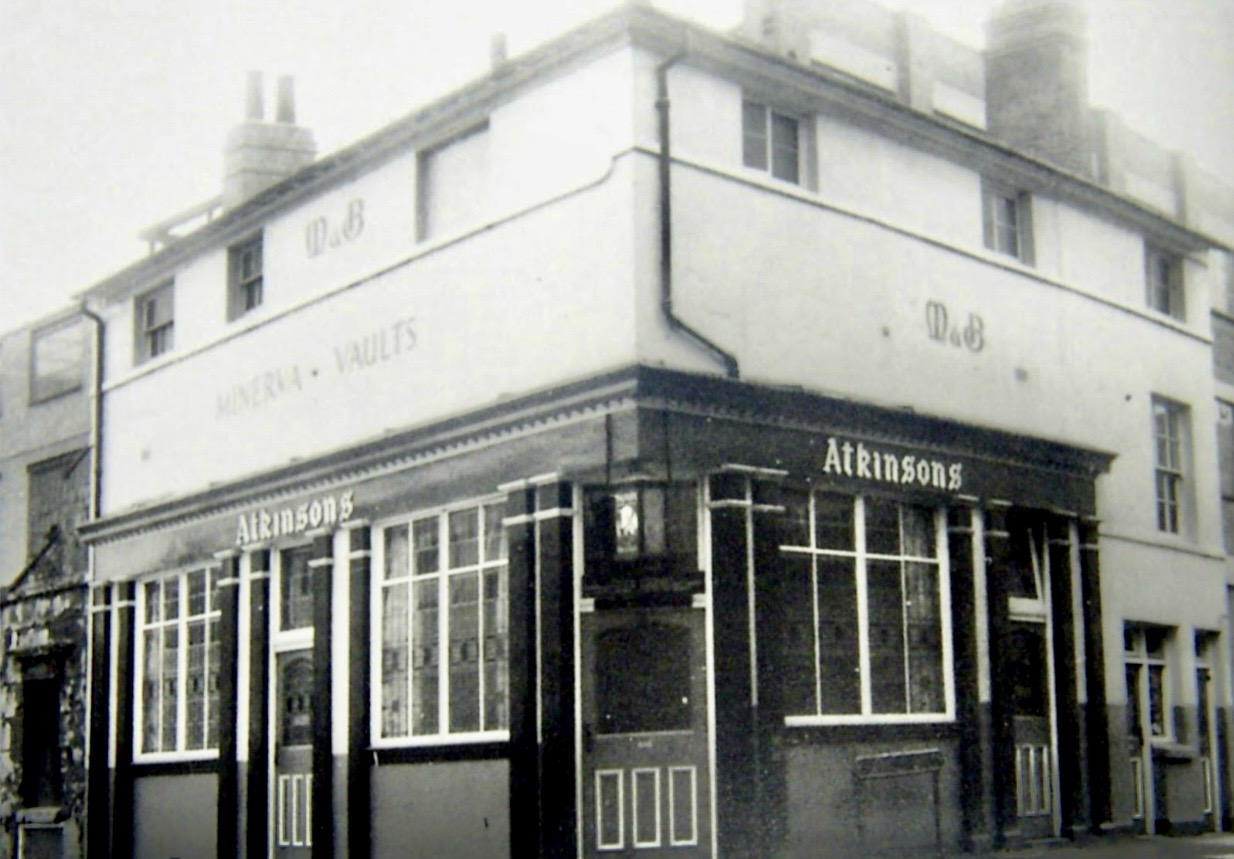
THE MINERVA VAULTS PUBLIC HOUSE
Established c. @ 1825
MINERVA VAULTS PUBLIC HOUSE
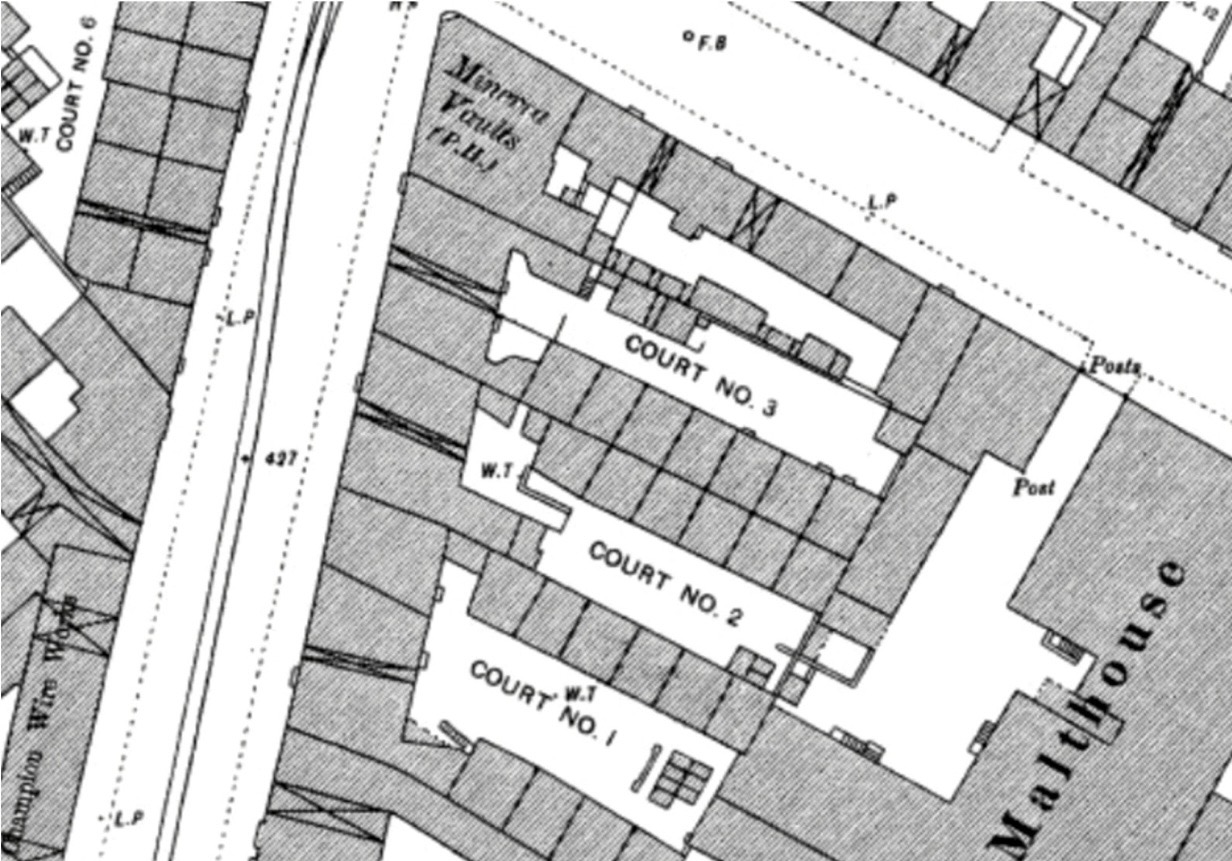
17 Great Hampton Row) marked P.H. on the corner of Mott Street and Great Hampton Row. Listed as a landmark on the detailed survey map below.
JOSEPH FULFORD (1812-1868) AND MARY ANN NEE ‘JUXON’ (1812-1872)
THE FAMILY
In 1841 Joseph (1812-1868) and wife Mary Anne nee ‘Juxon’ were living at the Minerva Brewery with their three children and Mary Anne’s sister Sarah Juxon. The couple went on to have twelve children, including William Henry (1844-1909) and Samuel (1851-1920).
By 1851 the family had moved to Warren Farm, alongside Joseph’s uncle Thomas Fulford (1783), horse breaker and agricultural labourer. Warren farm was an enormous agricultural area producing a large variety of crops which included the essential raw ingredients for making beer. The discovery that Joseph was also a farmer heralded an emerging realisation that Fulford family members were involved at many different levels within the brewing process.
Joseph was an extraordinary entrepreneur, engaged in many additional enterprises associated with the brewing industry.
An article in the Birmingham Gazette of 1855 details the extent of Joseph’s businesses and also provides evidence of the links between his brothers and uncles as yet undiscovered. There are listings at Warren farm, Mott st, the Minerva brewery and new additions such as Summer lane and Holt Street. These trade records provided the vital clues of what was yet to be discovered.
There were a multitude of Fulford family members working together as maltsters, publicans, brewers and publican landlords in some of the oldest and most notorious public houses in Birmingham. John and Joseph’s listing at ‘79 Holt Street’ later heralded a monumental discovery that would link two mammoth Fulford brewing empires.
Joseph’s financial success was unfortunately hampered by several bankruptcies which most likely caused the family to move from Birmingham to Manchester at some time after 1855. Joseph continued as a Brewer and Maltster in co-partnerships both in Lancashire and Stafford until around 1860 with his death records in 1868 suggesting a later return to lost roots in Yardley.
Further details regarding Joseph Fulford (1812-1868) in the separate chapter.
CHANGING TIMES
Post 184
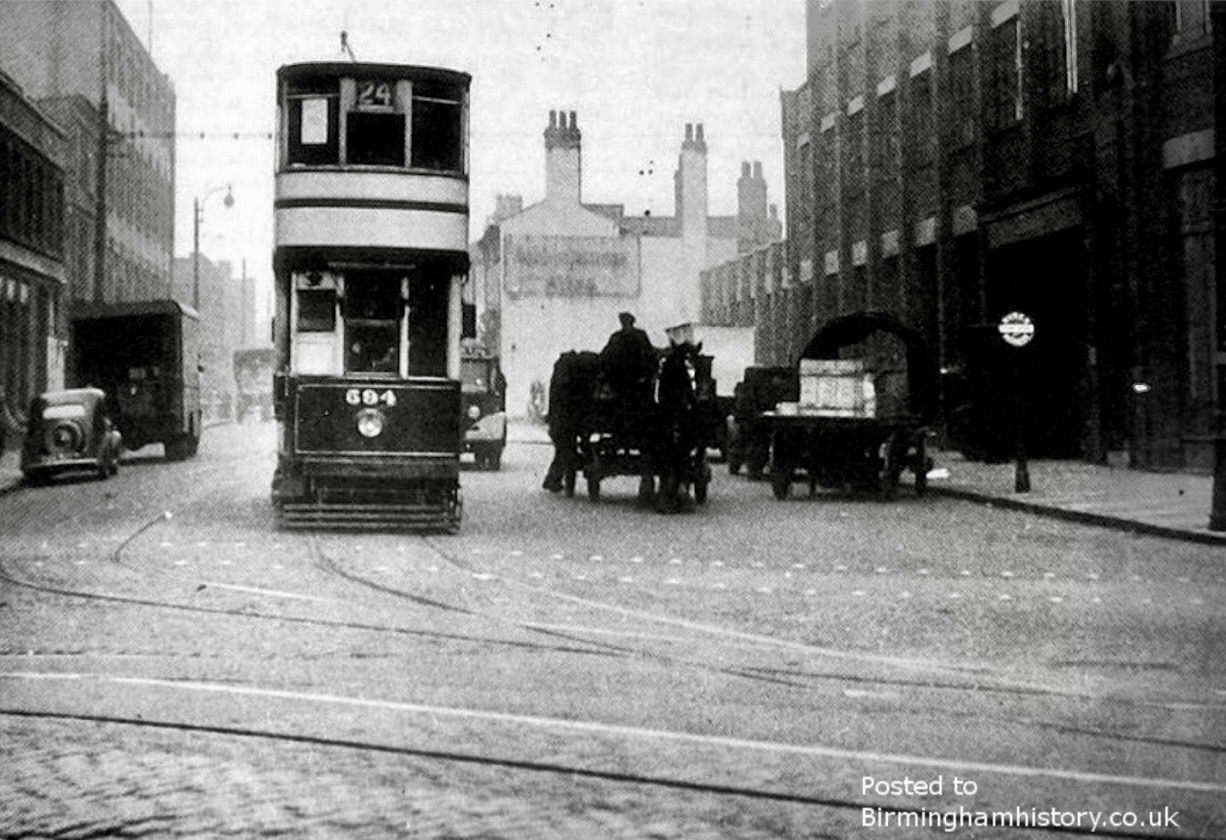
A photograph of the Minerva Vaults offered by the Birmingham History Forum provides a wonderful insight into changes in transport at that time.
THE MINERVA VAULTS CANNABIS SEIGE
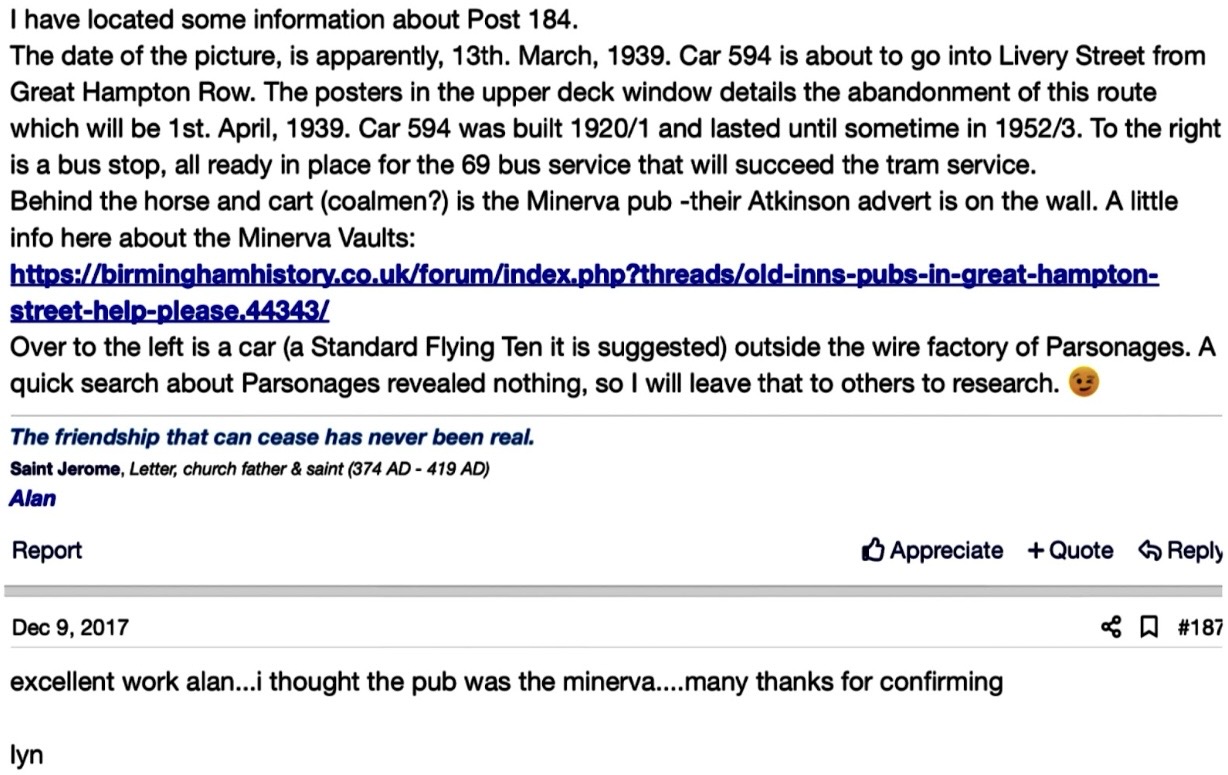
The Minerva Vaults public house had a checkered history with several name changes and closures. It was renamed ‘The Minerva’ and then more recently, ‘The Hampton’. After the pub closed the building operated as a ‘Cash and Carry’ and in 2014 an enormous cannabis growing and processing operation was discovered on its upper floors.
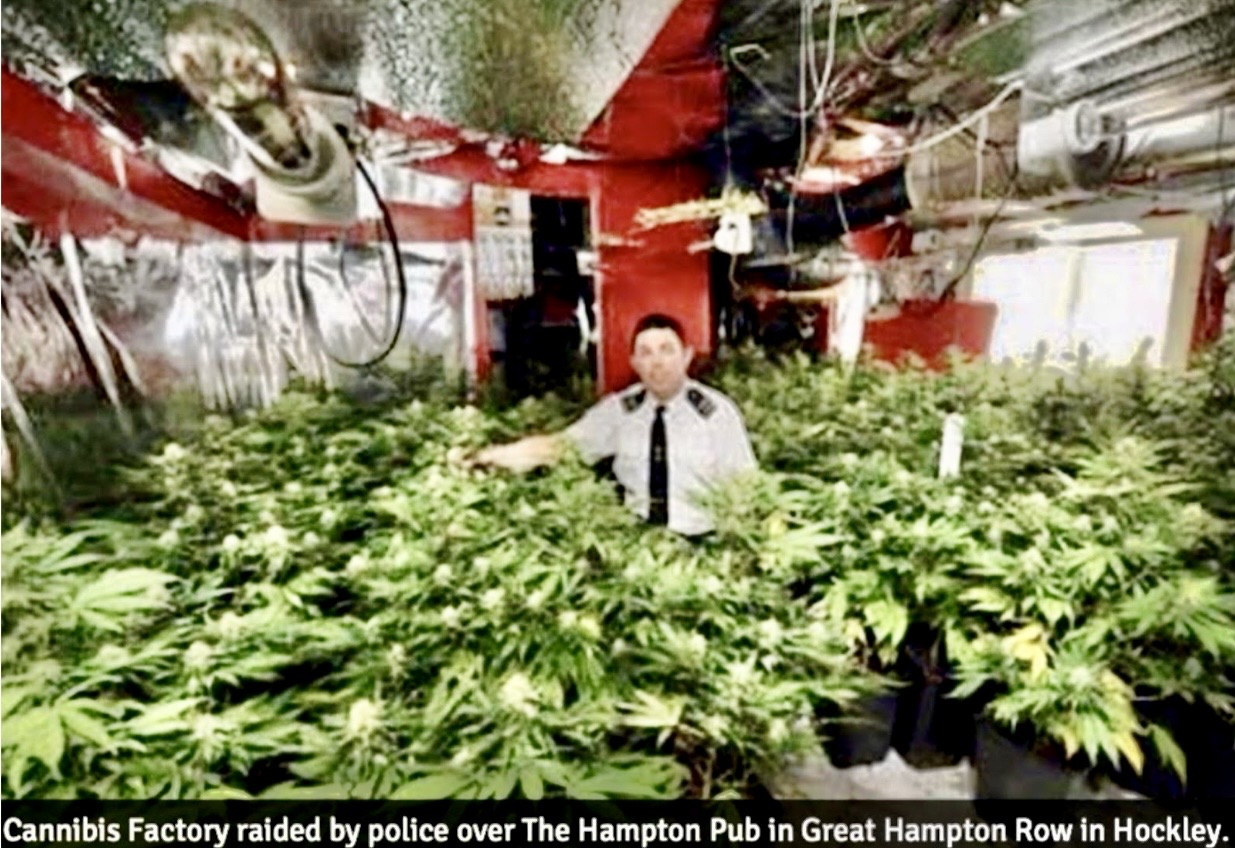
There was a large police cannabis ‘bust’ at The Hampton which was reported in the local newspapers.
Despite the many changes, The Hampton is still fondly remembered as a public house by members of the Birmingham History Forum who frequented it. The building is still standing and operates a clothes emporium but is sadly under threat of demolition in the near future.
THE BROTHERS OF JOSEPH FULFORD (1812-1868)
“All for one, and one for all”
The Three Musketeers 1844 by Alexandre Dumas
Diving down the rabbit hole again rather like ‘Alice in Wonderland’ to delve into a world of extraordinary Fulford characters. Perhaps most similar to the tale of ‘The Three Musketeers’ and their motto, “All for 1 and 1 for All’ except there were five Fulford brothers, who until now have been relatively unrecognized. Joseph Fulford (1812-1868) had four younger brothers who together with their interrelated and complex lives made significant and so far mostly undocumented contributions to the world of Birmingham brewing history. The brothers and many of their children, again unsurprisingly, were also involved in the brewing industry and their stories are highlighted below together with separate and more detailed chapters.
FULFORD BROTHERS THE PUBS
JOSEPH (1812-1868) THE MINERVA VAULTS
JOHN (1816-1891) THE BULLS HEAD
THOMAS (1817-1882) BARTONS ARMS
HENRY (1818-1889) THE VINE
EDWIN (1820-1850) THE GLOBE
Joseph’s (1812-1868) and his brothers worked cooperatively as demonstrated in the close proximity of their central locations in Birmingham. For example, on the 1841 Census, Joseph’s family were living at the Minerva brewery with brother Thomas (1817-1882) diagonally opposite the Minerva Vaults pub at the Beer House, 1 Barr street. The Minerva brewery was alongside on the corner of Great Hampton Row and Mott street.
(1) JOSEPH FULFORD (1812 -1868)
MINERVA BREWERY
MINERVA VAULTS PUBLIC HOUSE
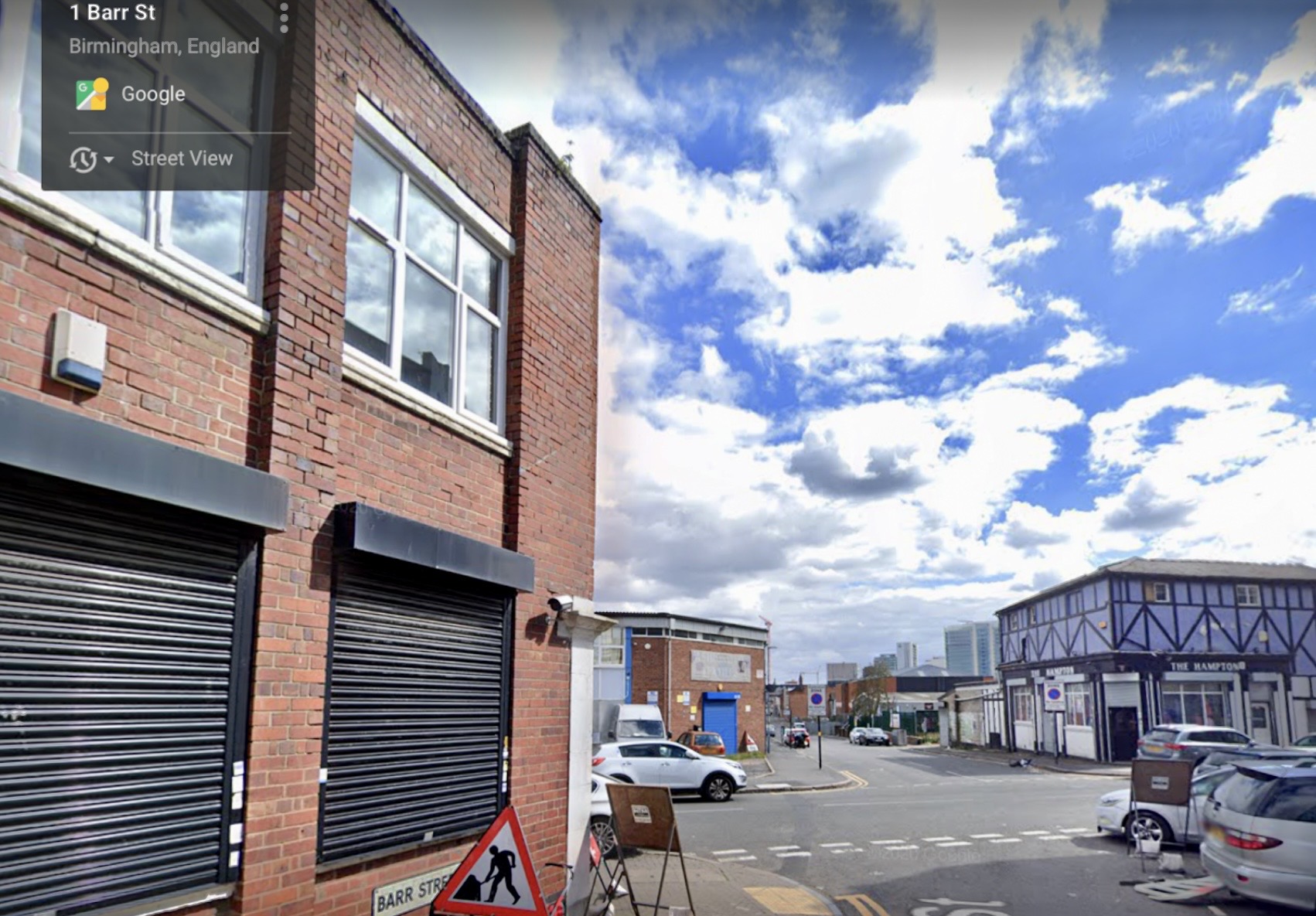
Courtesy: Google Maps To the left of the photograph 1 Barr st, the site of Thomas Fulford’s Beer House. Diagonally opposite, on opposing corners to brother Joseph’s Minerva Vaults public house which is still showing the signage of the pub renamed, ‘The Hampton’.
(2) JOHN FULFORD (1816-1891)
BREWER, MALTSTER (TRINITY ROAD), HOP MERCHANT,
PUBLICAN; THE BULLS HEAD, 1 PRICE ST, NOW RENAMED THE BULL
John Fulford (1816-1891) was an established Maltster, Brewer and Publican.
THE BULL, 1 PRICE STREET, BIRMINGHAM
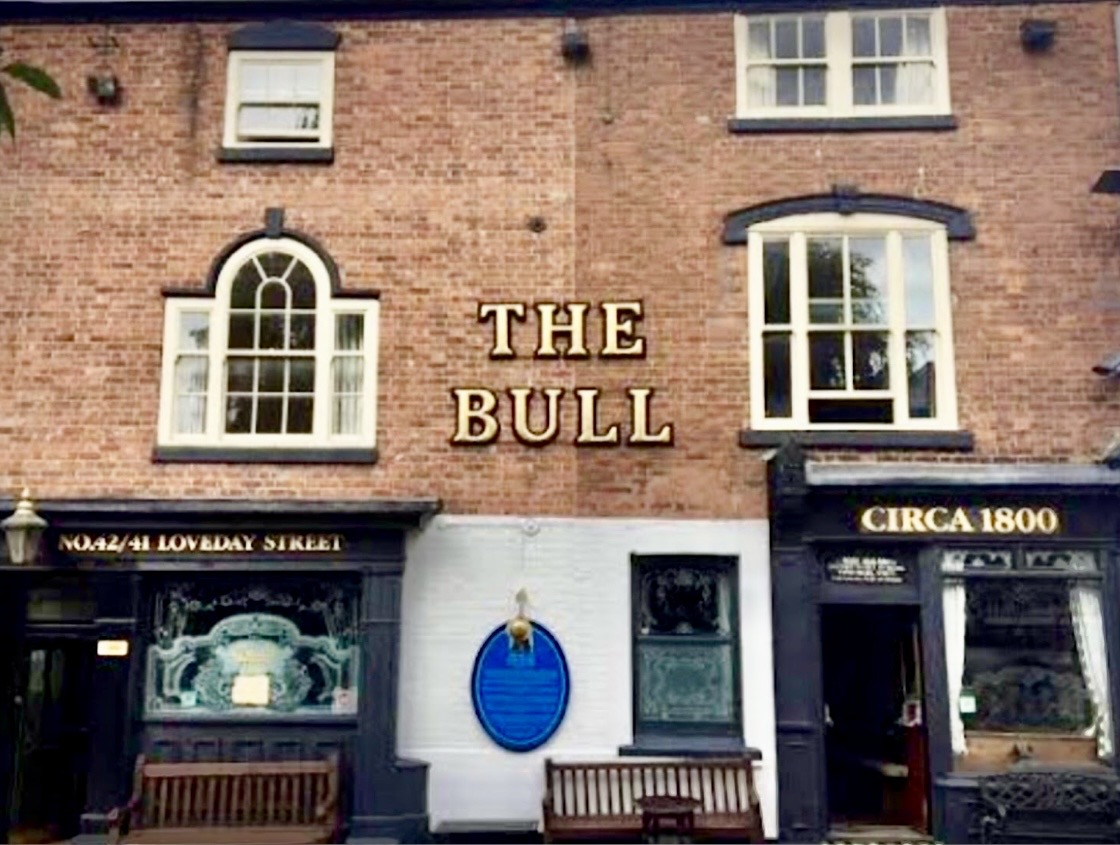
John Fulford and Son’ were landlords at ‘The Bulls Head’, (now still operating as ‘The Bull’) from 1848 to 1898. A time frame spanning an impressive 50 years. For more detail regarding John Fulford (1816-1891) see separate chapter.
Birmingham’s public houses have existed for over 600 years and The Bull is listed as one of the 10 oldest. As written on the pub’s Blue Plaque it,
“has been serving ale since 1729”.
This iconic ale house has been described as, “a jewel in the crown of Birmingham’s pubs” (The Evening Mail) and is situated in the historic Gun Quarter.
“People who know the area well claim that as early as 1729 there was a gun implement maker residing at No. 1 Price St. He was also a beer retailer”.
MONEY LENDING AT THE BULLS HEAD
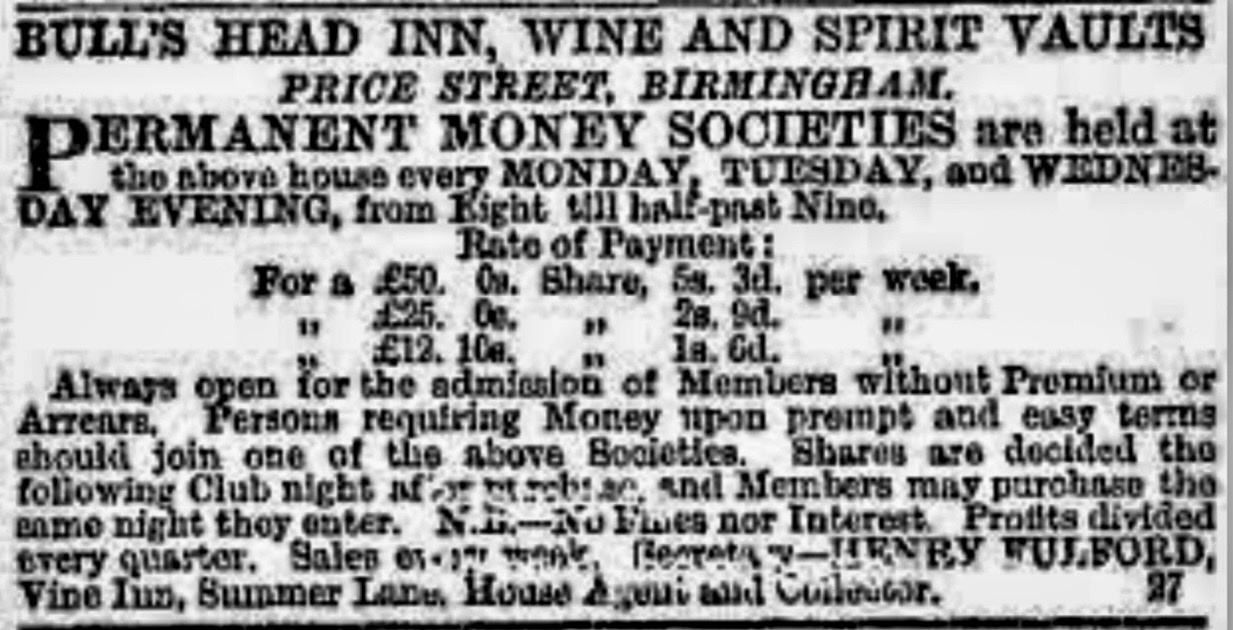
Note the link to brother Henry Fulford (1818-1889) at The Vine Inn Public House, acting as “House Agent and Collector” at the Bulls Head.
JOHN FULFORD (1816-1891) LANDLORD 1848-1878 The Bulls Head
JOHN JOSEPH FULFORD (1847-) and Son LANDLORD 1878-1898 The Bulls Head
CHILDREN OF JOHN FULFORD (1816-1891)
John’s sons were also listed as brewers, hop merchants, maltsters and publicans.
JOHN JOSEPH FULFORD (1847-)
THE BULLS HEAD, 1 Price St, Birmingham
THE WHITE SWAN, 74 Victoria Rd, Birmingham
THE WHITE SWAN PUBLIC HOUSE, 74 VICTORIA RD, BIRMINGHAM
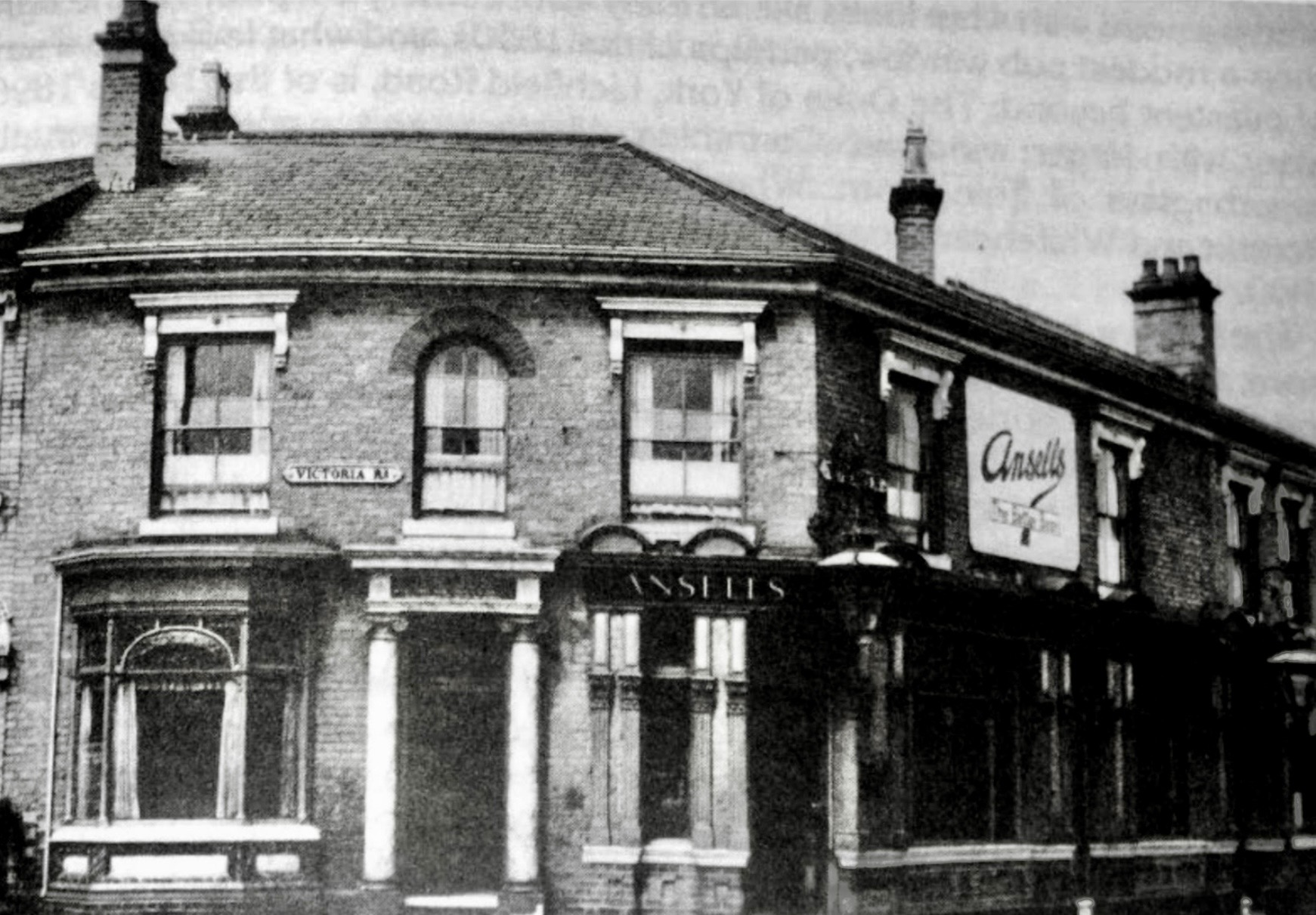
THE WOOLPACK, 362 SUMMER LANE, BIRMINGHAM
Licensee: John Joseph Fulford (1847), John Fulford’s (1816-1891) son.
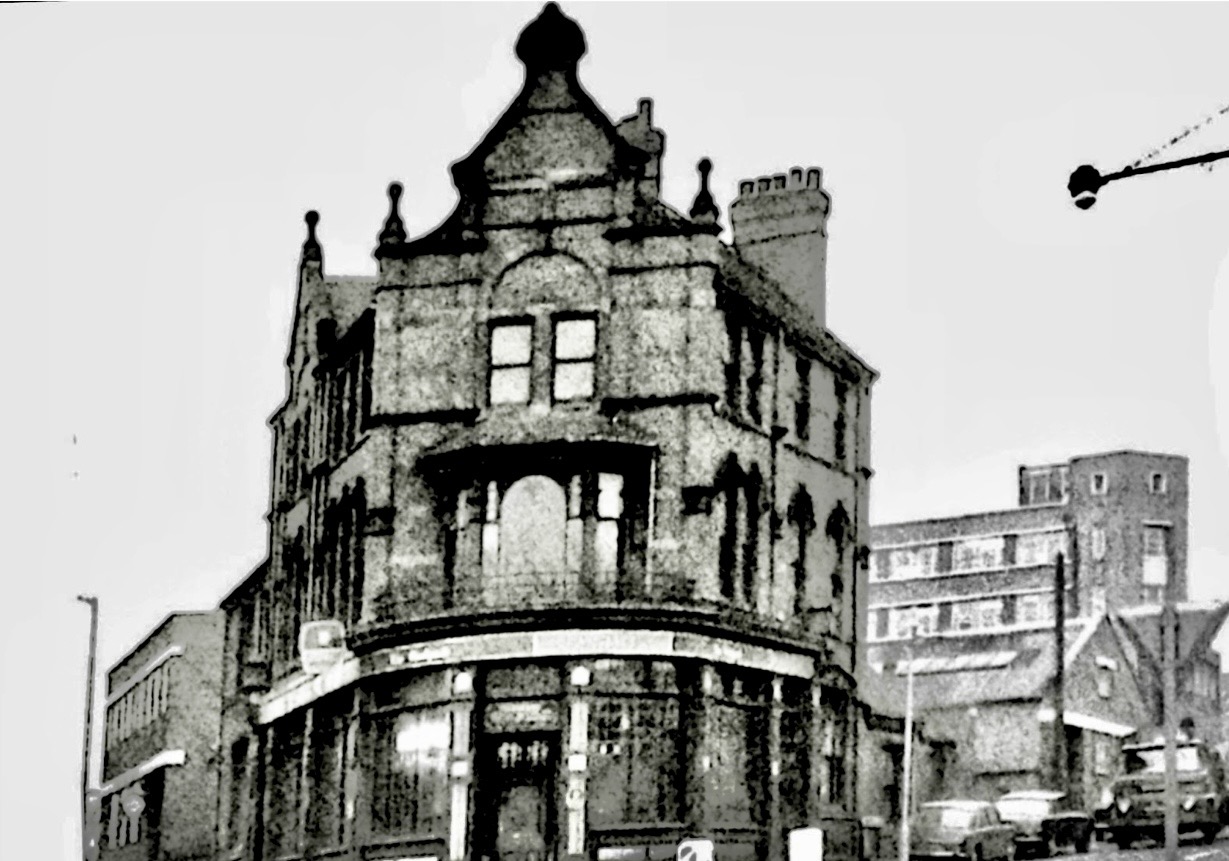
At several different addresses, son John Fulford (1847) was Co licensee of The Bulls Head, The White Swan, and The Woolpack.
GEORGE JAMES FULFORD (1849-)
THE WHITE SWAN, 74 Victoria Rd, Birmingham
BARTONS ARMS, Walsall Rd, Aston, Birmingham
Another son George (1849) was a ‘Maltsters Assistant’ and Publican at ‘The White Swan’. Later George would succeed his Uncle Thomas Fulford (1817) as publican and ‘Maltsters manager’ at the Bartons Arms in 1882.
(3) THOMAS FULFORD (1817- 1882)
BEER HOUSE, 1 Barr st
BARTONS ARMS, Walsall Rd, Aston
THE BARTONS ARMS
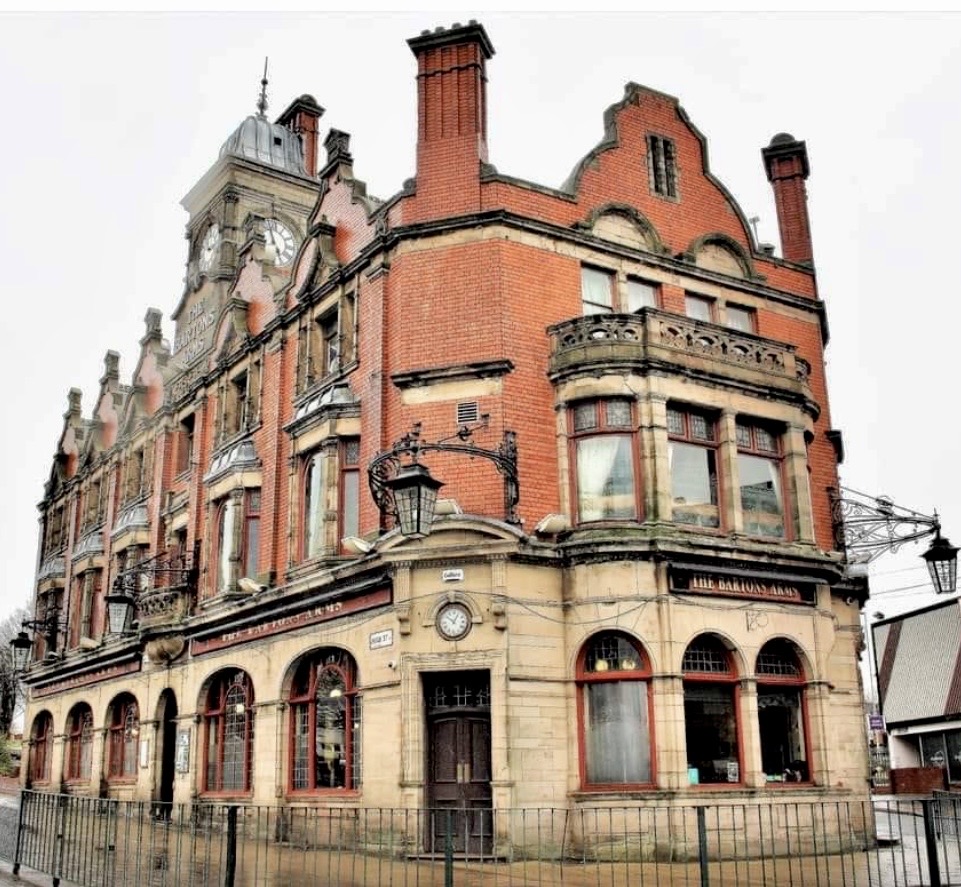
Thomas Fulford (1817-1822) was a ‘Licensed Victualler’ at the Bartons Arms between 1860 and 1882. An article published in the late Victorian period describes Thomas Fulford, publican;
“genial, portly figure, famous for his courtesy, and altogether a typical host of the good old fashioned type. He prospered at the Barton’s Arms Inn and his bar would be filled in an evening by the leading men in the district to whom it served as a club”. midlands pubs.co.uk
A newspaper article in the Erdington Daily Post January 2nd 1864 page 4, recounts how Thomas Fulford dealt with an inebriated pub goer who was fined 1s., 2d for damages to the pub and 16s, 6d. costs.
“Thomas’s Adrian of Alma street, Aston, was charged with being drunk and disorderly, and damaging a door to the amount of 2s., at the house of Mr Thomas Fulford of the Barton’s Arms Inn, Aston New Town”.
For 22 years Thomas Fulford (1817-1822) was the publican at the Bartons Arms up and until his death, aged 65, at the pub in 1882.
THE BARTONS ARMS
The Bartons Arms, is a Grade ll listed building and viewed as one of the top ten examples of Victorian public houses in Birmingham.
In 1890/1 the current Bartons Arms was rebuilt by renowned architects James and Lister Lea, the firm of architects who were also responsible for several of the Fulford owned Holt Brewery public houses and the magnificent Aston Hippodrome opposite.
Providing a grand historical landmark, The Barton’s Arms is famous for the finest examples of Minton tiles, stained glass windows and an ornate sweeping staircase. Historically, the still present, ‘snob’ screens and ‘smoke’ rooms offered middle class drinkers privacy and separation from the working classes. The Barton Arms original ‘smoke screens’ are possibly the last remaining in Birmingham.
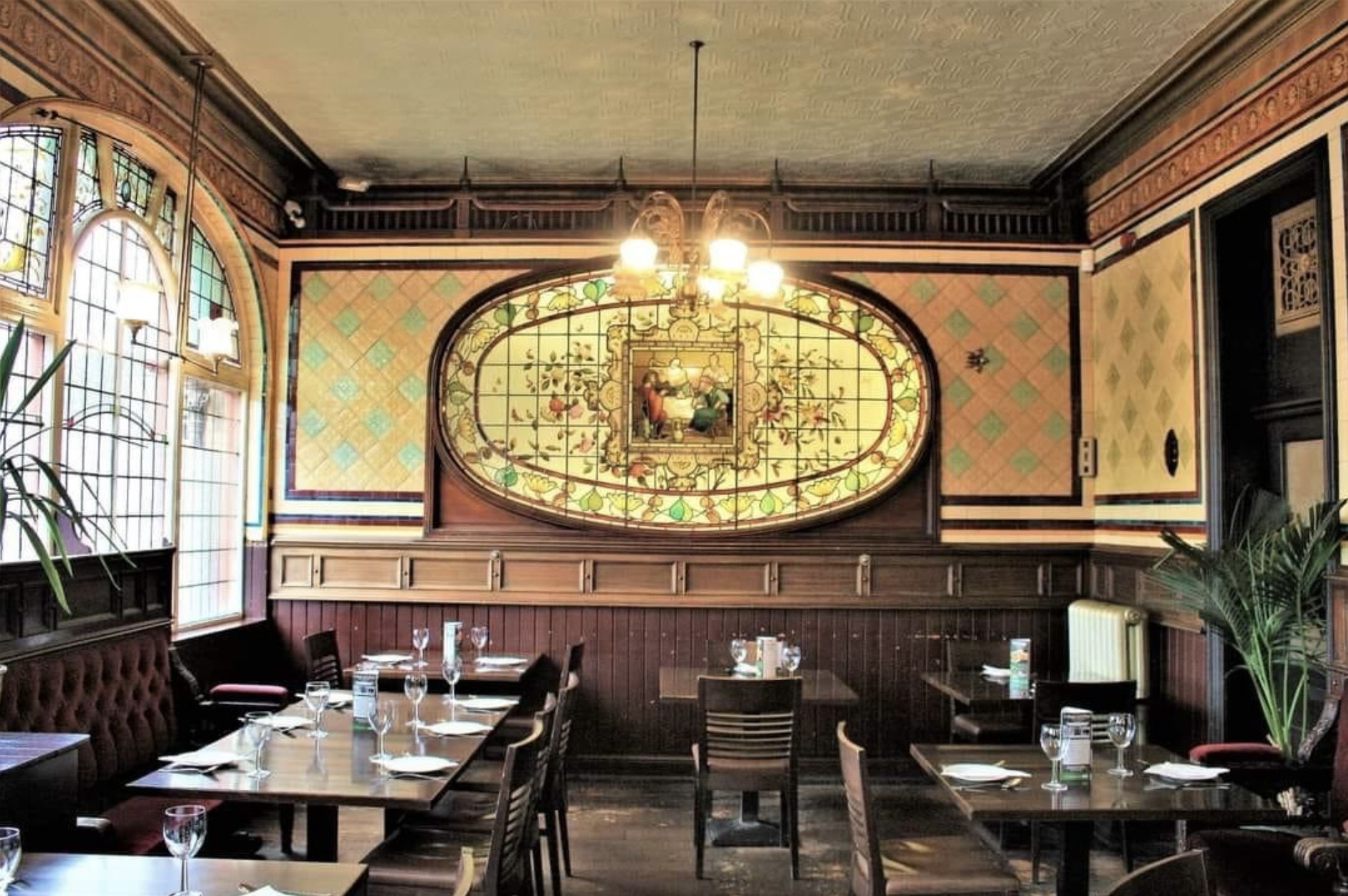
Photograph Jane Fulford 2024
Numerous famous people lodged and drank at the Barton Arms, including; Charlie Chaplin, Enrico Caruso, and Marie Lloyd. Ozzie Osborne frequented the pub regularly during the days of his rock band Black Sabbath.
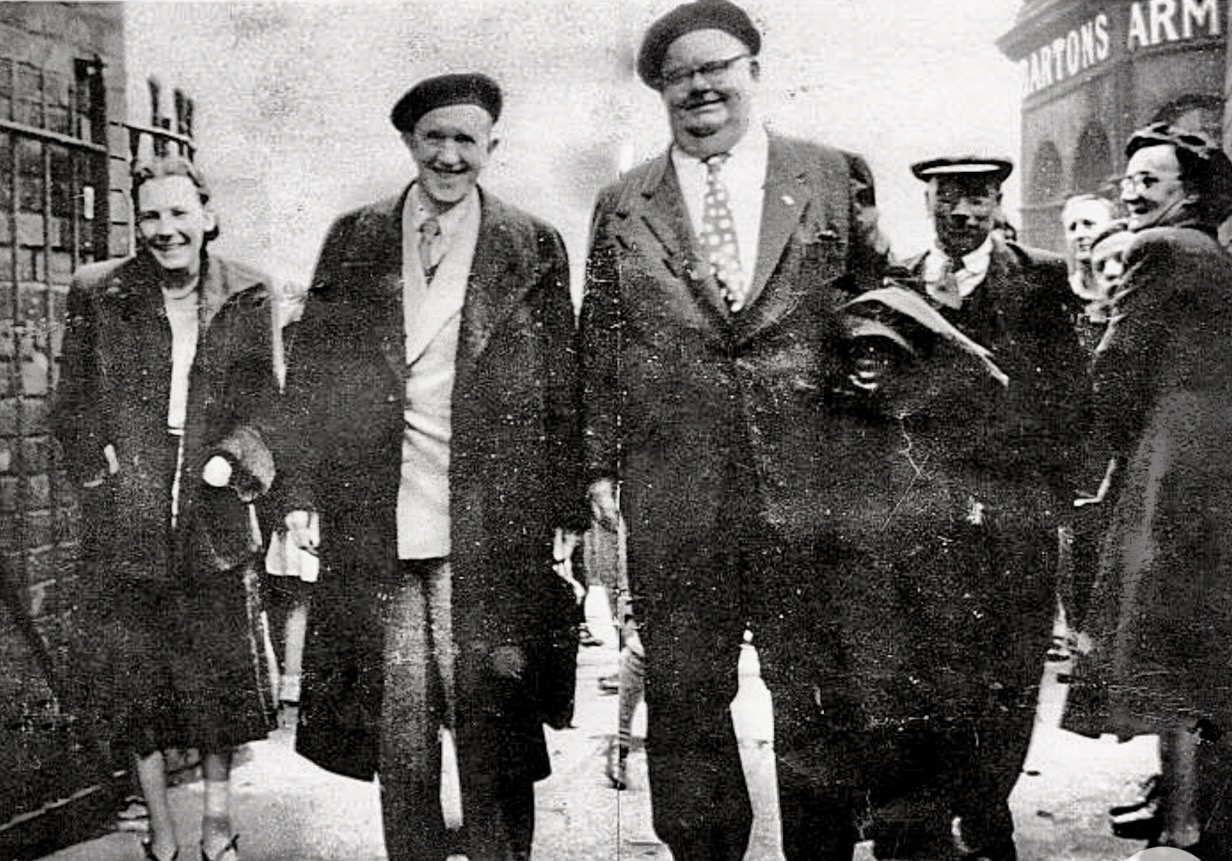
LAUREL AND HARDY:
Laurel and Hardy allegedly stayed at the Barton Arms and ‘pulled pints’. They were performing across the road at the Aston Hippodrome during their 1954 final tour.
(4) HENRY FULFORD (1818- 1889)
Liscencee: (1861) THE VINE: 104 SUMMER LANE, BIRMINGHAM
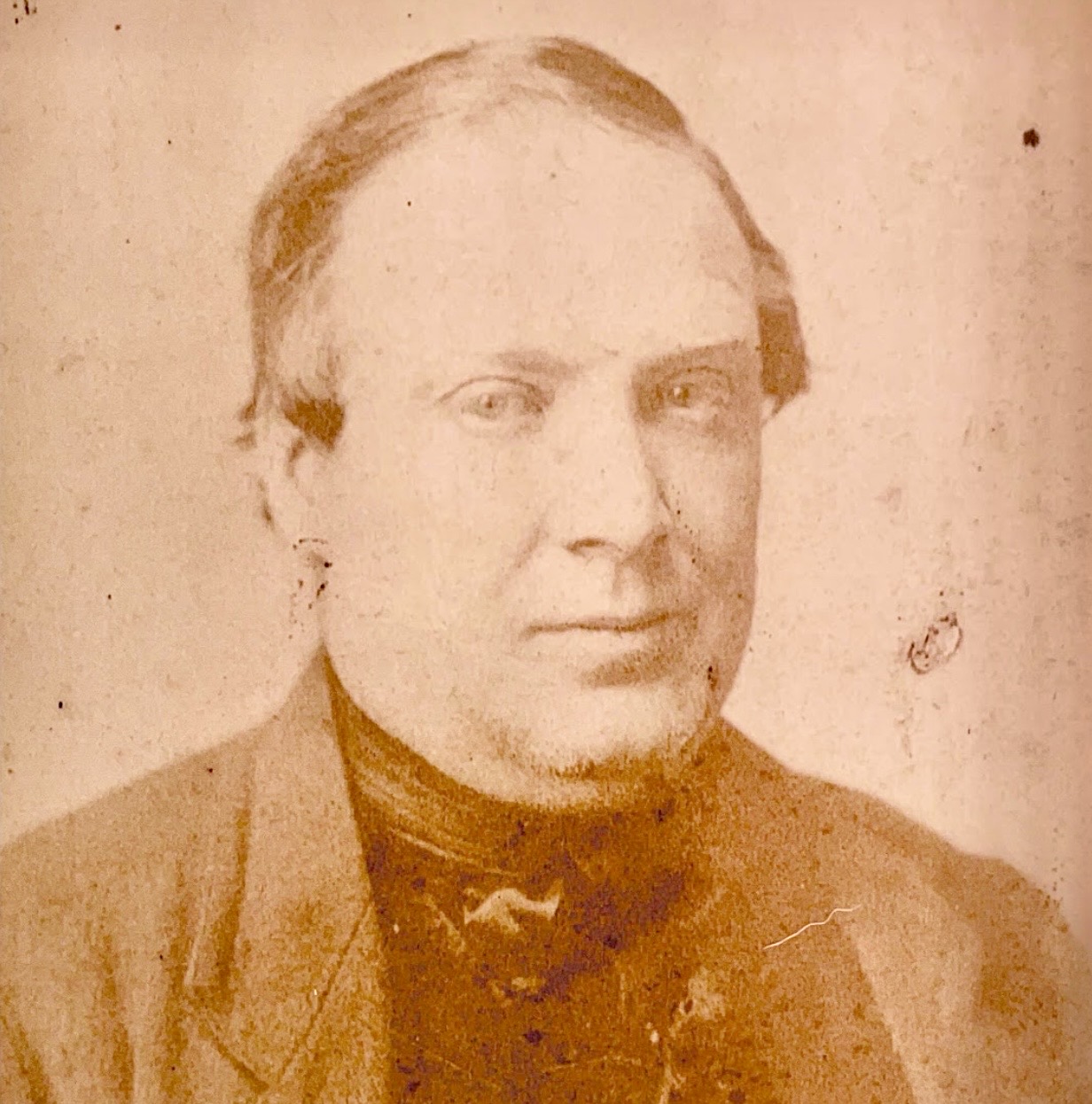
Courtesy; Garvey Family private collection
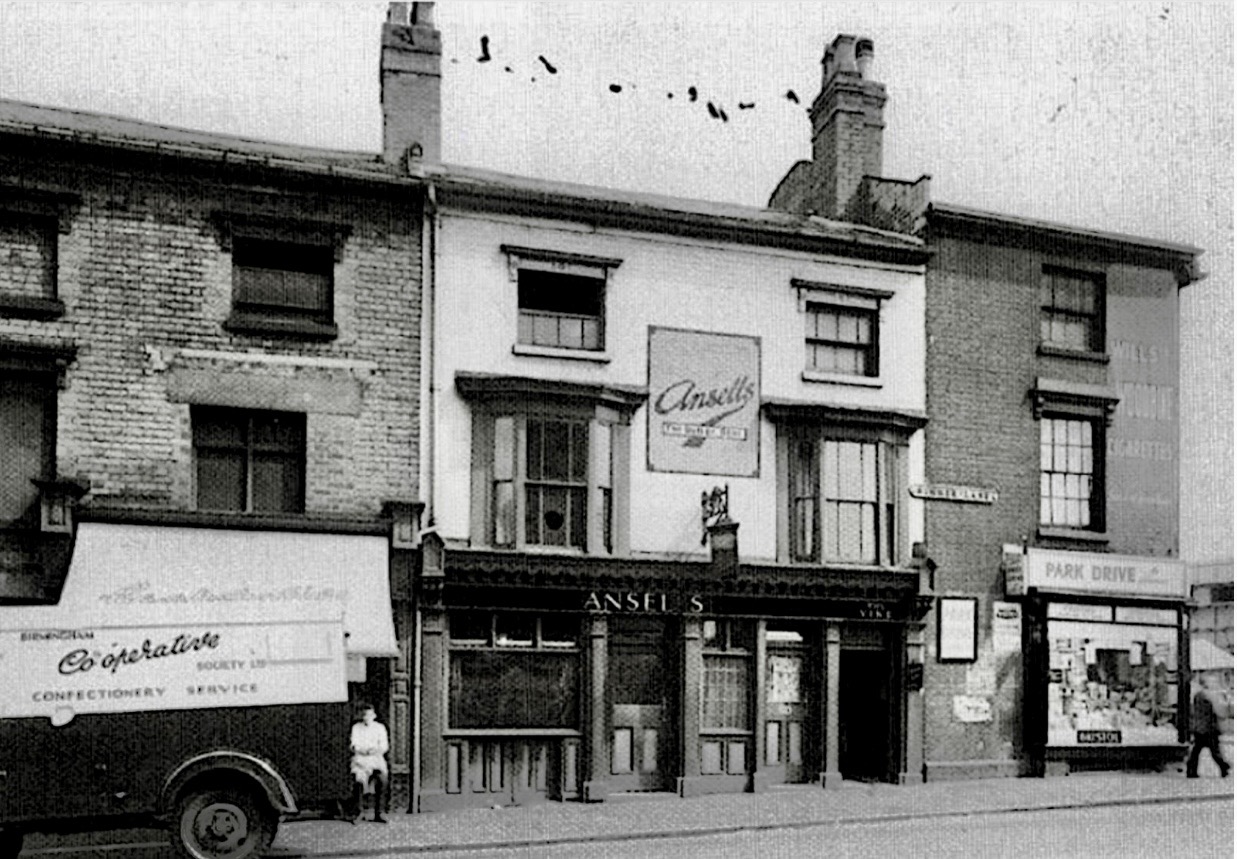
THE VINE, PUBLIC HOUSE
Henry Fulford (1818-1889) was the publican at the Vine public house, Summer Lane, Birmingham. The Vine was situated on the junction of The Lane and New John St and was the only pub, of the fifteen on Summer Lane without a corner location.
Henry (1818-1889) married Elizabeth Chattaway (1818-1880) on 20th June 1840 at St Phillips Cathedral.
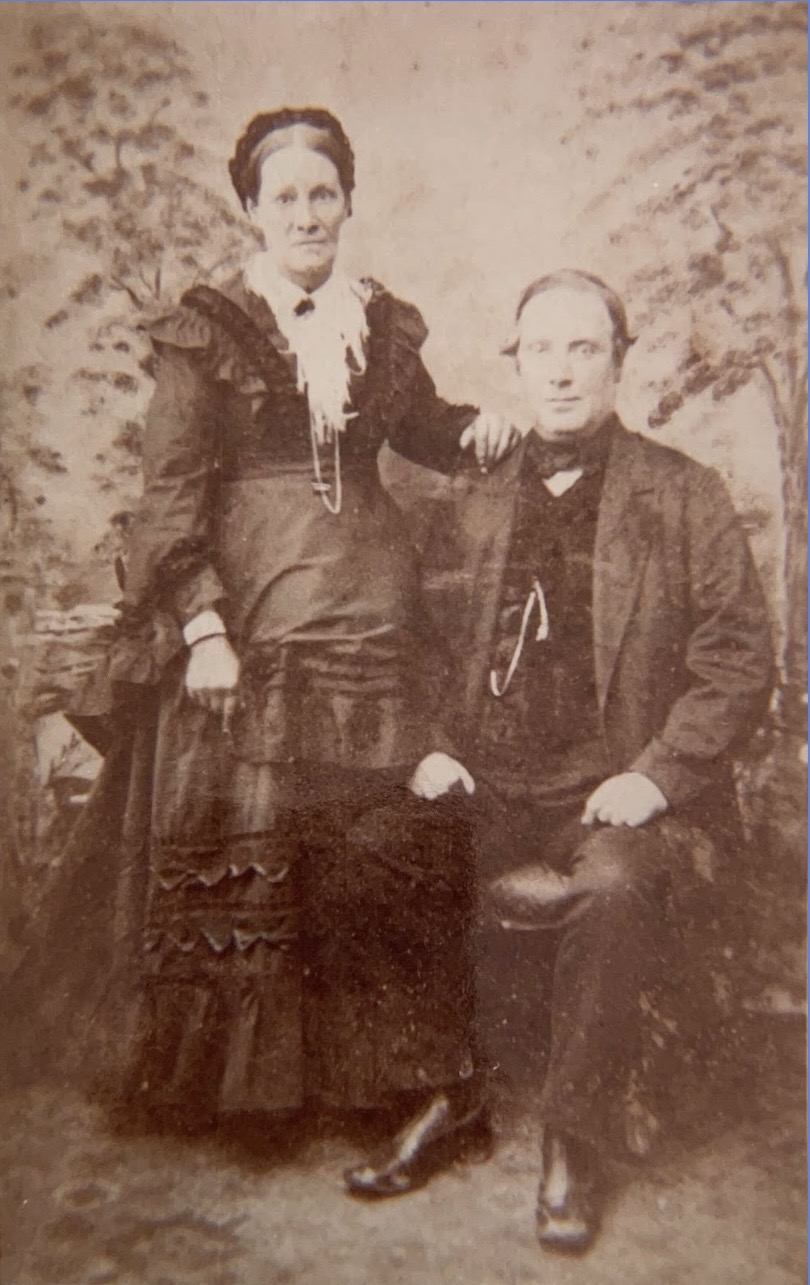
Henry Fulford (1818-1889) and Elizabeth nee ‘Chattaway’ had 7 children, and several held occupations associated with the brewing trade. Son Thomas Joseph (1847-) was a publican at the Beer house, Bordesley. Sons Thurland Fulford (1853) and Lorenzo (1857) were Brewers and Walter Theodore (1855) was a Brewery Traveller.
After Elizabeth’s death Henry (1818-1889), aged 62, married Eliza Chatwin (1827-1891) aged 56, on 9th July 1881 at Christ Church, Sparkbrook, Birmingham. Eliza was previously Henry’s house servant and also a widow. Their marriage certificate describes Henry’s father as ‘John’ and his occupation as ‘Brewer’. This provides the clue for our next time travel episode when we go back in time to the parents of our five publican brothers; the previous generation and the discovery of even more brewers and publicans !
FALLING OFF THE PROVERBIAL WAGON
THOMAS JOSEPH FULFORD (1847-)
Thomas Joseph (1847-1868?) the publican at the Beer house Bordesley, is rumoured to have literally “fallen off the wagon” as the old adage purports. In 1868 he died of accidental death caused by excessive alcohol consumption after falling from his horse and cart. The story has been recounted by descendants of both Joseph (1812-1868) (Minerva Brewery) and most particularly by descendants of Henry (1818-1889) at The Vine Inn.
“Great grandfather Fulford met an untimely death. He returned home from the pub every night in his pony and trap. The pony knew the way home as he was always very drunk and was unable to direct it. One fateful night the trap tipped over and he died falling out of it”.
(5) EDWIN FULFORD (1820-1850)
THE GLOBE PUBLIC HOUSE, BLEWS STREET AND MANCHESTER STREET
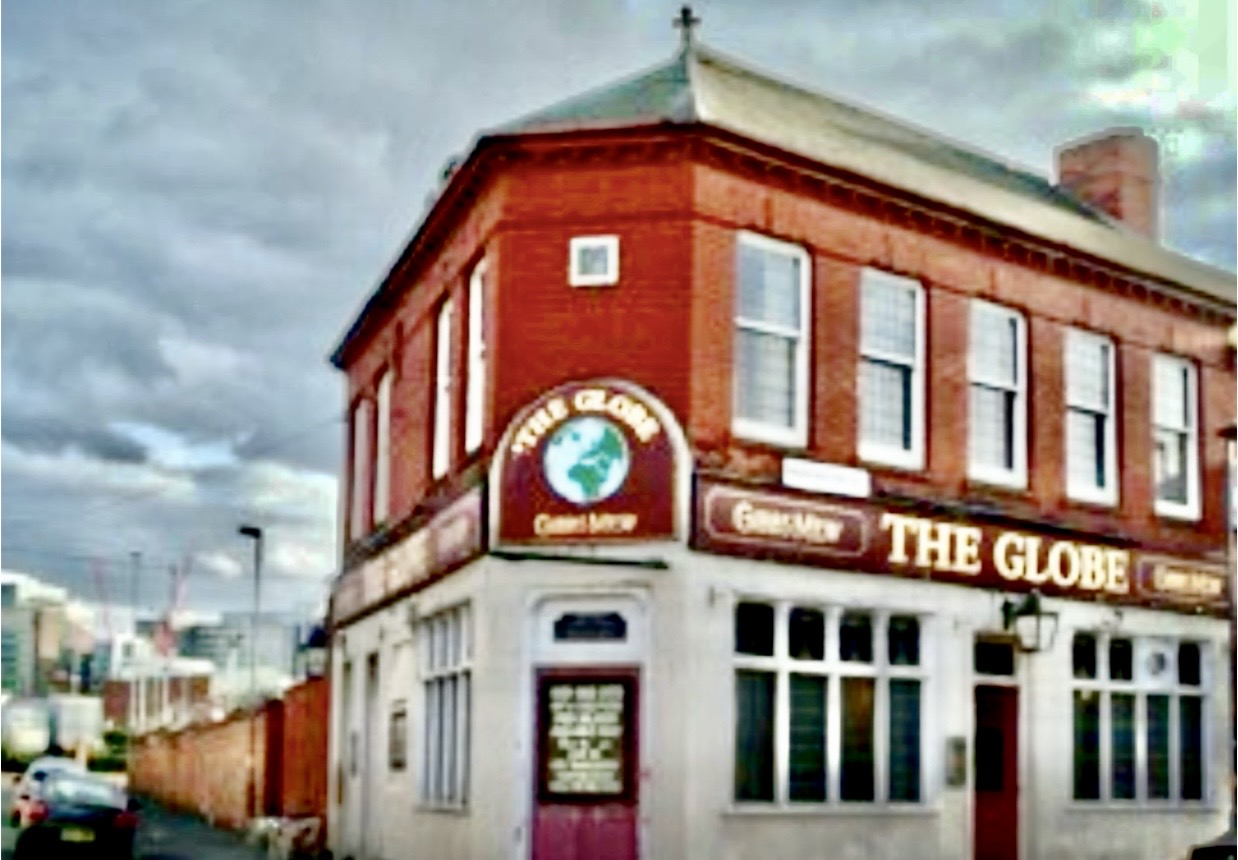
Courtesy: Closed pubs.co.uk
The last publican brother of Joseph (1812-1868), John (1816-1891), Thomas (1817-1882) and Henry (1818-1889), was Edwin Fulford (1820-1850). In 1841, Edwin aged 20, was living with his younger brother William Fulford (1826) aged 15, and was Publican, Licensed Victualler and ‘Beer Retailer’ at the Globe public house on the corner of Blews St and Manchester St, Birmingham.
Edwin Fulford (1820-1850) paid the heaviest price for his association with alcohol. After recently marrying Sophie nee ‘Joiner’, he died aged only 30, at the Queens Arms Inn, Bell Barn Rd, Edgbaston. Edwin’s death certificate cited the cause of death as ‘Congestion of the brain caused by exceptional drinking’.
NOTABLE EVENTS AT THE GLOBE PUBLIC HOUSE
Long after Edwin died, The Globe was mentioned by the Birmingham Gazette; 10th May 1915 and also in the book ‘Birmingham in the Great War’. Survivors of The Lusitania which was sunk by a German torpedo attack, included Edgar Hounsell (1886-1947) movie theater owner who had lived with his family at the Globe. Edgar together with his business partner Edward Barry, were aboard the Lusitania and narrowly escaped with their lives purportedly also losing several important films in transit.
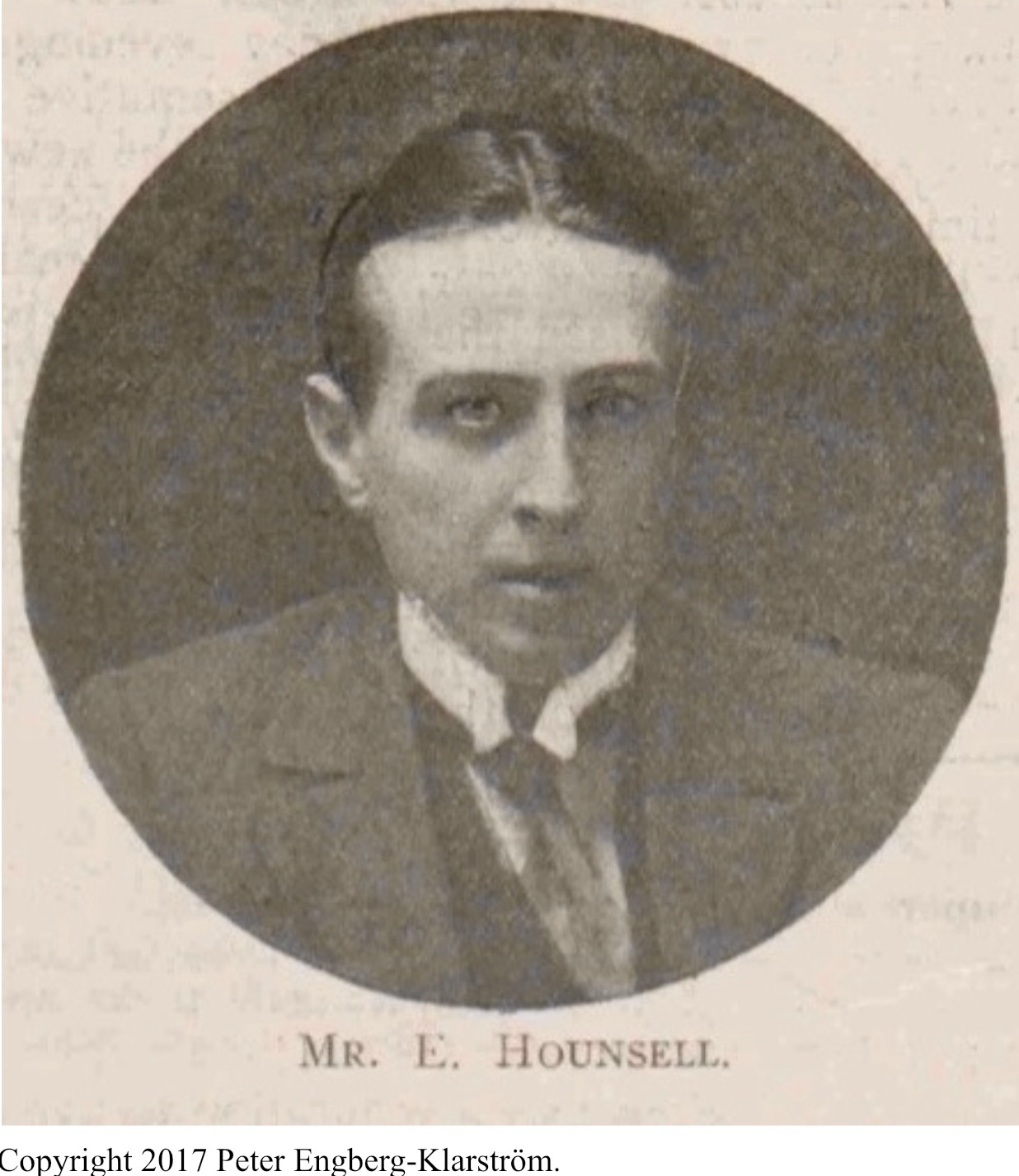
More recently, the Birmingham Mail reported on the closure of The Globe Public House in 2013 which had been the residence of a local folk club;
“Folk Club on the road again after pub closes….
The Black Diamond Folk club is now on the look out for its 16th permanent home following the demise of The Globe, in Blews St, Newtown”. Graham Young 23rd September 2013. Birmingham mail.co.uk
‘CHAMPION RESTAURANT AND BAR’ , 35 MANCHESTER STREET
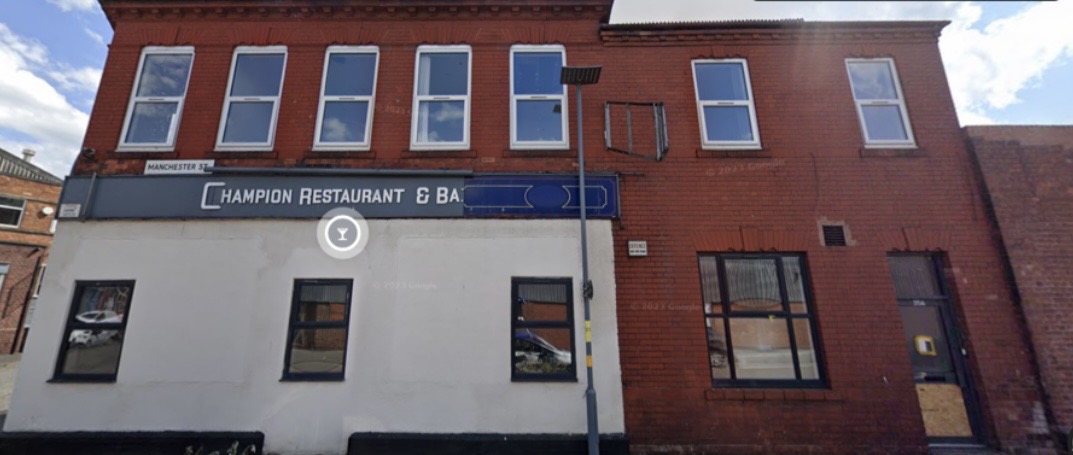
The Globe pub is now nearly 200 years old and despite closures it has recently become a pub again. Here it is listed as Champion Restaurant and bar.
TAKING THE NEXT GIANT LEAP BACK IN TIME
Taking the next leap back in time to the parents of the five publican brewing boys, the story takes yet another giant twist uncovering yet another brewing empire much larger than what has already been discovered…. Unbelievable but true…
JOHN FULFORD (1785-) GREAT GREAT GREAT GRANDFATHER
BREWER AND PUBLICAN, CANAL STREET, BIRMINGHAM
John Fulford (1785) and Ann ‘Hall’ (1790-1848) were the parents of ;
Joseph (1812-1868), John (1816-1891), Thomas (1817-1882), Henry (1818-1889), Edwin (1820-1850), William (1826-) and Harriet (1822-). John Fulford (1785) was yet another Brewer in Birmingham, a Publican on Blews st (1841) and a ‘Victualler’ at 10 Canal St with brewing yards and apparatus advertised in a local newspaper at this address.
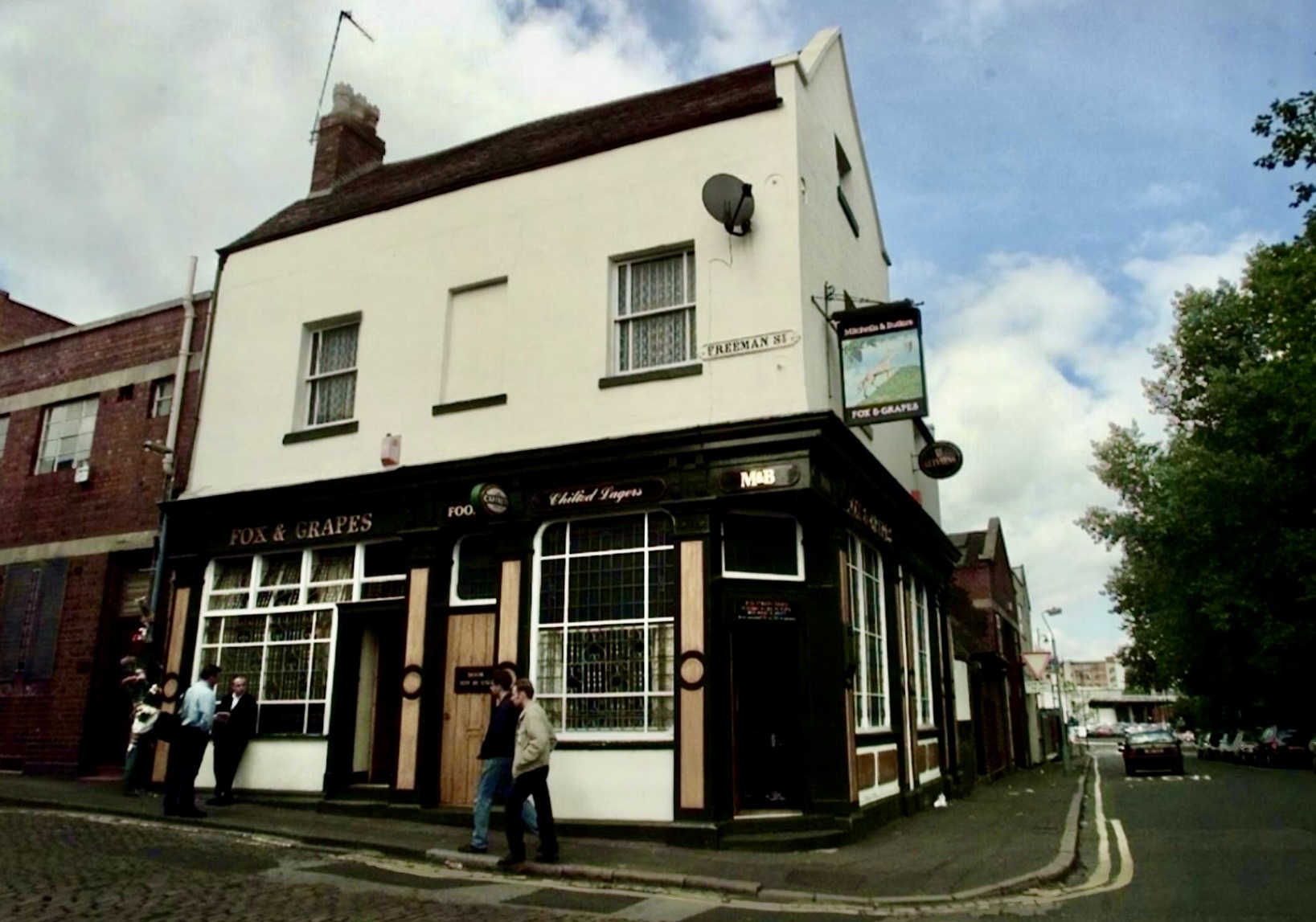
John (1785) and Ann ‘Hall’ (1790-1848) married on Christmas Eve in 1811 but when wife Ann died in 1848, John (1785) married Mary (1813-) on the 27th June 1850. Mary was 28 years younger than John and at the time of their marriage was the landlady of The Fox and Grapes Public House.
Son Edwin (1820-1850) had been the publican of The Globe public house (see earlier), died January 1851, the same year as his father John married Mary (1813-). After Edwin’s death John Fulford (1785) and Mary (1813) lived next door to The Globe on Blews Street, with a new beer retailer operating the pub.
THE FOX AND GRAPES PUBLIC HOUSE, BIRMINGHAM
Now demolished after a fire.
THE BRITANNIA BREWERY
BLEWS/BREWERY ST
An enlarged segment of Pyes 1795 map.
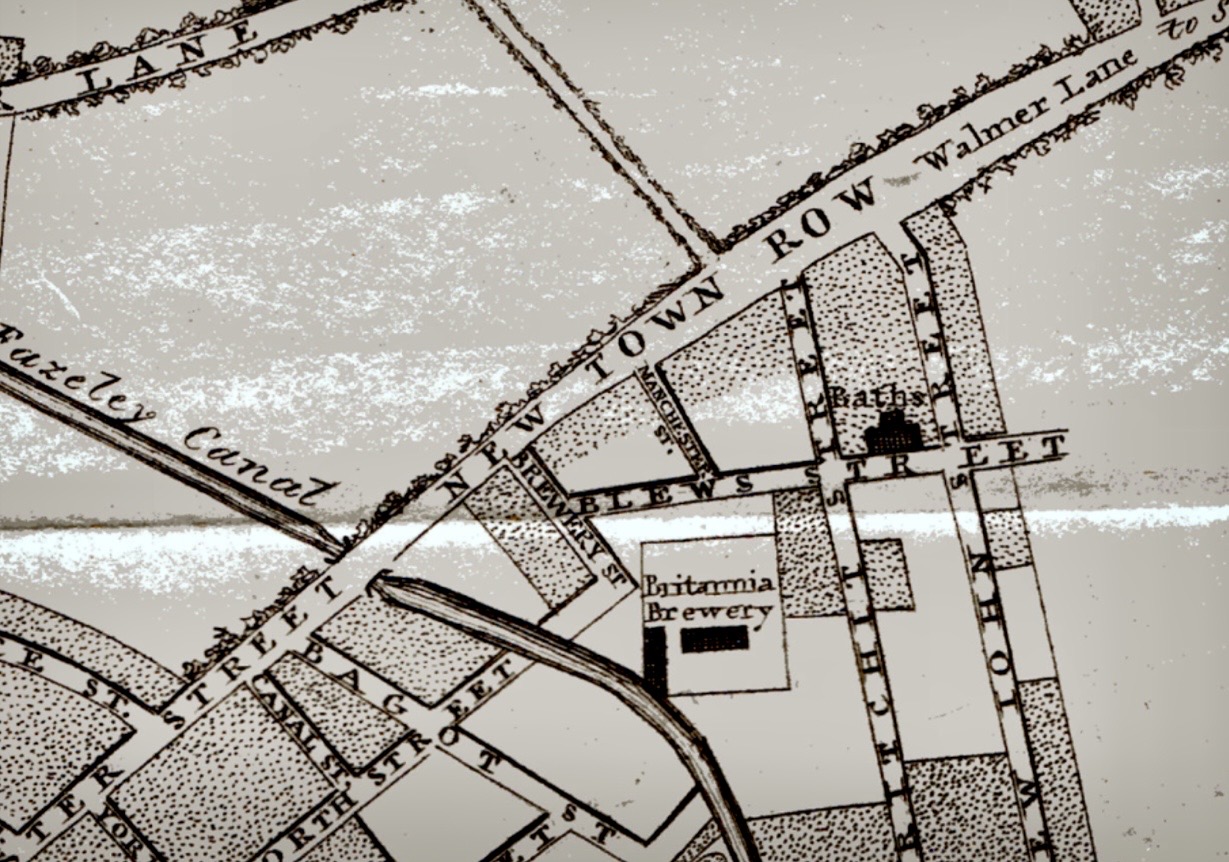
Around 1820, Joseph Fulford (?) was recorded as a ‘Retail Brewer’ on Blews st. This Joseph could be Joseph (1751-), Great Great Great Great Grandfather or his son Joseph (1775-) the older brother of John (1785-).
John Fulford Great Great Great Grandfather (1785-) was born on Blews st with his brothers, sisters and their families living alongside the Britannia Brewery in Birmingham. The area provided a fertile ground for Fulford family members to develop their interests and occupations within the brewing industry.
The Britannia Brewery was one of the earliest Birmingham breweries selling ‘Porter’ as shown on Pyes 1793 & 1795 maps. Situated on Blews st and in the large area at the end of Brewery st, with a wharf directly positioned onto the Fazeley canal.
Canal street was aptly named due to its position next to the Birmingham and Fazeley canal whose waterways pass through and close to Aston wharf, the site of the yet to be discovered ‘Fulford Brewery’, later renamed Holt Brewery due to its position on Holt Street.
These canal systems continue on to Bordesley, Yardley and a wharf in Knowle, Solihull to ‘The Darley Mill’, ‘Barley Mill’. This was a rural area close to central Birmingham, where Fulford brewers were farming, harvesting and milling the barley for the beer. Using the fluid canal systems to send a constant chain of produce to support several brewing empires. The transport network did not use roads or the beaten horse tracks, but relied on waterways with canal barges, the equivalent lorries of their time carrying their precious bulky cargoes.
THE SPRINGHILL TAVERN FULFORDS
Before continuing, another group of Fulford’s have caused some confusion amongst researchers. In Birmingham another John (c.1785-) married Sarah Mathews and had up to fifteen children with two of their sons notably involved in public houses and selling beer.
Son John Fulford (1813-1868) was originally employed as a ‘strip caster’ but later became the Publican at Springhill Tavern Heath Street Sth, Birmingham and until his death at the pub in 1868. In 1871, John’s widow, Mary Anne (?), was listed as a ‘Retail Brewer’ and was still at the Springhill Tavern at the time of her death in 1875.
Edward Fulford (1828-1872) another son of John Fulford (c.1785-) and Sarah Mathews, was listed as a Coal dealer, Publican and ‘Retail Brewer’ between 1861 and 1871 at Ruston street, North Birmingham.
THE ‘WHY NOT’ FULFORDS
Just to complicate matters even further, another John (c.1775-) married Ann nee ‘Hobday’. Several of their sons owned and operated hugely successful Pearl Button manufacturing companies in Springfield Street, Birmingham. Of note, their son James (1807-) had several children, including Samuel James (1842-) who was publican at ‘The Why Not’ Public House on Springfield Street. The pub was named after the famous British thoroughbred racehorse that won the Grand National in 1894.
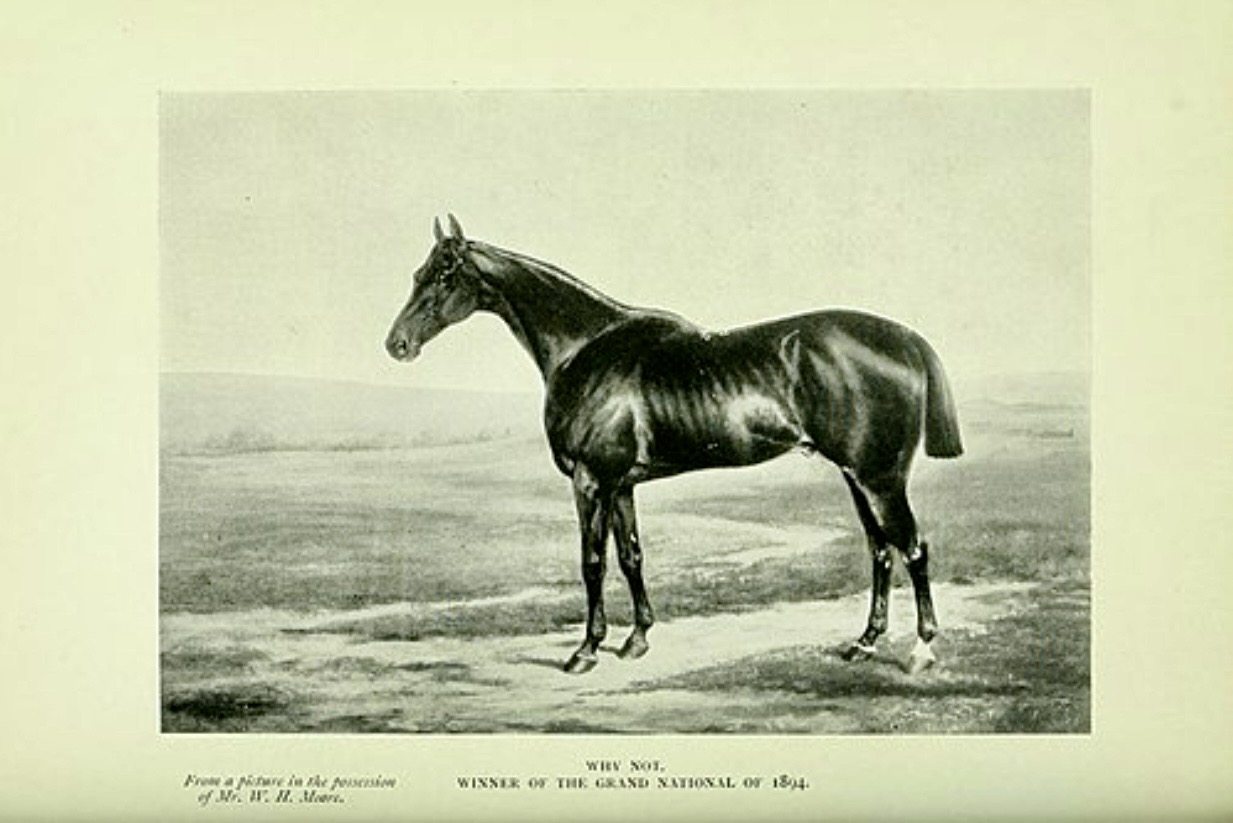
This group of Fulford’s lived in ‘The Fulford Building’ on Springfield street next door to the Why Not Public House.
RETURNING BACK TO OUR MAIN STORY:
“There is something special about seemingly impossible surprise connections, which form perfectly imperfect relationships”
J. Ironwood
THE DISCOVERY OF ‘FULFORD’ BREWERY ON HOLT STREET LATER RENAMED ‘HOLT’ BREWERY
What was now to be discovered would connect our direct lineage brewing Fulford’s, John (1785-) Great Great Great Grandfather and his son Joseph (1812-1868) and his brewing brothers to yet another even more significant and substantial brewing empire, the Fulford Brewers at Fulford Brewery on Holt street.
‘FULFORD’ BREWERY
The first reference to ‘79 Holt Street’, the ‘Fulford’ Brewery, later renamed ‘Holt’ Brewery, on Holt Street was discovered in the 1850 trade directory.
Trade Directory listings 1770-1941
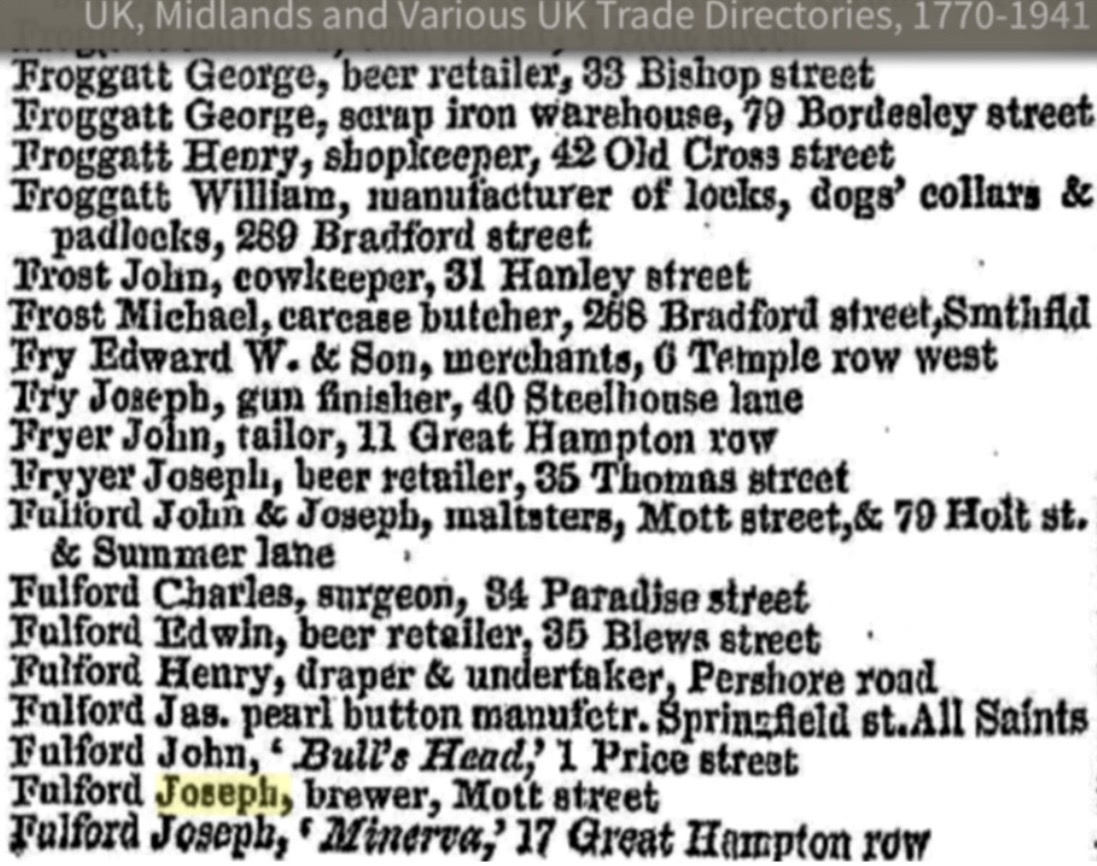
“Fulford John & Joseph, maltsers, Mott st,& 79 Holt st, & Summer lane”.
We see for the first time, John Fulford (1785-) and Joseph Fulford listed at ‘79 Holt street’. This was the address of ‘Fulford’ brewery that later became Holt Brewery which was owned and operated by yet another huge familial line of brewing Fulfords ! This connection was previously undiscovered and heralds the realization that there were two Fulford Family beer empires operating in conjunction, simultaneously and adjacently. Just exactly how they were connected remained a mystery.
THE FULFORD BREWERY/ HOLT BREWERY FULFORDS
Fulford ownership of the Holt brewery had been widely documented but links between the two major lines of brewing Fulford’s had until now remained undiscovered. Many of those involved remained unrecognized and their contributions had been forgotten. It is important to shine a light on their presence and acknowledge their important role. In keeping with family tradition, many of the next generation continued in occupations associated with the brewing industry. Census information highlights close knit families, living and cooperating together with the common aim of farming, malting, brewing and retailing beer.
JOSEPH (1751-) GREAT GREAT GREAT GREAT GRANDFATHER AND ANN WILSON
The answer to how two Fulford brewing empires connected can be explained by taking yet another step back in time to Joseph Fulford (1751-) Great Great Great Great Grandfather and his wife Ann nee ‘Wilson’, the parents of John (1785-) and his brothers.
In history, rather like canal systems, it is possible to move both forwards or backwards, down or upstream. Until now the story has been moving backwards in time but with the discovery of Joseph (1751-) and his wife Ann nee ‘Wilson’, the story stops momentarily to twist, turn sharply, and return back to move forward..
Joseph (1751-) was a farmer, and his occupation is stated clearly on his son John’s (1785-) marriage certificate to his second wife Mary. In 1785, Joseph Fulford was lending his land for flax growing to Daniel Chattaway of Berkswell. Later, Henry Fulford (1818-1889), at The Vine Public House, son of John Fulford (1785) married Elizabeth Chattaway (1818-1880).
Fulford families frequently connected with other prominent families via marriage, business dealings, farming, land agistment and adjacent land ownership.
The parentage of Joseph (1751), the patriarch of the brewing legacy has not been established. However, another Fulford family paid a professional genealogist who confirmed that Joseph Fulford (1751-) and Anne Wilson are the parents of John (1785-) and his other brewing brothers. It was also determined that John (1785-) and Ann Hall are the parents of Joseph (1812-1868), Henry at The Vine etc. The current author arrived at this same conclusion via independent research lends a further degree of certainty to these blood lines.
THE CHILDREN OF JOSEPH (1751-) AND ANN WILSON
Joseph (1751-) and Ann nee ‘Wilson’’s children unlock the secret of how the two Fulford brewing lineages connect.
There were five Fulford, brothers, Joseph (1775-), Thomas (1783-), John (1785-), William (1786-) and Richard (1789-).
The Minerva Brewery, Mott street was operated by John (1785-) and his son Joseph (1812-1868).
The Empress Brewery and other breweries were operated by William Henry Fulford (1844-1909), the son of Joseph (1812-1868).
William’s (1844-1909) brother Samuel Fulford (1851-1920), Great Grandfather, was brewing primarily soft drinks at ‘The Lion Mineral Water Works’, (John (1785’s) grandsons).
John’s (1785) younger brother Richard Fulford (1789-)’s son, Henry Charles Fulford (1823-) created ‘Fulford Brewery’, later Holt Brewery on Holt street with brother William (1786) also involved.
JOSEPH FULFORD (1751) AND ANNE NEE ‘WILSONS’;
FIVE BREWING SONS
So not long after the presence of real cavaliers in Birmingham, five brewing ‘musketeers’ emerged. Joseph (1751-) and Ann nee ‘Wilsons’ five sons were all employed in occupations associated with pubs and the brewing industry.
JOSEPH (1775)
THOMAS (1783)
JOHN (1785-1859)
WILLIAM (1786)
RICHARD (1789-c.1847)
(1) JOSEPH FULFORD (1775-) Maltser
In 1818, Joseph Fulford was recorded as grocer and maltster in Bradford st, Deritend, the market center of developing Birmingham, (Wrightson’s Triennial Trade Directory records of 1812 and 1818). As previously mentioned, Joseph Fulford (1775) or father Joseph (1751-) may represent one of the earliest Fulford Maltsters currently discovered and the ‘Retail Brewer’ listed on Blews street around 1820.
(2) THOMAS FULFORD (1783-) Farmer
Thomas (1783) was an agricultural labourer, farmer and horsebreaker who lived with wife Fanny at Warren Farm, Handsworth. In 1851, his nephew Joseph Fulford (1812-1869) and family moved next door after previously living at their Minerva Brewery. Thomas, like his father Joseph, grew the crops to make the beer. After initial occupations as ‘wire drawers’, two of Thomas’s sons became publicans. John Fulford (1819-1877) became the publican of the Leopard public house, Birmingham. John (1819-1877) married the previous Landlord’s daughter and his son William Fulford (1826-1874) became publican of the Witton Arms.
(3) JOHN FULFORD (1785-1859) Brewer, Publican, Victualler
John Fulford (1785) and his son Joseph (1812-1868), began as maltsters and progressed to own and operate the Minerva Brewery on Mott street around 1841. As discussed earlier, son Joseph (1812-1868), migrated from Birmingham to Manchester some time after 1860 with his son William Henry Fulford (1844-1909), establishing the Empress Brewery in Manchester around 1884. Joseph’s (1812-1868) son Samuel (1851-1920) also established the Lion Mineral Water Works on Plymouth Grove, Manchester.
(4) WILLIAM FULFORD (1786-) Publican
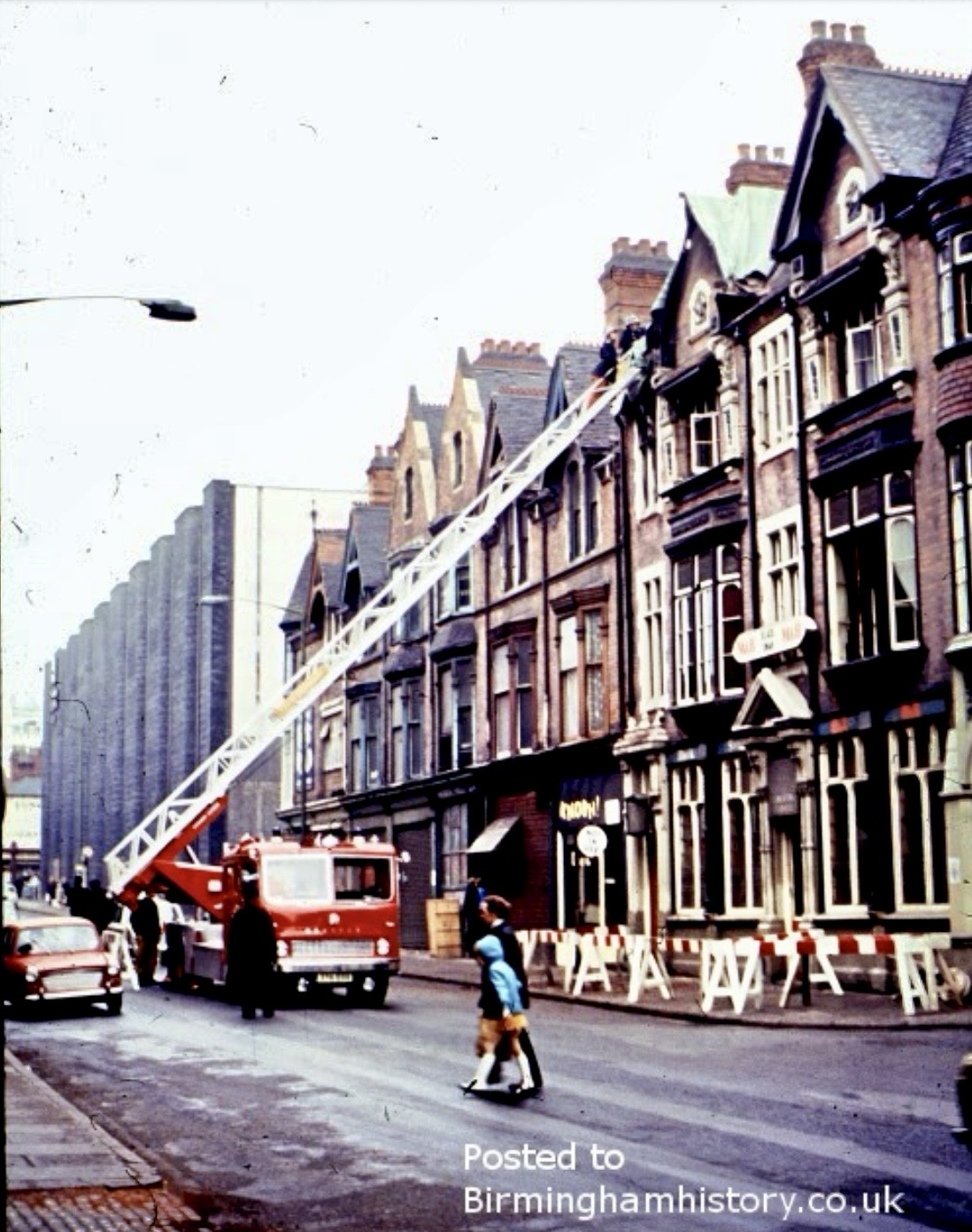
THE BLACK SWAN, 8 BROMSGROVE ST, BIRMINGHAM.
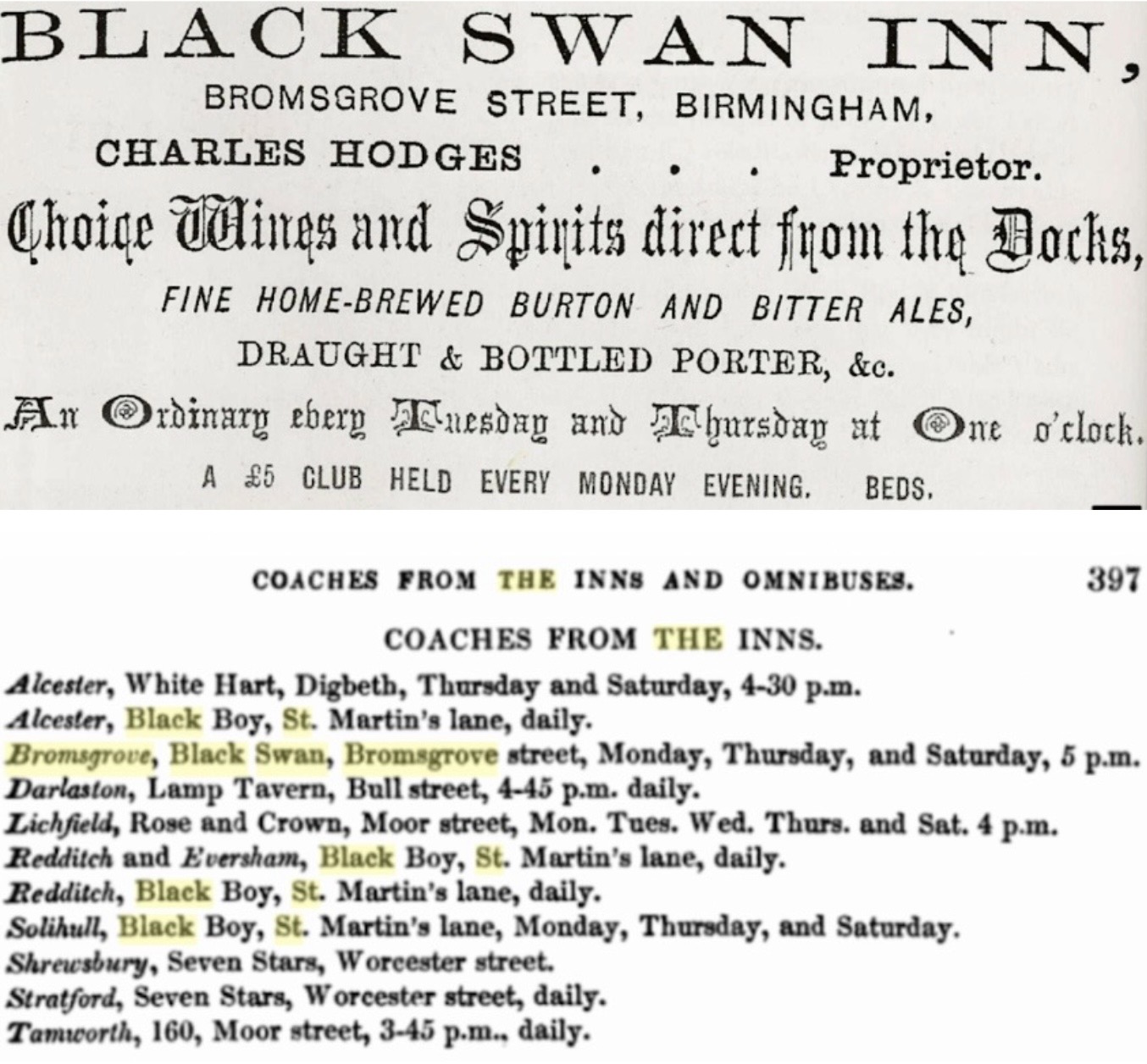
William (1786-) son of Joseph (1751-) and Ann, was licensee of The Black Swan Public House and Inn, 8 Bromsgrove St, Birmingham from 1827 to 1849, a time frame spanning twenty two years.
THE BLACK SWAN PUBLIC HOUSE
William (1786-) married Jane nee ‘Barker’ (1792-1823) on 17th June 1817 and the couple had 3 children, Mary Ann (1817-), George William (1821-1891) and William (1823-1823). Wife Jane (1792-1823) died on Holt st, aged only 31 on the 20th October 1823, with their son William died in the same year in the April of 1823.
William (1786-) was succeeded at the Black Swan by son George William (1821-1891) who married cordwainer Richard Hubbard’s daughter, Louisa Hubbard in August 1844. George continued to operate the pub for another six years until 1855.
It is unclear what happened to wife Louisa and their baby William (1846) but George William (1821-1891) emigrated to Australia and married Mary Jane ‘Sheedy’ (born @1836) on the 8th February 1853 at St Patrick’s Catholic Church, Kilmore, Victoria.
ADVERTISEMENTS AT THE BLACK SWAN PUBLIC HOUSE
(5) RICHARD FULFORD (1789-c.1847)
FULFORD/ HOLT BREWERY FAMILY
FULFORD BREWERY
later THE HOLT BREWERY COMPANY LTD,
now THE GOSTA GREEN PUBLIC HOUSE,
72-79 HOLT ST, GOSTA GREEN, BIRMINGHAM.
THE HOLT BREWERY PREMISES

Courtesy: Breweryhistory.com, The Holt Brewery premises.
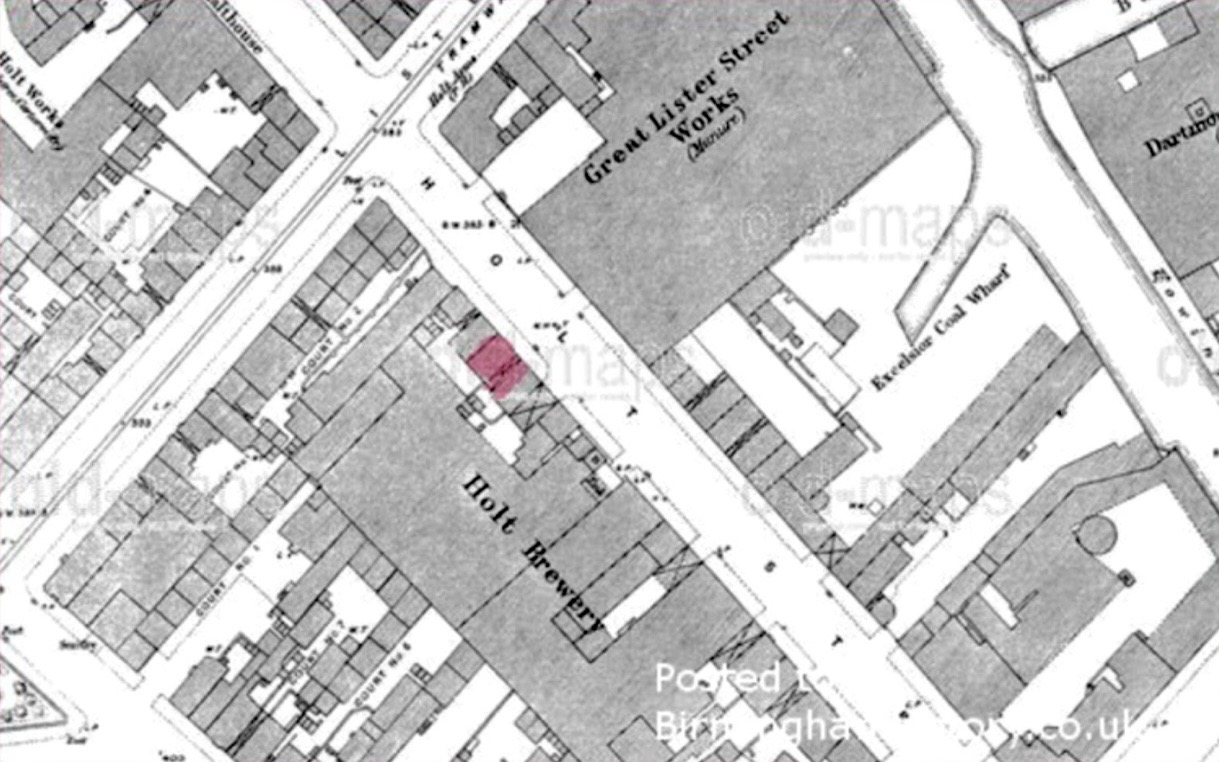
Fulford Brewery was often referred to as ‘Aston Brewery’ and was located at 72-79 Holt St, on the corner of Holt and Lister Street.
The Malthouse ‘Holt Works’ (see top left on the 1889 map) was on a separate production site from the Holt Brewery and on the other side of Lister Street. See below ;
The Holt Brewery was enormous and operated throughout the Victorian era with 250 tied public houses and over 300 outlets in Birmingham and the Midlands. It’s estimated that at its peak, the brewery produced in excess of 3 million pints of pale ale per week.
An economic depression in the 1870s enabled larger brewers, like Fulford brewery, to gain a large market share by buying out many of the pubs operating in-house breweries who were struggling to compete.
“In Birmingham the Holt Brewery Company were at the forefront of this movement – No doubt helped by the fact that Henry Fulford, a large shareholder, was a member of the Town Council for Nechells and Chairman of the Markets and Fairs Committee.”
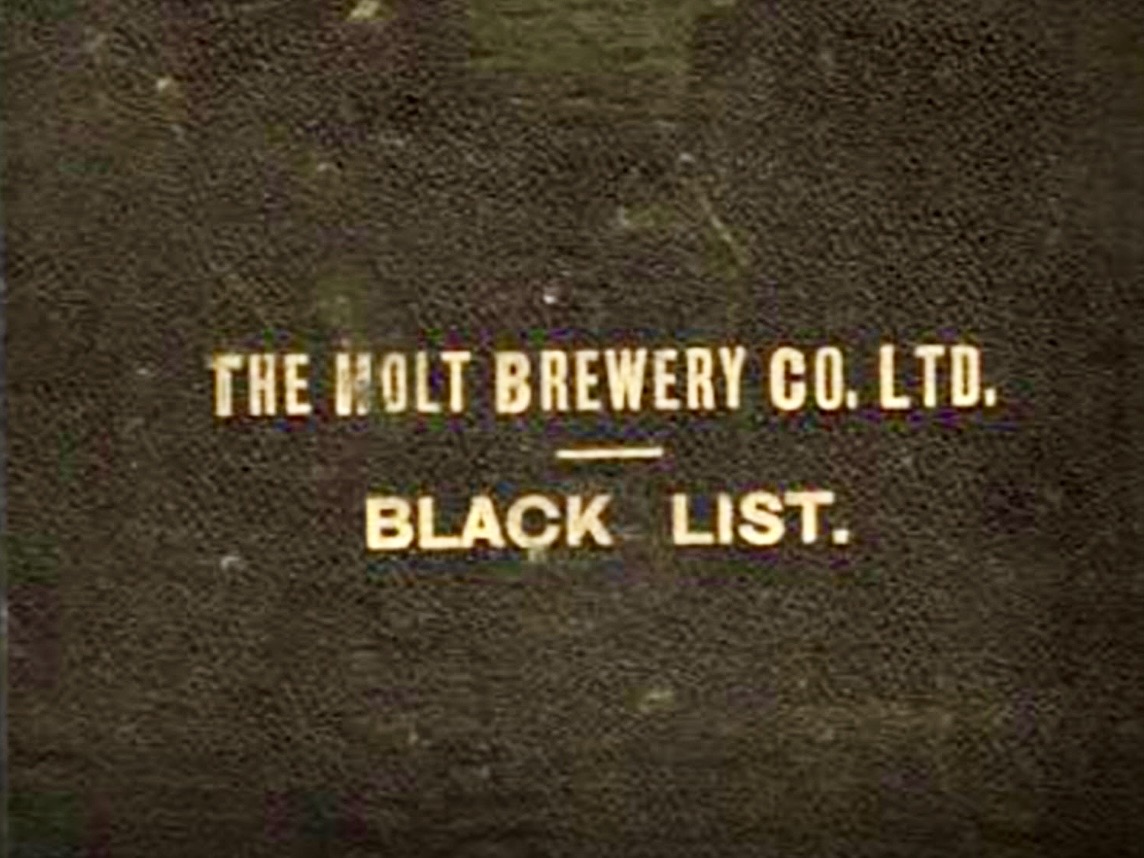
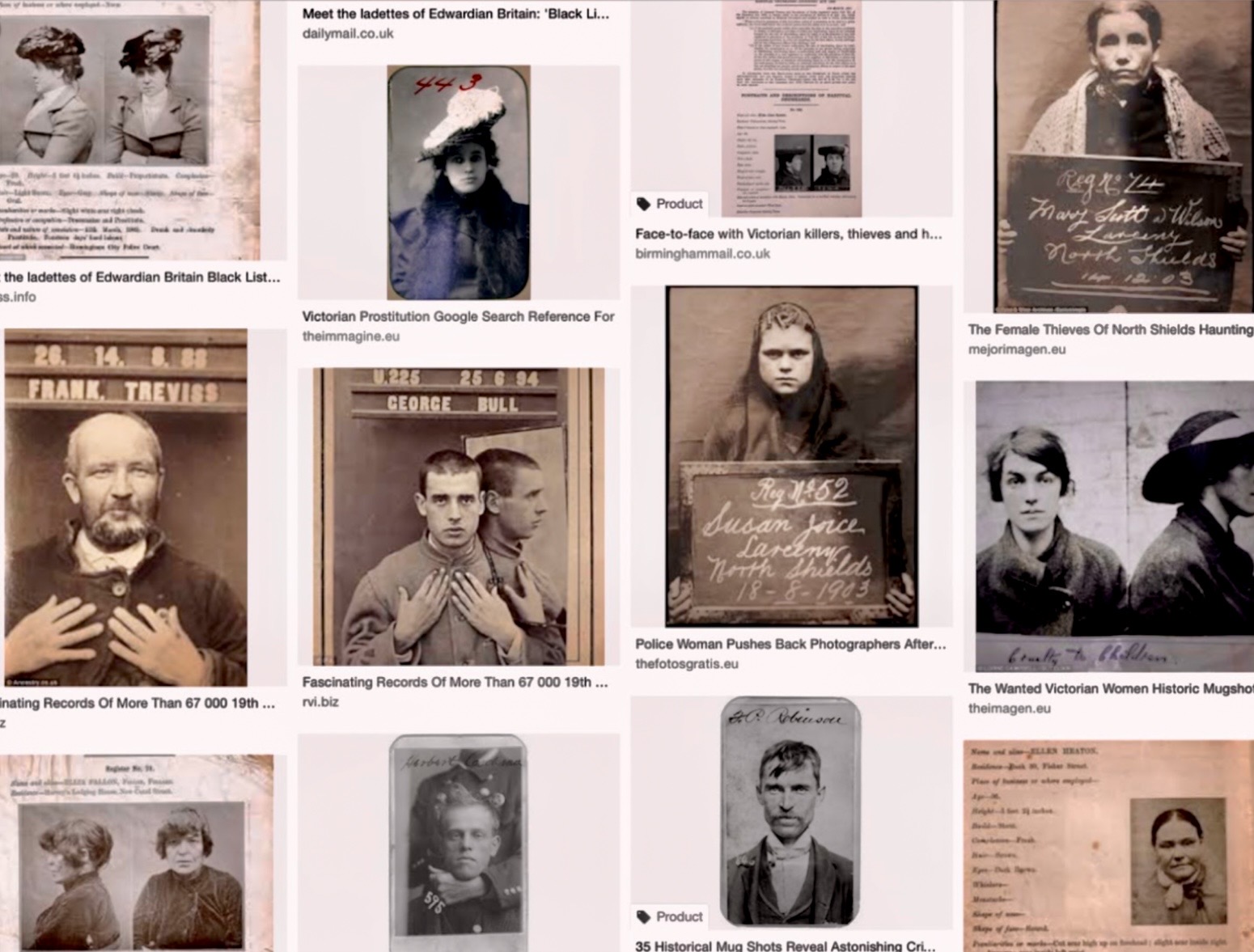
The Holt brewery grew so large that in 1902 it introduced its ‘Black List’, a book which displayed lists and photographs of banned drunkards and ‘wayward characters’ who were forbidden from entering any of their 250 Holt public houses. Any reentry incurred heavy penalties.
THE HOLT BREWERY BLACK BOOK FRONT COVER
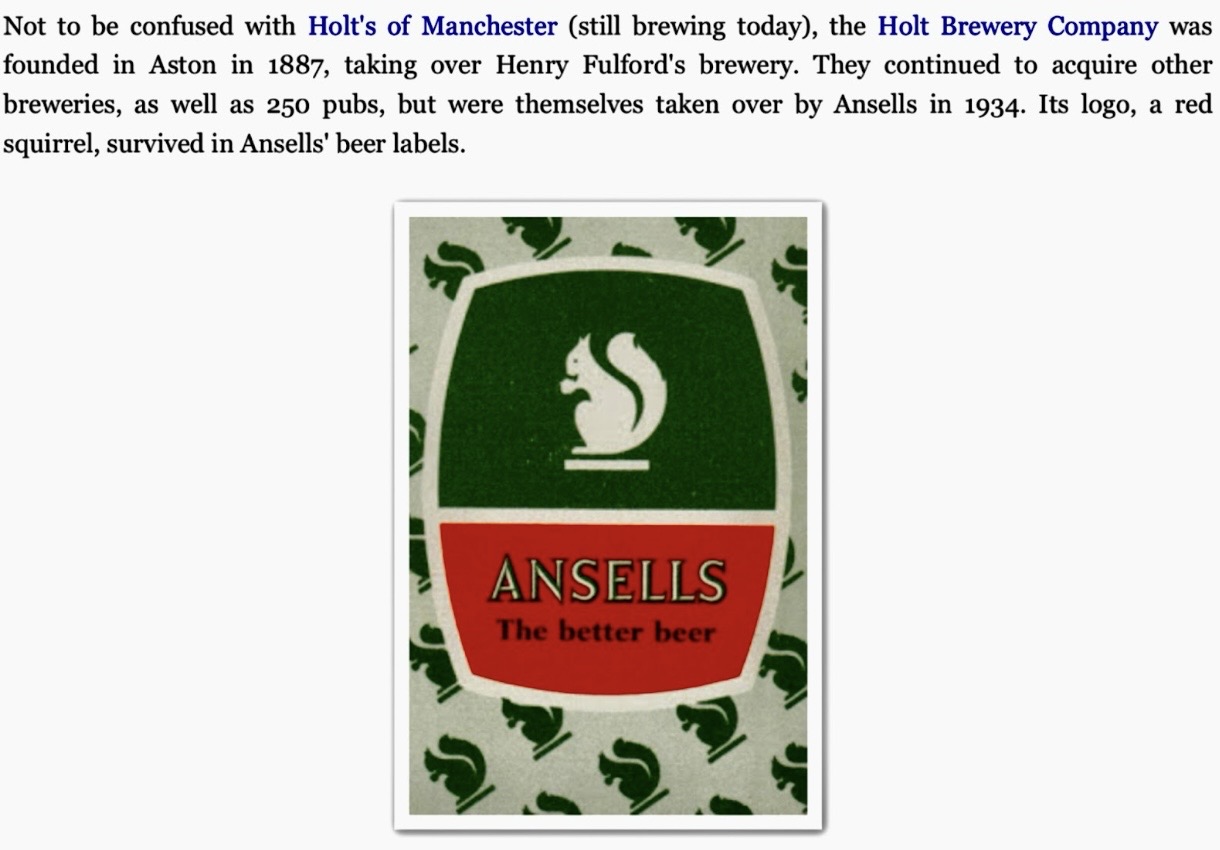
In 1934 the Holt brewery succumbed to a takeover by Ansell’s who retained the Holt building and the Holt squirrel emblem. The Holt brewery used an underground spring to supply the water for their beer and it was renowned for its purity and taste. These factors were adopted and undoubtedly contributed to Ansell’s continued success but sadly the site closed in 1972.
“A lot of Birmingham’s beer came from inside the semi-automatic brew house at Ansell’s No.2 brewery, Gosta Green. This was the old Holts brewery, rebuilt in 1965 but closed just seven years later (the offices becoming the Pot of Beer pub)”. Birminghamhistorysociety
FULFORD BREWERY & THE HOLT BREWERY FAMILY
RICHARD FULFORD (1789-c.1848) MALTSTER
son
HENRY CHARLES FULFORD (1823-1886) FULFORD BREWERY
son
HENRY CHARLES FULFORD (1850-1897) HOLT BREWERY
daughter
CATHERINE FULFORD (1880-1960) M.B.E.
RICHARD FULFORD (1789-c.1847)
Richard Fulford (1789-c.1847), son of Joseph Fulford (1751-) ‘farmer’ and Ann nee ‘Wilson’, married Elizabeth nee ‘Woodward’ (1801) on the 18/6/1817 in Aston Juxta. Richard was a maltster on Holt street in 1848.
“The family malting business had been founded as early as 1819, according to the Brewers Journal (15th March 1877).
Joseph McKenna; Birmingham Breweries pg.71
THE CHILDREN OF RICHARD 1789 AND ELIZABETH NEE ‘WOODWARD’
RICHARD FULFORD (1821-) CORN MERCHANT
Son Richard (1821-) was a corn merchant. Corn was a primary ingredient for beer and Richard would had an important role within the beer making industry. Italian beer such as Peroni uses corn as a main ingredient or adjunct grain alongside malted barley to lighten the beers body and colour, adding a crisp finish and subtle sweetness to pale ales and lagers.
JOSEPH FULFORD (1827-) MILLER
Joseph (1827) was the son of Richard and Elizabeth Woodward. In 1851 he was a Miller and by 1861 a maltster operating on Millfield Lane, Millfield, Walsall. He was likely to be using Highgate Mill and the Malthouse directly opposite. Joseph (1827-) married Caroline and had two children. daughter Emma Louisa and son Joseph W. Later, Joseph (1827) was later employed as a Mercantile accountant.
HENRY CHARLES FULFORD (1823-1886)
Henry Charles Fulford (1823-1886), son of Richard and Elizabeth Woodward established Fulford Brewery on Holt street around 1872. Henry Charles (1823-1886) was a Retail brewer in Acocks Green between 1875-6, with business addresses at 152 Dartmouth street and Holt street in 1883.
Henry Charles (1823-1886) married Elizabeth nee ‘Rochford’ who was the daughter of Phoebe Matthews (b.1796 in Lullington). Phoebe was the adopted daughter of Martin Farnell of Coton-in-the-Elms (b.1747 in Appleby Magna) who was, “High Sheriff of Derbyshire” in 1789.
After Henry’s death, the Malt Shovel Public House, which included a Malthouse at 152 Dartmouth Street was listed for sale in 1889 by Henry’s son, ‘Henry Charles’ (1850-1897). This is not the same Malt Shovel public house on the corner of Coventry Rd and Muntz street which was another Holt owned public house still in use as a retail outlet. See Fulfordbrewers.com ‘Holt Pubs’.
HENRY CHARLES FULFORD (1850-1897)
HOLT BREWERY AND LIBERAL POLITICIAN
Occupation: Brewer: Holt Brewery, Politician
Residence: 1880 Edgbaston and London
Married: Mary Agnes (1756-1938)
Notable Children: Catherine Fulford (1880-1960) M.B.E.
HENRY CHARLES FULFORD (1850-1897)
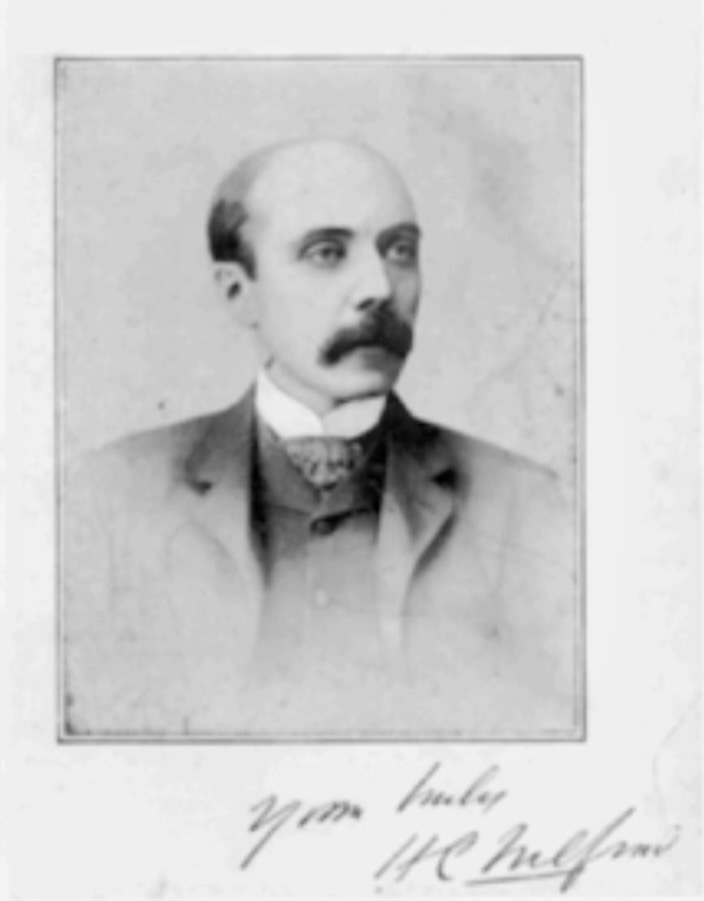
Fulford brewery was renamed Holt Brewery in February 1887 by Henry’s (1823-1886) son, ‘Henry Charles’ (1850-1897) who founded and managed the brewery, together with his brother-in-law Walter Hodgkinson (1840-1935).
After his fathers death, Henry (1850-1897) maintained his role as manager of the Holt Brewery as well as becoming a Liberal politician during a period of great change and social reforms in Birmingham.
His obituary refers to him as;
“Mr. Chamberlain’s chief opponent at Birmingham”.
Extract from the “Daily Mail” Special in detail below. The reference to Neville Chamberlain (1869-1940), the somewhat unpopular Conservative Prime Minister who held office from 1937-1940 who was succeeded by Winston Churchill.
An article by FindmyPast2026 titled;
“Neville Chamberlain sometimes remembered as the Prime Minister who fatally failed to stand up to Adolf Hitler but is this legacy fair ?”
Refers to how Winston Churchill said to Chamberlain,
“You were given the choice between war and dishonor. You chose dishonor, and you will have war”.
Henry Fulford (1850-1897) spent a great deal of his own money trying to establish the Liberal parliamentary seat of Birmingham East in 1892 and Lichfield, Staffordshire in 1895. On both occasions he narrowly missed election success.
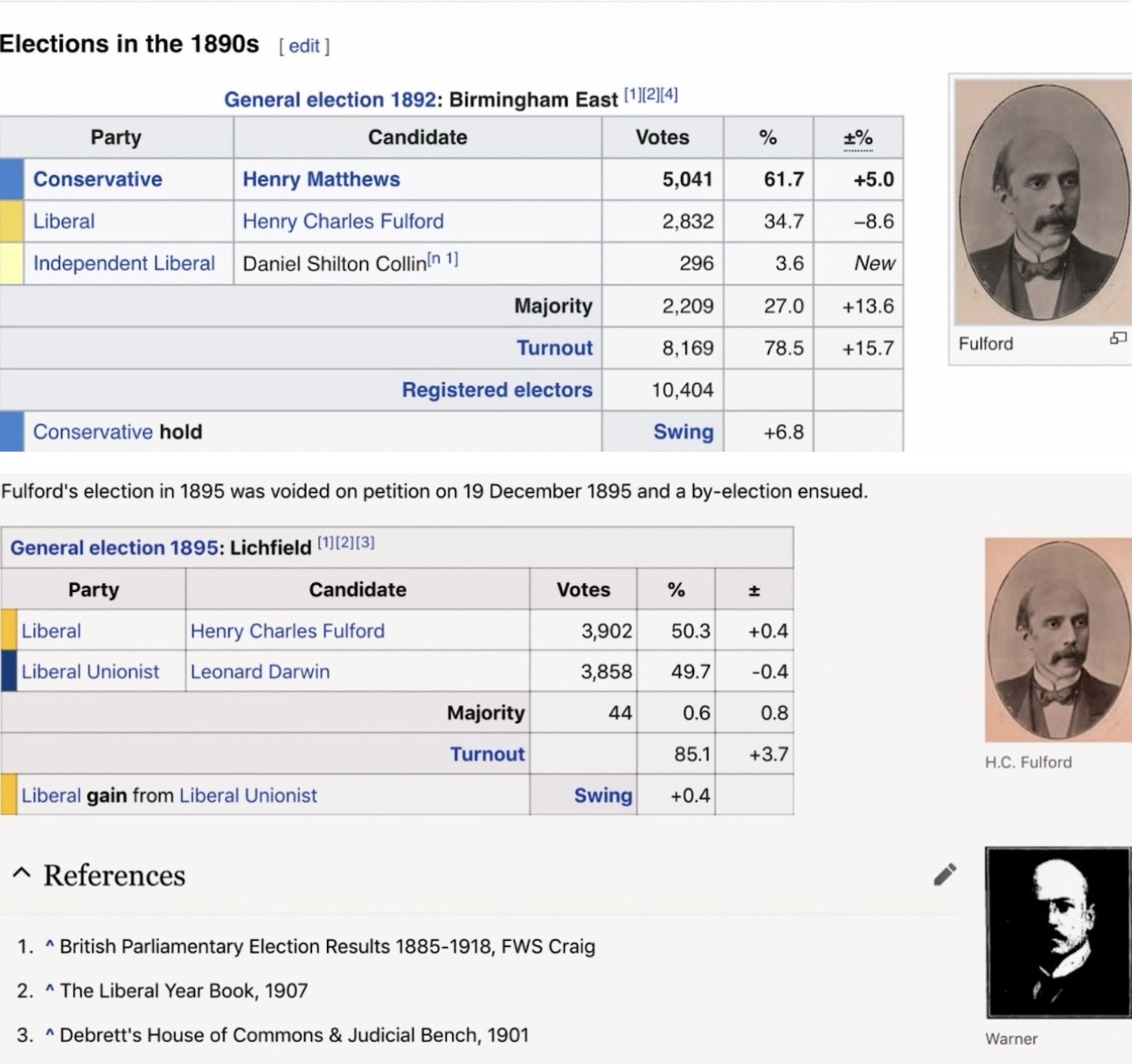
“Henry only narrowly missed parliamentary election when an independent candidate stepped forward and split the vote at the last minute”.
THE GARRICK
Despite being teetotal, Henry Charles (1850-1897) created a popular Birmingham club called ‘The Garrick’, which held musical events and operated an honesty system for those who drank and socialized there.
UNTIMELY DEATH
Sadly, in 1897, just a year after his last electoral failure, he met with an untimely death of the then incurable consumption (Tuberculosis) in Cairo, Egypt. He was aged just 48 and his death was caused by overwork within the cold damp conditions of Birmingham.
HUGE INHERITANCE
Henry Charles Fulford (The Holt Brewery) (1850-1897) passed £422,151,11s, 2d., the equivalent of over 55 million pounds in today’s money to his widow.!
OBITUARY
His obituary details his benevolence and highlights a career recognized and honoured posthumously by the ‘American Brewer’s Review’ and the London Daily Mail Newspaper in 1897.
OBITUARY : Wednesday January 20th 1897
London Daily Mail newspaper archives, Jan 20, 1897,p.3.
‘AN UNLUCKY POLITICIAN
THE LATE MR H.C. FULFORD’
(“Daily Mail” Special.)
“The death was announced yesterday of Mr. Henry C. Fulford, whose election as Liberal member for the Lichfield division two years ago was followed by a petition, as the result of which he was unseated. The night meetings he held during that campaign affected his lungs, and he went to Egypt, but galloping consumption set in, and he died early yesterday morning at Cairo. He was the financial mainstay of Birmingham Liberalism, and as far as anyone could be so called, he was Mr. Chamberlain’s chief opponent at Birmingham.
Mr. Fulford’s was one of the most pathetic political careers ever known. His heroic struggles to get into Parliament, which were at Lichfield the direct origin of his fatal illness, and which had included an effort at East Birmingham in 1892, appeared to have,
COMMANDED SUCCESS AT LAST,
When in 1895, the returning officer for the Lichfield division of Staffordshire announced the result of the poll as follows:-
Fulford .. .. .. .. .. 3,902
Darwin .. .. .. .. .. 3,858
Mr. Fulford was reputed to have spent some £7,000 upon achieving this victory; but it proved to be but Dead Sea fruit after all, the petition which was brought being decided against him. Although personally a teetotaller, Mr. Fulford was formally a brewer, and owned a number of public houses all round the Black Country. He was very well-to-do, and a most amiable and companionable man. Indeed, he had the reputation of being as good a man at an all night social gathering as any man in Birmingham, where he would not lack competitors. There was nothing at all to be said against him outside of his Glastonianism. He founded and maintained one of the pleasantest clubs in Birmingham. This was The Garrick
THE GARRICK
“It owned but small premises, and did without servants, the members helping themselves to what they required out of a cupboard, and placing the equivalent coin in a capacious basin. Many members kept their musical instruments in this club, and impromptu concerts were held occasionally after the rest of Birmingham had gone to bed. Besides subsidizing Liberalism in Birmingham, Mr. Fulford fostered local science, by setting up Dr. George Gore in a thoroughly well appointed laboratory, and keeping him continually engaged upon experimental chemistry and scientific research.”
HENRY’S SISTER CATHERINE FULFORD (1845-1906)
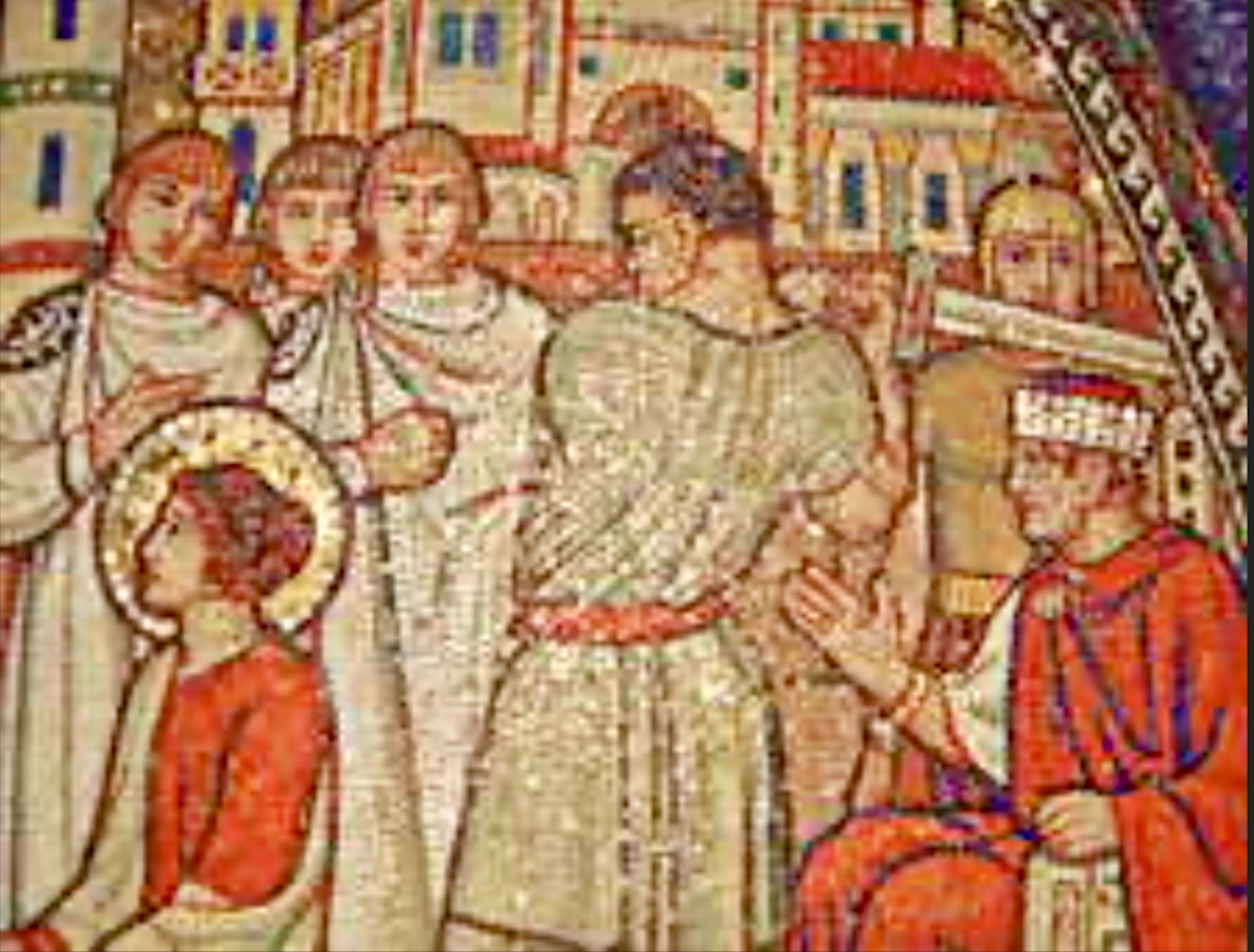
Henry’s sister Catherine (1845-1906) married Walter Loveridge Hodgkinson (1840-1935). Walter founded The Church of the Sacred Heart and Saint Catherine of Alexandria in Droitwich Spa, Worcestershire. This church is a fine Grade ll listed building containing stunning mosaics and sculptures.
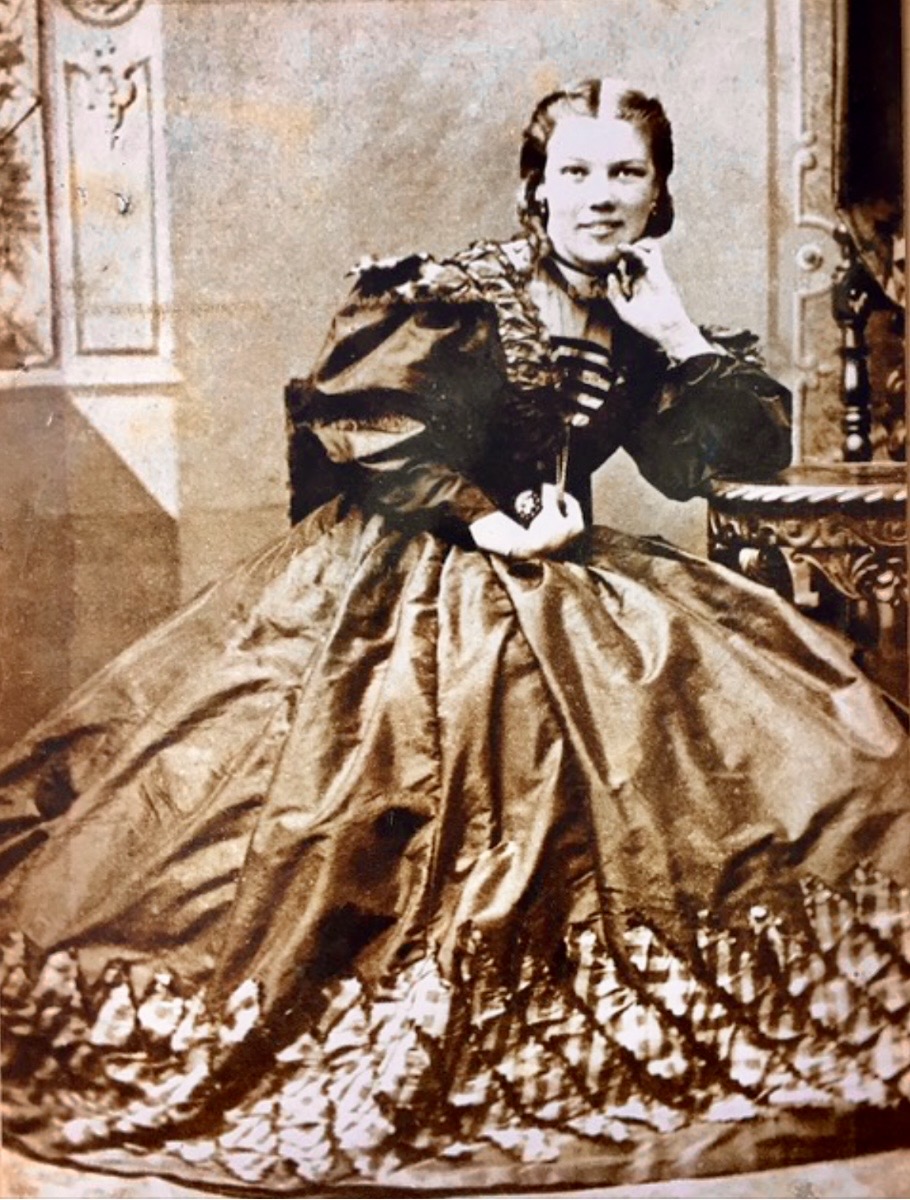
Within the chapel there is an image of Saint Catherine’s beheading and the artist who created this image copied Catherine Hodgkinson’s, nee ‘Fulford’s’ facial likeness onto the Saint in this mosaic.
WALTER HODGKINSON (1840-1935)
CATHERINE FULFORD’S HUSBAND
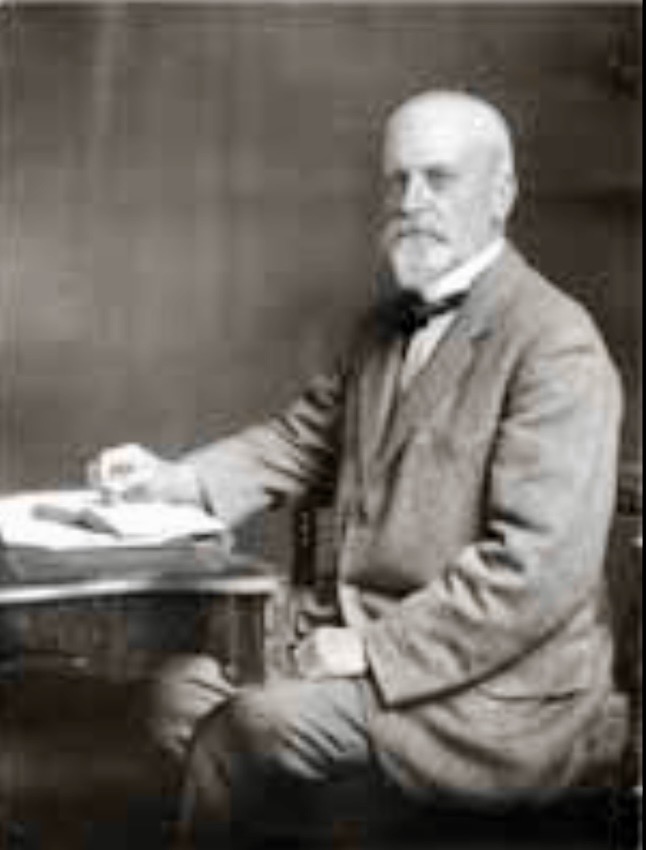
After Henry Fulford’s (1850-1897) death and as a result of Walter’s marriage to Catherine Fulford, Walter acquired a half share in the Holt Brewery Company.
Walter was Chairman of the Holt Brewery, the Metropolitan and Carriage Wagon Company and also director of Tubes Ltd and Alldays and Onions Ltd.
Walter Hodgkinson continued the operation of the Holt Brewery until the takeover by Ansells in 1934 which continued until the breweries demise in 1974.
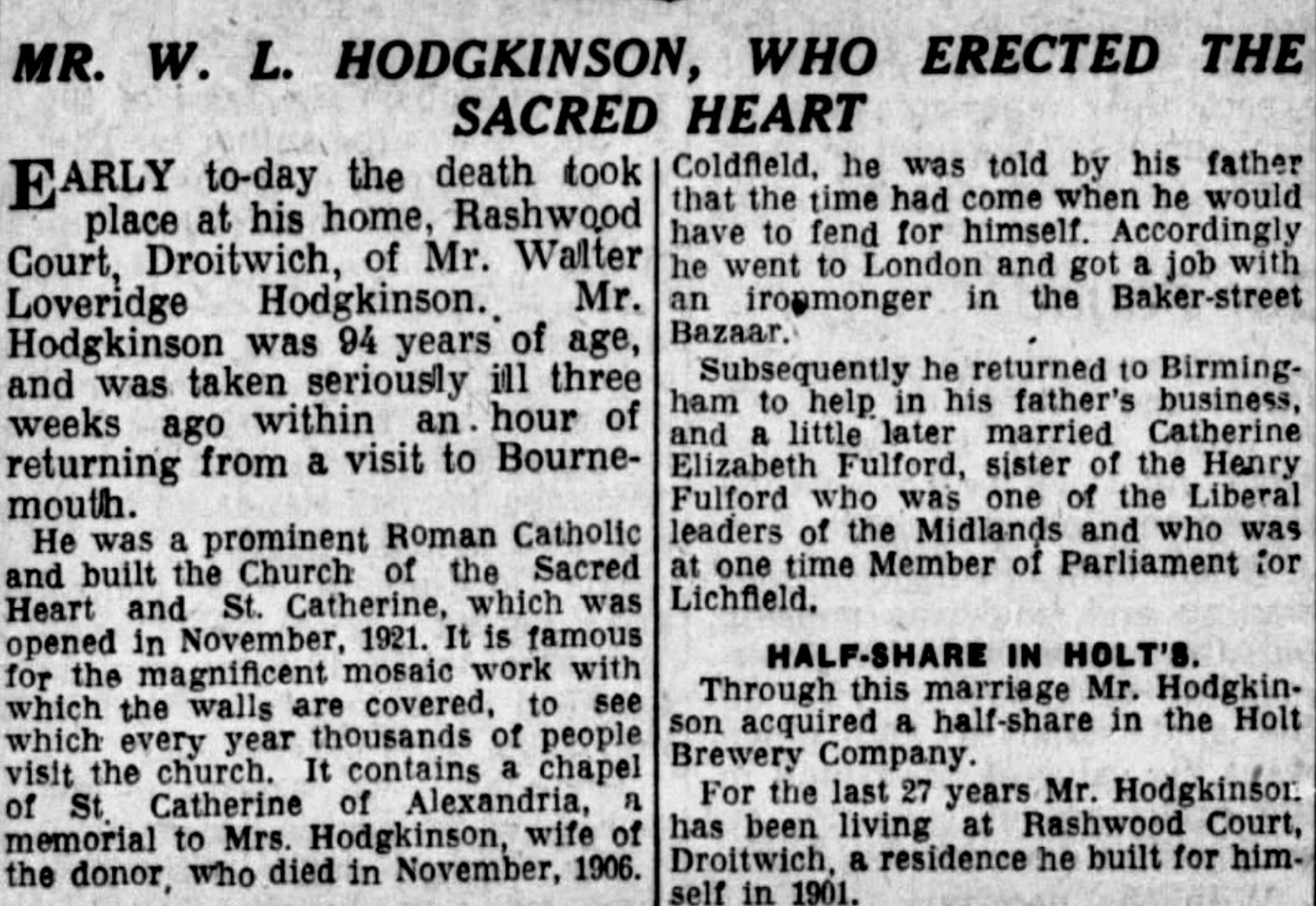
Of note Catherine and Walter’s son, H.R. Hodgkinson was a well known Birmingham solicitor, a prominent member of the Birmingham archaeological society, who also published several books including, “Notes on the History of Midlands Waterways” in 1913.
Information courtesy of Birminghamhistory.co.uk
DAUGHTER OF HENRY CHARLES (1850-1897)
DAME CATHERINE FULFORD (1880-1960) (M.B.E.)
DAME OF THE BRITISH EMPIRE (D.B.E)
(Great granddaughter of Richard Fulford (1789-c.1848)
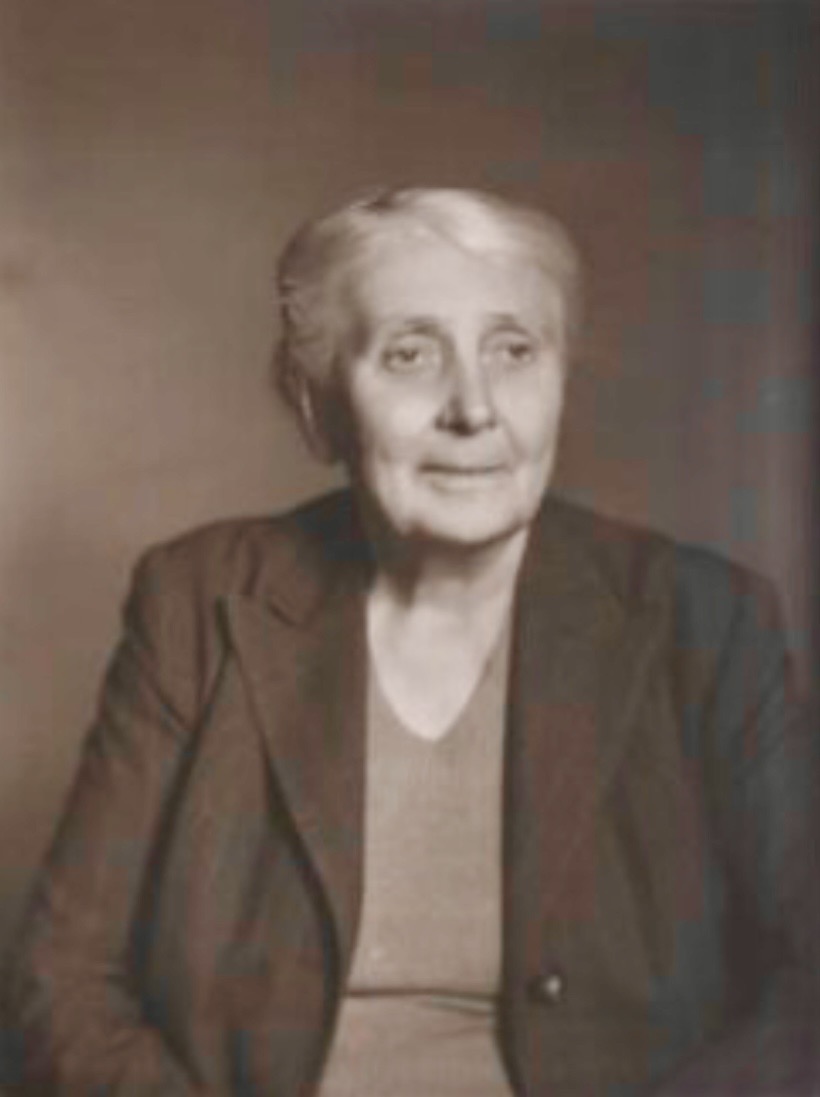
Following in her fathers footsteps, the daughter of Henry Charles Fulford (1850-1897), and her mother Mary Agnes, Catherine Fulford (1880-1960) was an Alderman and Conservative Politician who received the highest accolades.
Catherine was awarded an M.B.E. (Member of the British Empire) in 1920 for her role as Honorary Member and Secretary of Fulham Local War Pensions Subcommittee.
Later in 1953, as part of the Coronation Honours, Catherine was made a Dame of the British Empire, for her role as a social worker with post war victims and her numerous other political and public services in London.
Her occupation as an Alderman (in England before 1974), defines Catherine as a member of a county or borough council, next in status to the Mayor.
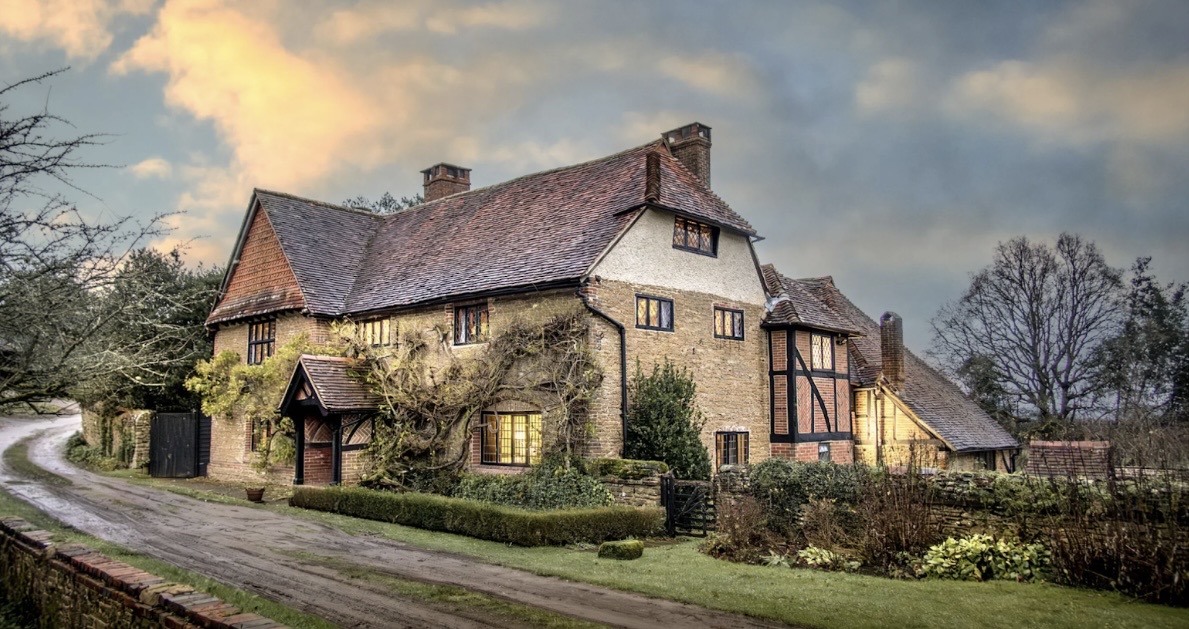
Catherine’s home Emley Hill Cottage, Surrey 1960
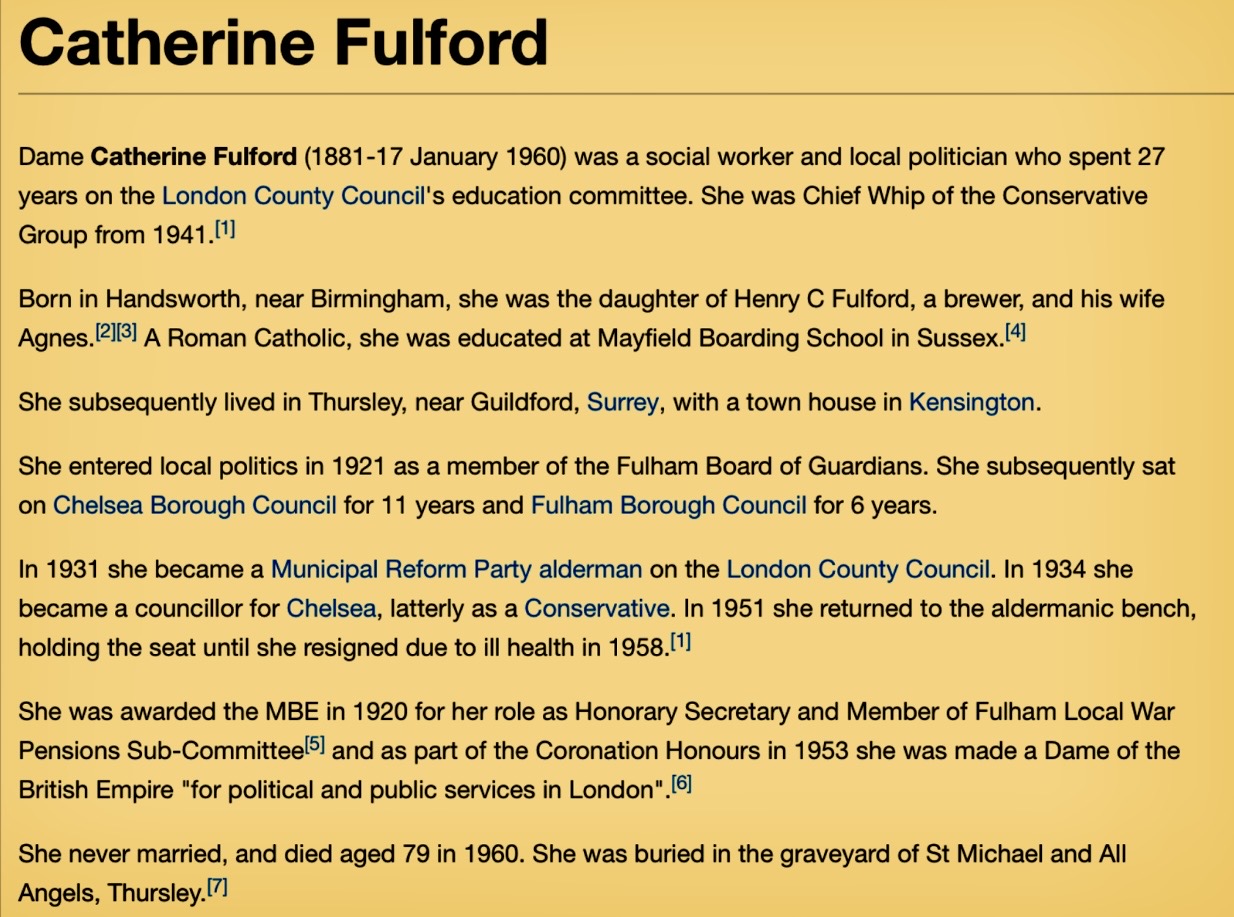
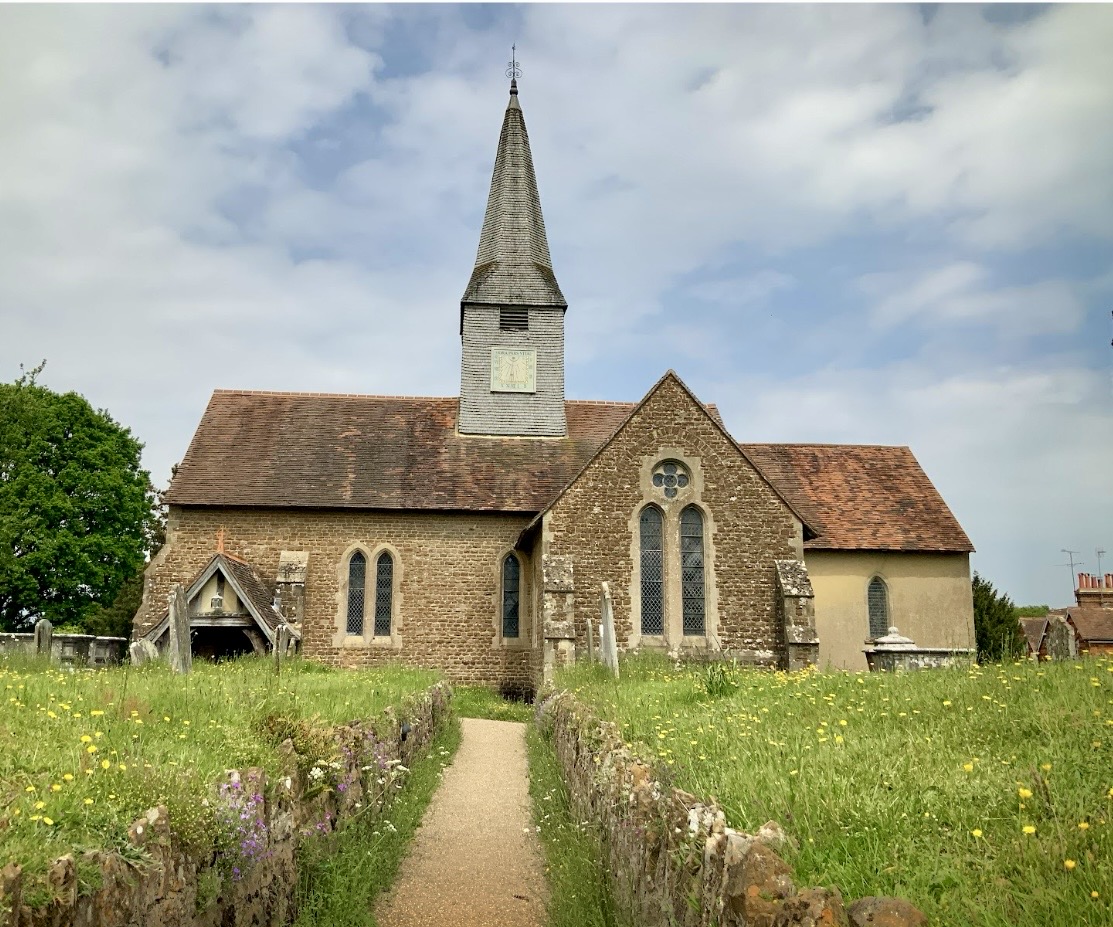
THE HOLT BREWERY PUBLIC HOUSES
“In wine there is wisdom, in beer there is freedom, in water there is bacteria” c.1779
Benjamin Franklin (1706-1790) American printer, publisher, author, inventor, scientist and diplomat.
Pubs and their cultures may be viewed as a representation of wider society, encapsulating different themes indicative of that particular time in history. Public houses were often named after important events or nearby industry. As such, the Holt public houses have their own established place in history and act as markers of particular trends and social events. This was notably the case in industrial Birmingham.
Reflecting on the public houses of the past and their inherent, sometimes infamous stories, we are offered a window into time and a unique view of past history and pub culture. The Holt pubs were no exception, representing a microcosm of larger society and covering so many different facets. Despite the loss of so many Holt pubs a large number of photographs and stories have survived. A significant number of the 250 public houses are still operational and display the signs and signatures of the Holt Brewery Company, notably the endearing squirrel trademark. A comprehensive collection of photographs and stories are listed in a separate chapter ‘Holt Public Houses’.
Sadly, also so many Holt public houses have been lost, mostly demolished for new roads or housing estates but some have been ravaged by fire or some other misfortune. Too few have survived but some are renovated, renowned and celebrated like the wonderful Bearwood Hotel, Smethwick, Birmingham. Often these wonderful ancient buildings effectively preserve pub history, containing features like secret ‘snugs’, smoked glass and privacy screens. At the time of writing there were under 50 of the original 250 Holt pubs remaining and most are still pubs, enjoyed by pub goers with some buildings repurposed. The pubs still ‘pulling pints’ are shown with photographs and associated stories in ‘Holt Pubs Still Open’.
BACK TO THE ‘HUMBLE’ BEER….
SUCCESS AND POPULARITY
Let us not forget the beer. Using the catchphrase,
‘For the Men of the Midlands’,
as coined by Mitchells’s and Butler’s, another major Birmingham beer producer. The British are a nation of beer drinkers and beer is arguably an intrinsic part of our culture. The quality of the beer produced most often determined the success of the pub where it was sold.
‘The success of an 18th and 19th-century London pub was almost entirely dependent on the quality of porter they sold, as it was the first mass-produced beer style and the dominant drink for working-class patrons. ’‘Porter a Brief History’ Falstaff
Breweries, pubs and the beer they served, were longstanding entities within most if not all main British cities. The Midland breweries in both Birmingham and Manchester, were particularly successful, producing great quantities of beer..
With the onset of the Industrial Revolution, starting in Manchester (1760-1830), and the world’s first steam engine created in Smethwick, Birmingham, there followed enormous changes within British industry which undoubtedly influenced production and promoted positive improvements in brewing and the distribution of beer.
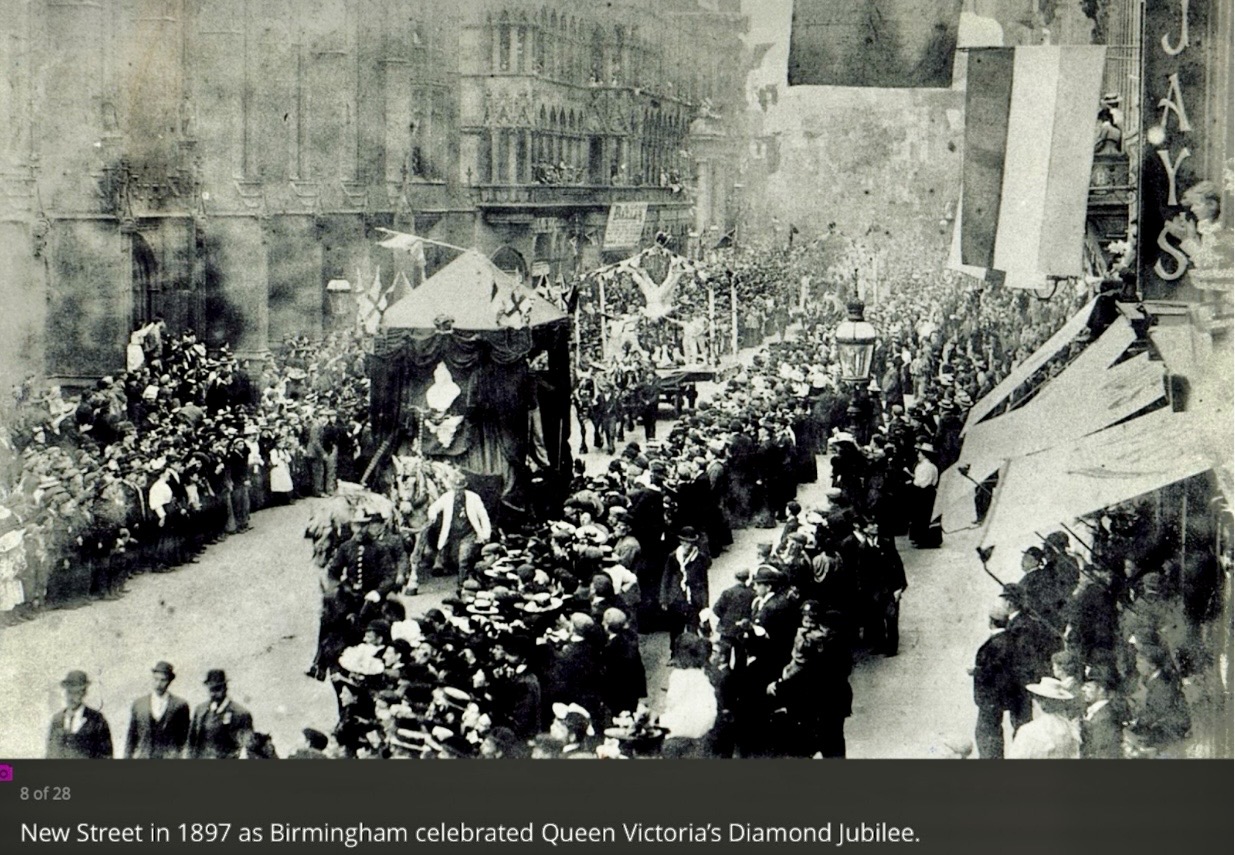
During the 19th Century, Birmingham was deemed worthy of several visits by Queen Victoria and on 23rd March 1897, she made her fourth visit in her Golden Jubilee year, later describing the pleasure of her reception and her admiration of many Birmingham buildings.
The 35 miles of canals in and around Birmingham, combined with 152 miles of the Grand Union Canal, developed in 1929, established links between Birmingham and London providing successful means of exporting and circulating brewery products.
Public houses became ‘home from homes’ and were placed abundantly in close knit communities. ‘Going to the pub’ and ‘having a few beers’ provided access to friends and escape from often grueling, labour intensive and demanding work environments.
The alcohol in beer provided an ultimate ‘feel-good’ factor. A popular legal drug that enabled cheap easy access to enjoyable states of euphoria. Such was the popularity of beer that at the end of the 18th Century, people were even opting to drink beer in preference to water. At times water was not meeting sufficient hygiene standards, and beer was considered a healthier and preferable alternative as at least the water in beer had been boiled and purified.
Even the war effort was fueled and supported by the delicious ‘amber nectar’. Beer was given to soldiers as part of their rations to provide sustenance and vitamins B and C. It was a form of ‘liquid bread’, considered to be more nutritious, with extra calories providing stamina and boosting morale amongst troops.
BEER BOTTLES
Beer bottles housing the golden miraculous liquid, by virtue of their popularity and delicious substance, spread far and wide.
After consumption, bottles were frequently smashed or just thrown into the earth, buried and forgotten.
Many Fulfords were employed as ‘Brewery Travellers” and their job was to travel around the country to promote and sell their brands of beer. These folks are the likely culprits for the migration of the bottles which can still be found far and wide.
Even within the gardeners ‘bothy’ of Brockley Hall, Somerset, a historic English country house which was once the home of the Smyth Pigotts. They were the Lords of the Manor and John Hugh Smyth Pigott was one of the founding members of the Agapemonites. His relative Edward Smythe Piggott (1824-1895) was ‘Examiner of Plays’, rather like an official Censor. Coleridge and Wilkie Collins also visited Brockley Hall which is believed to be the inspiration for his famous novel ‘Women in White’.
A present day, frequently understated, impassioned and somewhat obsessive hobby is antique bottle hunting. The treasure hunters spend hours of their time researching and finding the secret plots and unearthing old bottles. Like pigs sniffing out valuable truffles, the bottles are often highly collectible and the rarest can achieve high prices at auction or on eBay.
The Empress Brewery bottles and other unique ‘Holt’ Fulford bottles are no exception and are highly sought after, especially those commemorative Empress bottles embossed with Queen Victoria !
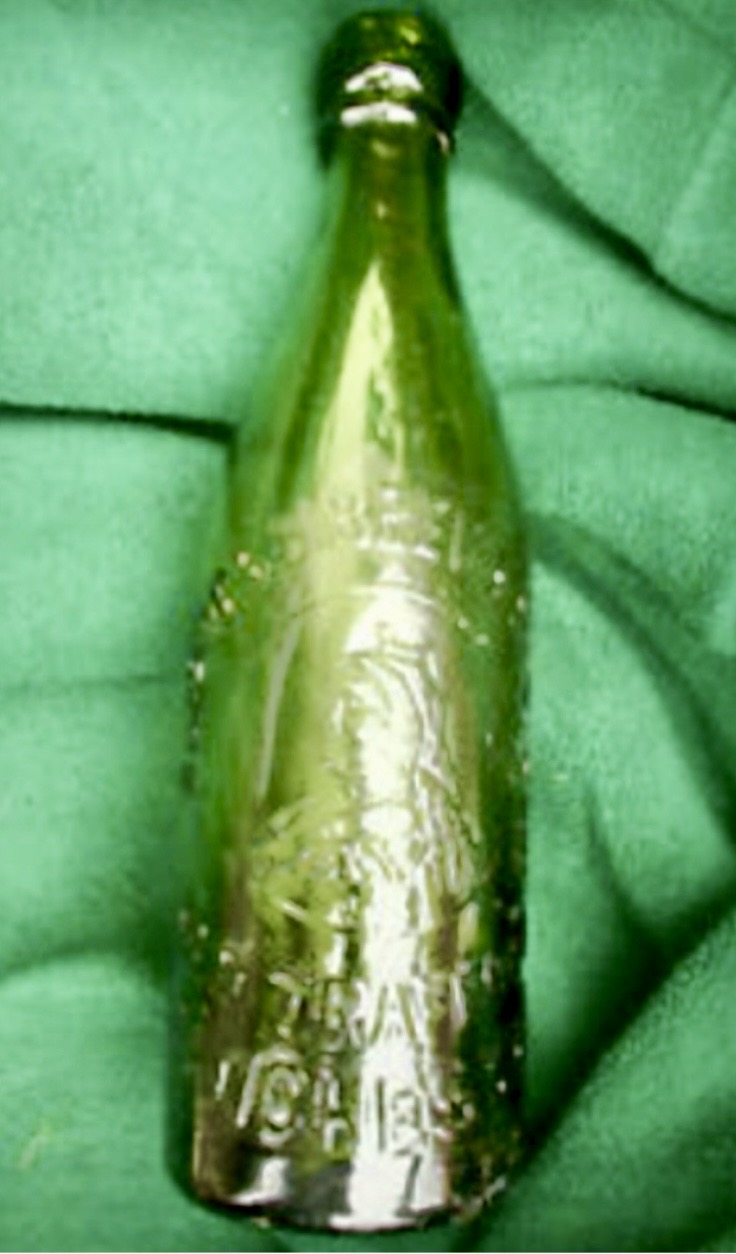
Fulford bottles date around 1850 to 1900 and include Codds, bullet stoppers, ginger beers and minerals.
GINGER BEER
In 1850 ginger beer dramatically increased in popularity. The ginger bottles were stone and salt glazed. Due to the impurity of water in the Victorian era, ginger beer and the portable bottles were massively produced and promoted as a more palatable option. Affectionately now named ‘ginger’s’ by those who collect them, they were popped into every lunch pack in the same way a bottle of water or can of Coca Cola is consumed today.
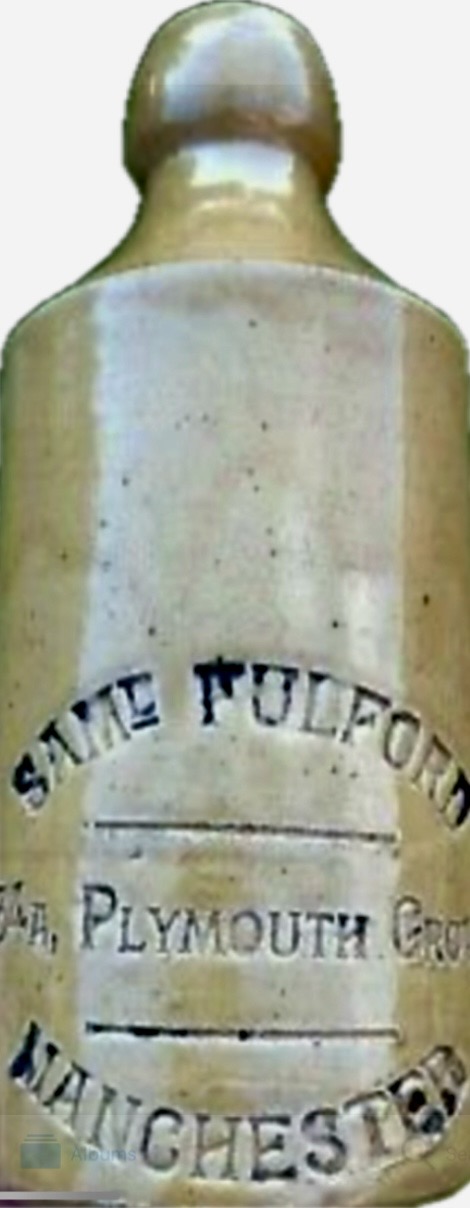
GREAT WEALTH
Whoever drinks beer, he is quick to sleep; whoever sleeps long, does not sin; whoever does not sin, enters Heaven! Thus, let us drink beer!”
― Martin Luther
The people’s thirst for a ‘good beer’ often gave those involved in beer production, a great deal of wealth and success over hundreds of years. Fulford Brewers capitalized on this success with mostly profitable enterprises.
When William Henry Fulford (1844-1909), Great uncle Brewer, owner/operator of the Empress brewery, died he bequeathed to his wife Mary the equivalent of over 3 million pounds in today’s money.
A sum equivalent to 55 million was given via Henry Charles Fulford (1850-1897), The Holt Brewery, in his will to Mary Agnes his wife in 1897.
THE HOLT BREWERY BUILDING TODAY
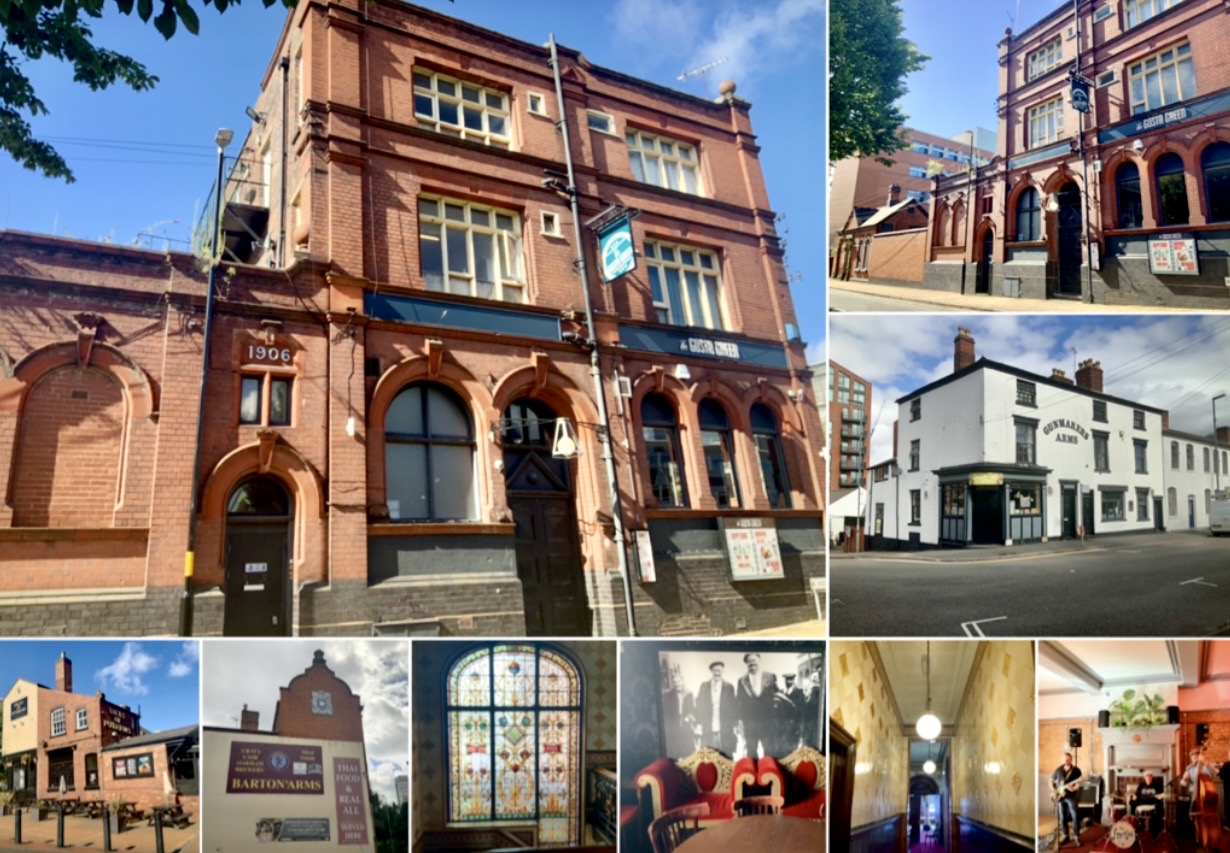
Photographs: Jane Fulford 2024
Despite the loss of ownership, the Holt Brewery building and many of the 250 tied public houses have retained many lasting features and memorabilia. Fulford brewers made large investments in their notable designs and architecture. The Holt trademark squirrels etched into mirrors with flamboyant designs within their signature pubs. Holt signage and even Holt clocks, made by famous clock maker, ‘Mouseman’ whose clocks each had a mouse attached.
After 1974 the Holt brewery site was acquired by Aston University and the original Holt Brewery building is still in operation today as a non brewing pub, the Gosta Green. Over time the brewery building and in-house pub, has undergone a series of changes and was even a renowned music venue with bands like Blur and Pop Will Eat Itself playing there during the 1980s and early 90s.
A short history of the changes associated with the Holt Brewery building is as follows with more details in a separate chapter.
HOLT ARMS, LISTER ST, WARWICK (OWNED 1913)/ CONVERSION OF THE HOLT BREWERY OFFICES
The brewery offices on the corner of Holt St and Great Lister st were converted into a public house, ‘The Holt Arms’. This later became the ‘Pot of beer’, then the ‘Faculty and Firkin’ and now is a student pub the ‘Gosta Green’.
THE GOSTA GREEN PUBLIC HOUSE
OPEN
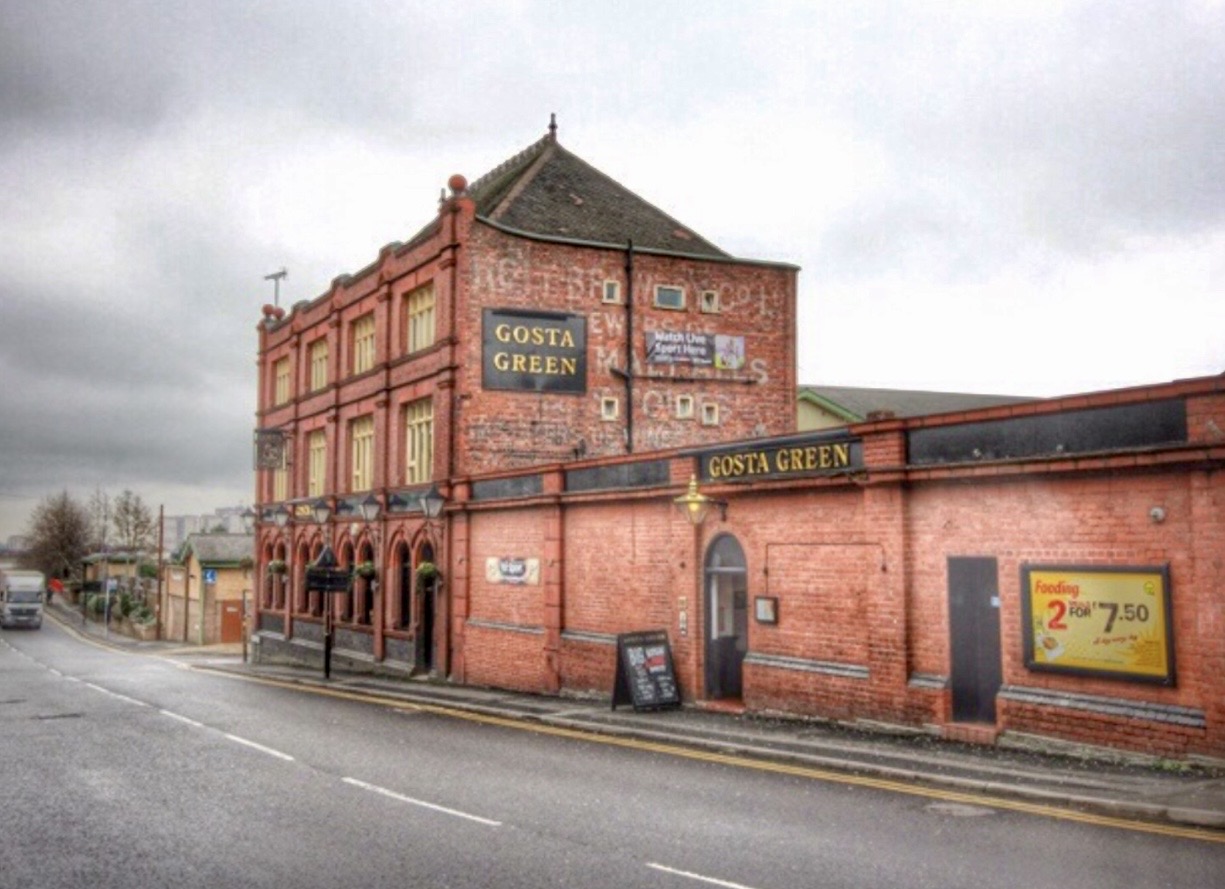
The Holt brewery premises continues as a successful pub.
THE HOLT SQUIRREL
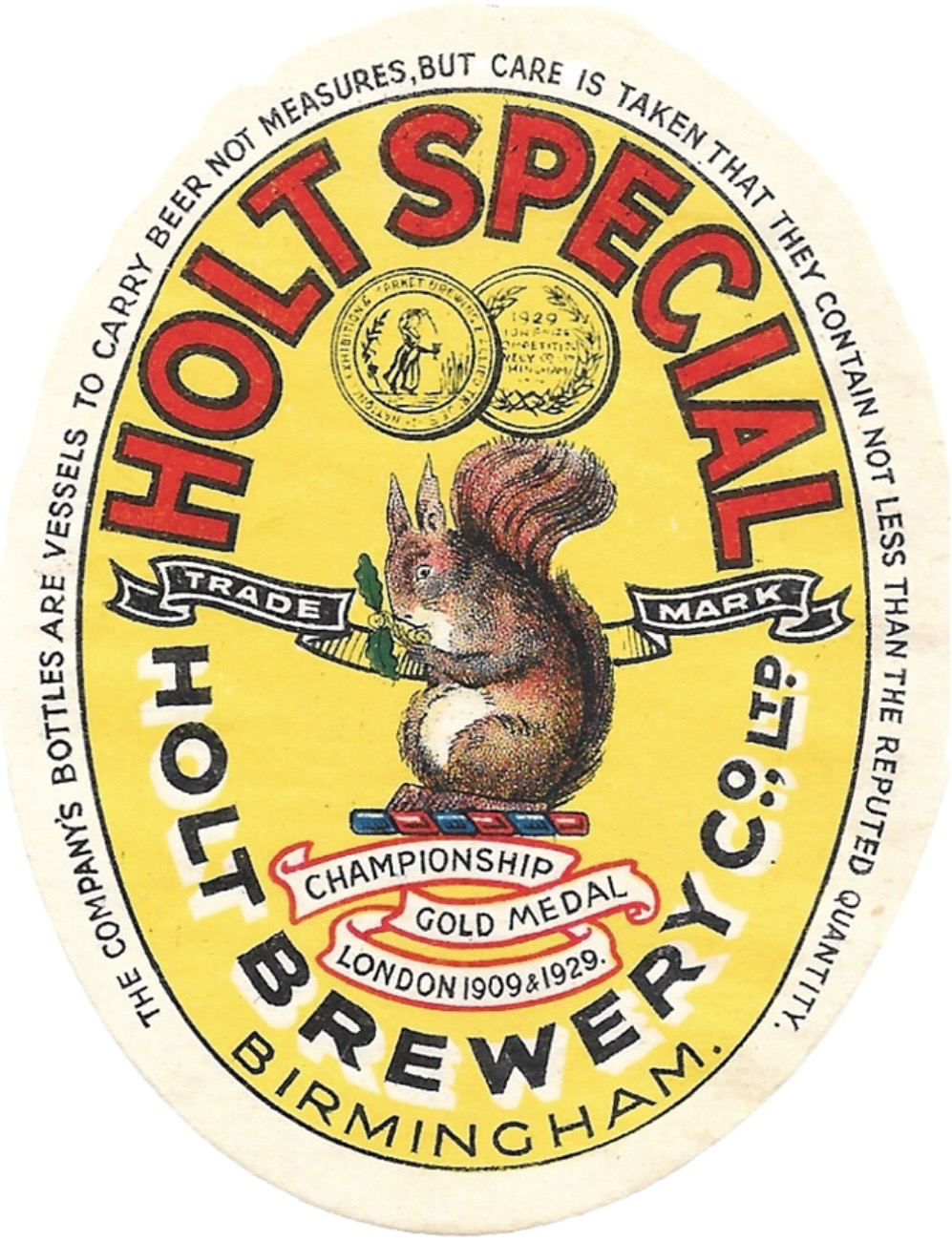
The Holt Brewery symbolic squirrel is still retained in many of the original Holt public house buildings belonging to the Holt brewery. Remnants of Holt squirrels are retained in some of the pubs architecture and also continued in Ansell’s promotional material.
THE GUNMAKERS ARMS (A HOLT PUB)
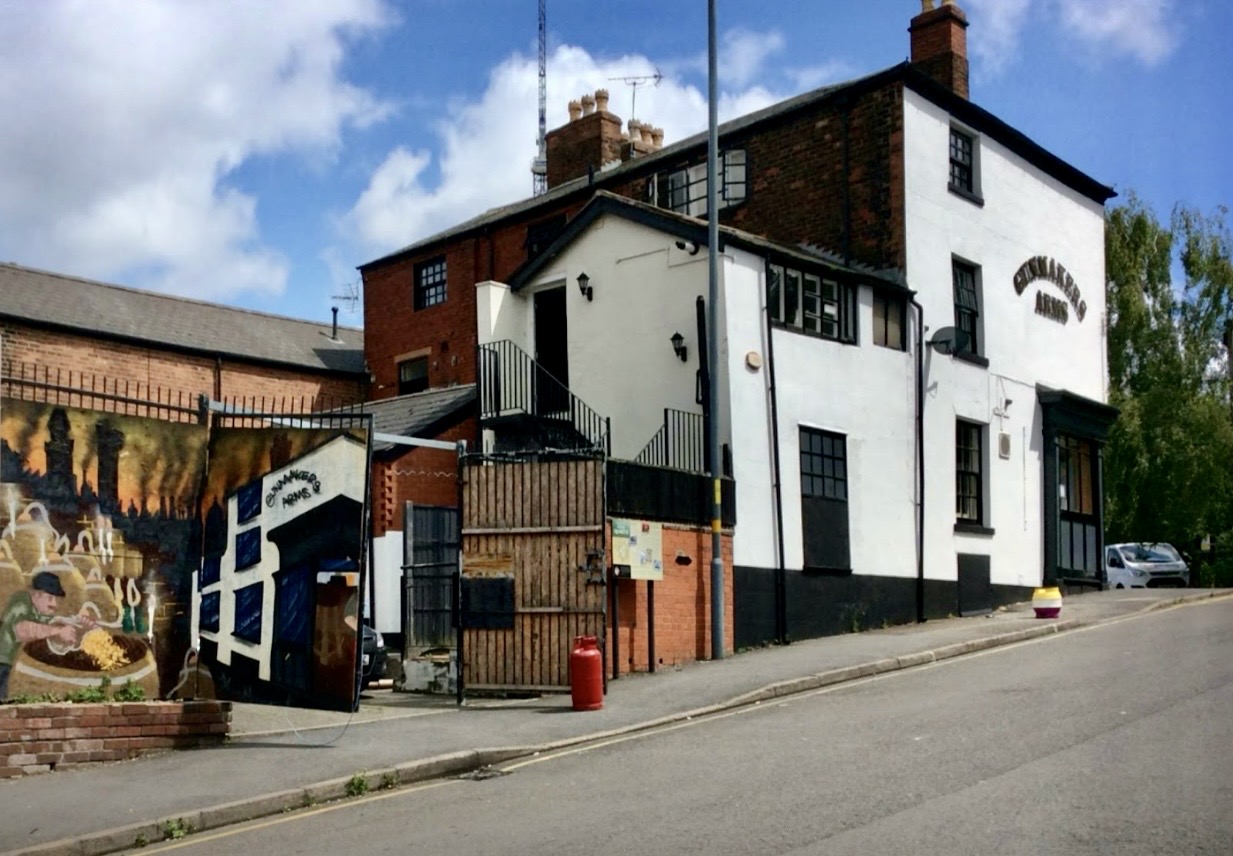
Interestingly, there is a recent return to in-house real ale brewing as in the case at the Gunmakers Arms, Birmingham.
Photograph Jane Fulford 2018
THE TWO TOWERS BREWERY
Situated at the rear of The Gunmakers Arms (previously Holt) the pub hosts the Two Towers Brewery. This brewery is named after J.R.R. Tolkien (1892-1973) who lived as a child at Sarehole Mill when his views of the two towers prompted him to later name his book ‘The Two Towers‘. The brewery operates behind and alongside the pub premises and sells over the bar in the Gunmakers Arms together with selling a wide selection of their own beers to other outlets. Just like the old days !
A remarkable twist of fate and miraculous serendipity, led to the discovery of the Two Towers Brewery. The brewery had operated for some years prior, from the exact same location as The Minerva brewery, operated in 1841 by Great Great Grandfather Joseph Fulford (1812-1868). Furthermore, yet another brewery is now operating at the very same address appropriately named, The Burning Soul Brewery, Mott street !
A note to cousin Peter Fulford (direct Fulford Brewers descendent) following a trip to Birmingham in 2018.
During the same visit in 2018, similarly, without a GPS, the accidental discovery of Brewery Street and the big empty space at the end where the Britannia Brewery once stood. At the time, the discovery was without prior knowledge of the Britannia Breweries existence or relevance to the Fulford brewing story.
THE BURNING SOUL BREWERY
Operating at the same address as Joseph (1812-1868) at his The Minerva Brewery, Mott Street/Great Hampton Row, until recently the The Two Towers Brewery and currently.
TURNING BACK IN TIME AGAIN …
TO WHERE THE REAL BREWING STORY BEGAN
“For a quart of ale is dish for a king.” in Act IV. Scene II of The Winter’s Tale.
William Shakespeare
As we go back in time it becomes increasingly difficult to deal with absolute certainties and circumstantial evidence is more heavily relied upon. Theories can help to explain family connections which may then be adjusted in accordance with new evidence and realizations.
The earliest most established and ‘agreed’ Fulford lineage in the Midlands begins in Hampton Lucy, transitions to Solihull, (Fulford’s dating back to 1578) notably within Berkswell, Barston, Rowington, Packwood and Knowle.
THOMAS FULFORD (1673-1728) MARRIED ELIZABETH ‘COOKS’ (1680-1732)
Earliest details of ‘direct’, Fulford heritage in the Midlands seemingly begins with the marriage on 22/2/1703 at St Mary, Warwick of;
“Thomas Fulford of Ingen in this County & Elizabeth Cooks of this Parish”
Ingon is in Hampton Lucy, Warwickshire and lies 3 miles north east of Stratford-upon-Avon, Warwickshire, the recognised birthplace of William Shakespeare.
To summarise;
THOMAS FULFORD (1673-1728) MARRIED ELIZABETH (1680-1732) have son
John Fulford (1718-1755?), who was baptised on 28/4/1718 in Hampton Lucy.
JOHN FULFORD (1718-1755) MARRIED MARY (1720-) have son
William Fulford (1740-1799) was baptised on 25/2/1740 in Solihull.
WILLIAM FULFORD (1740-1799) MARRIED ELIZABETH TAYLOR (1743-1783) have son
William Taylor Fulford (1769-1856)
William Fulford (1740-1799) married Elizabeth ‘Taylor’ (1743-1783) in 1761. This marriage signifies an important genealogical landmark constituting the Fulford family’s first connection with the Taylor family. William (1740-1799) and Elizabeth Taylor (1743-1783) had at least ten children who were all baptised in Solihull, notably son William Taylor Fulford (1769-1856).
TAYLOR’S, SHAKESPEARE’s AND FULFORD’S IN ROWINGTON
Before moving on to focus on William Taylor Fulford (1769-1856), it is important to understand more about the Taylor family and their connections with the William Shakespeare (1584-1616) lineage.
A genealogical note indicates that both the Taylor family and the Shakespeares originated in Rowington and had long-standing relationships.
“interesting to Shakespearians as indicating that the relations existing between the Shakespears and the Taylors at Stratford might have originated at Rowington”
The Chandos Portrait (c.1600-1610), is an oil painting of William Shakespeare (1584-1616), attributed to John Taylor alias ‘Atwode’ (either the same John or a likely relative of John Taylor, Chamberlain).
The Chandos Portrait (c.1600-1610)
Establishing the Rowington Taylor’s exact link centuries earlier, with William Shakespeare (1584-1616) the bard, would require a completely separate line of enquiry but it does seem likely that the Taylors of Rowington were linked to William Shakespeare’s family, which in turn connects our Fulford family lines via marriage.
Aside from the likely connection with the William Shakespeare (1584-1616) lineage, the Taylors were land owners, farmers, maltsters and publicans in Rowington. Alongside and together with Fulford’s they may provide us with the point of inception and the veritable hub of the brewing story.
WILLIAM TAYLOR FULFORD (1769-1856) MARRIED SARAH NEE ‘JENNINGS’ (1775-1852)
William Taylor Fulford (1769-1856) was the son of William Fulford (1740-1799) and Elizabeth ‘Taylor’ (1743-1783). His story is complex with numerous familial connections and extensive links within the brewing industry.
William Taylor Fulford (1769-1856) married (date?) Sarah nee ‘Jennings’ (1775-1852) and the couple had 10 children, notably their first born daughter Elizabeth (1795), son Joseph (1815) and daughter Sarah nee ‘Fulford’ (1817). A move from Solihull to Rowington enabled William Taylor Fulford (1769-1856) to work as a farmer alongside his mothers biological family, the Taylors.
‘A Brief Retrospect Of The Parish Of Rowington During The Period Of the MS (1550-1600) And Also 100 Years Ago (1821)’ is a text that ‘walks us through’ the Rowington village in 1821. Excerpts of this text have been used here to highlight the presence of Taylor’s alongside Fulford’s in this area. More detailed coverage is available which also highlights the prevalence of Shakespeare families in Rowington at that time.
Fulford’s and Taylors had been involved both as farmers and publicans in Rowington, living adjacent to Shakespeare families and Shakespeare Hall.
“Starting our journey from the top of Rowington Green in 1821, “…we should come to the small old farm-house, formerly moated. It is now known as Shakspere Hall, so called as having been the home of a branch of the Shakspere family, the last member of the family to reside there probably being William Shakspere, who married Anne, the daughter of William Ives of Rowington Hall, removed to Knowle Hall about 1750”.
SHAKESPEARE HALL, ROWINGTON
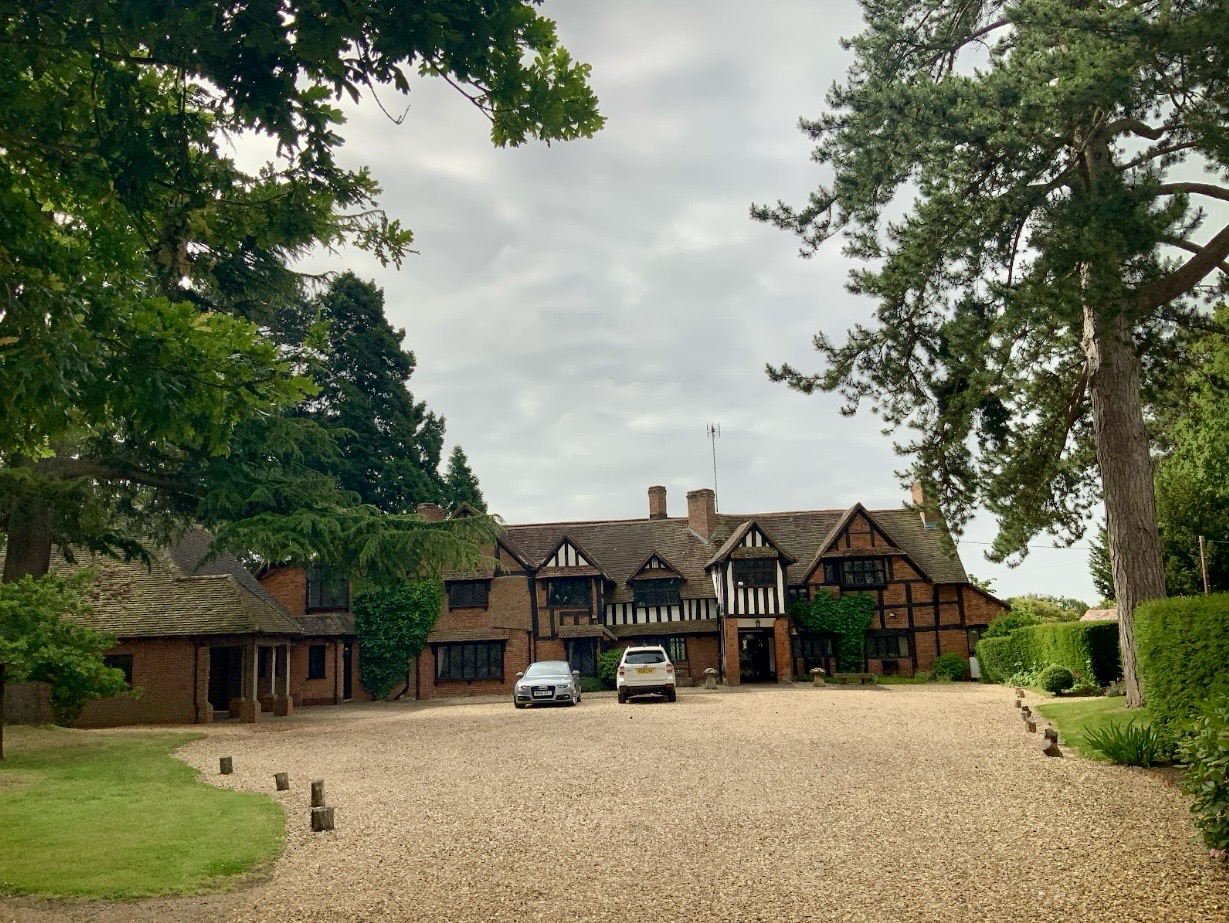
William Shakespeare reportedly lived and wrote his famous play ‘As You Like It’ in Shakespeare Hall, Rowington, Reference: heartofengland@burtongreen.com.
Another document states that ‘A Midsummer Night’s Dream’ may also have been written within Shakespeare Hall, Rowington.
THE WHITE HOUSE /THE LYONS
Continuing the text…
“The next old farm-house was the White House, since renovated and renamed The Lyon’s”
In 1848, John Taylor (c.1778-1850) occupied a house, Malthouse, stable, garden and yard in Rowington. The property also encompassed ‘White House Beer House’ which was later renamed, ‘The Lyon’s’.
John Taylor (c.1778-1850) was father of John Taylor (1816-) ‘Maltster’ who married Sarah nee ‘Fulford’ (1817), the daughter of William Taylor Fulford (1769-1856) and Sarah nee ‘Jennings’ (1775-1852). John Taylor’s (1816 -) fathers occupation is listed as ‘Maltster’ on their wedding certificate.
BUSHWOOD HALL FARM HOUSE
Continuing the text,
“…. It led to Bushwood Hall Farm”
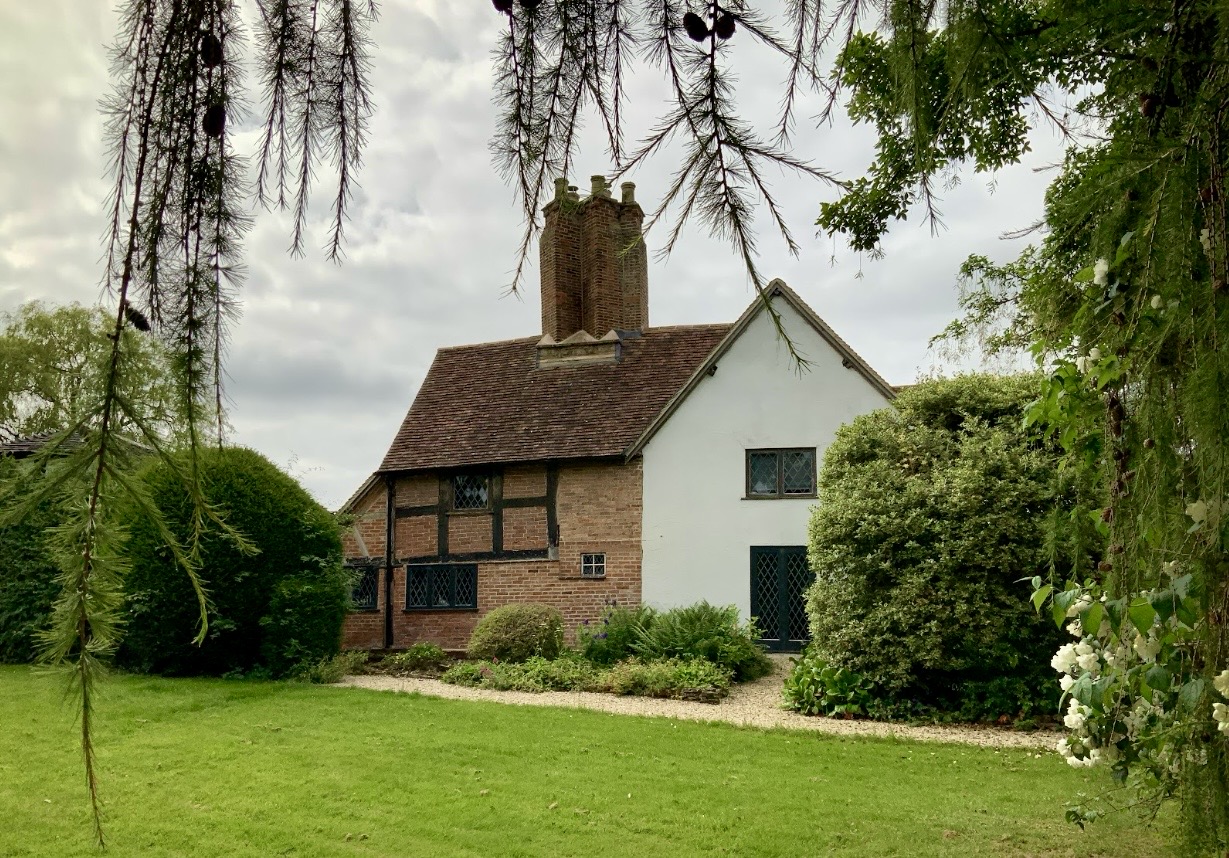
Two adult children of Joseph Fulford (1815) and Mary;
William Fulford 1850 son and sister Sarah (1847) were living at Bushwood House around 1871. Reference: Rootspoint
THE WHITE HORSE INN, 46 ROOKERY LANE, ROWINGTON
In 1821 Jacob Taylor was publican at the White Horse Public house in Rowington.
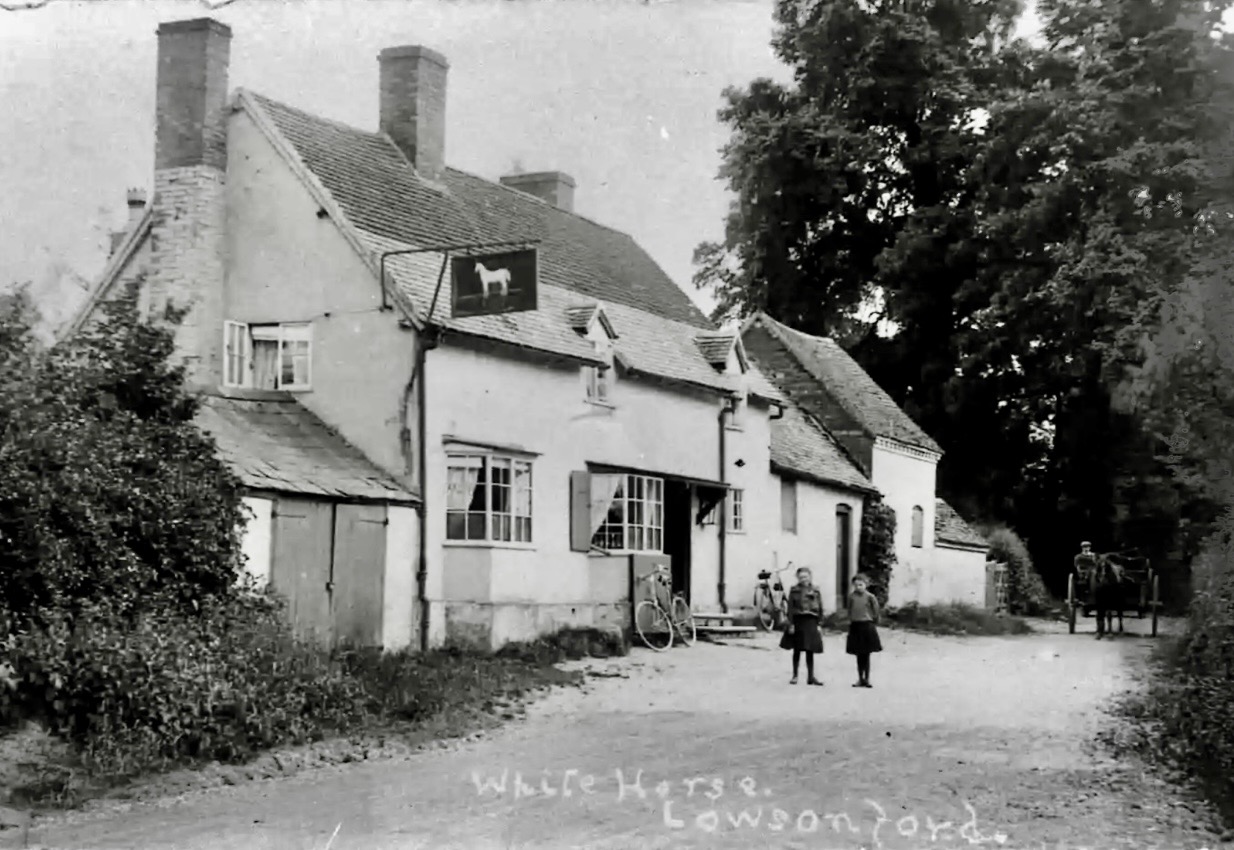
Continuing the text…
“…The other turning, on the left, past the “White Horse” Inn kept by Jacob Taylor, is Rookery Lane, and leads up to Poundley (or Poundeye) End and the Rookeries…”
POUNDLEY OR ‘POUNDEYE END’
Elizabeth nee ‘Fulford’ 1795, (daughter of William Taylor Fulford (1769-1856) and Sarah (1775-1852) had married Edward Eborall (1795). Living at Poundeye farm in 1881, was their son Thomas Eborall (1738) and family, together with Samuel (1842) ‘family servant’, (son of Joseph 1815 and Mary, Elizabeth’s younger brother).
THE ROOKERIES
By the time of the 1841 Census, Fulford’s and Taylors were living alongside each other at the Rookery, Rowington, a giant parcel of farming land, later separated into 3 separate dwellings,‘The Rookeries’.
William Taylor Fulford (1769-1856), aged 70 was a farmer of ‘100’ Acres living with wife Sarah nee’ Jennings’, aged 65. In the same household is daughter Sarah (c.1817-), age 20 and her husband John Taylor (c.1816-) age 25, ‘Maltster’. The couple had married on the 29th December 1840 and John 1816) was the son of John Taylor, (c.1776) 65 ‘Maltster’.
By 1851 William Taylor Fulford (1769-1856) aged 81, and wife Sarah ‘Jennings aged 75, were still farming at ‘Backwood’, Rowington but on a smaller acreage from 100 to 46 acres. Samuel Eboral (c.1823) (24), son of daughter Elizabeth (1795-) & husband Edward, was a visitor at his grandparents farm at this time.
ELIZABETH FULFORD (1795) AND EDWARD EBORAL (1795-1887)
The first born daughter of William Taylor Fulford (1769) and Sarah nee Jennings, Elizabeth Fulford (1795) married Edward Eborall in 1818 who was the Publican of the White Swan Public House, 6 Legge st, Birmingham. A licence he held for at least two years (1818-1820).
THE WHITE SWAN PUBLIC HOUSE, 6 LEGGE ST, BIRMINGHAM
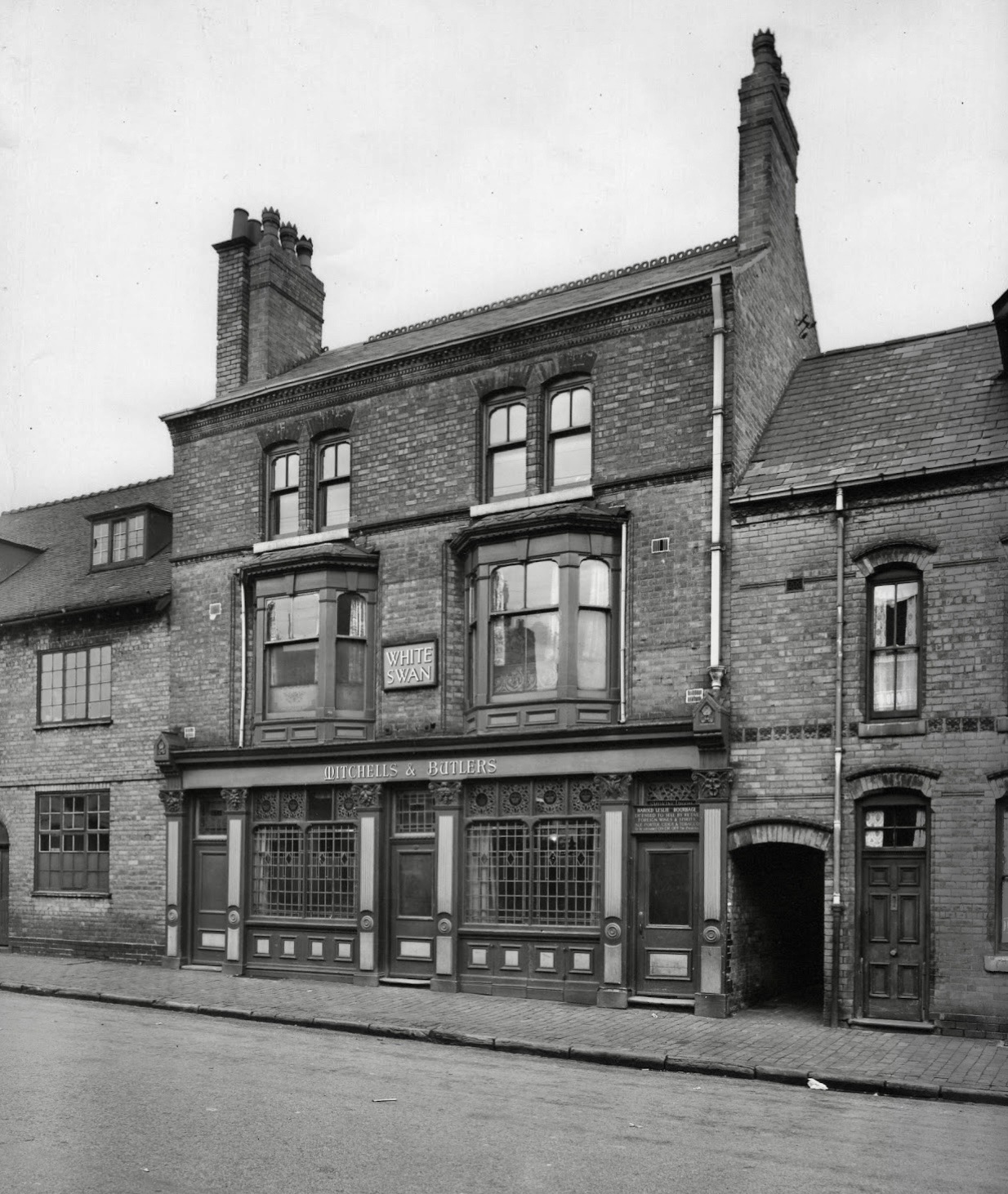
Of note, John Fulford (1785-) Great Great Great Grandfather was a Publican in 1841 on Canal st, in close proximity to Legge St and around the time of the births of three of his children; Mary Ann, John 1816 and Thomas births all recorded on Legge st.
TAKING OVER FROM THEIR FATHERS LEGACY …
In 1861 Edward Eborall 1795 and Elizabeth nee Fulford, previously at the White Swan Public House, Legge st, had returned to continue Elizabeth’s fathers legacy, farming at the Rookeries.
William ‘Taylor’ Fulford (1769-1856) had died four years earlier in 1856 and Edward, now aged 66, wife Elizabeth and their son Thomas aged 23 (born in Nuthurst) were now farming 67 acres at Residence 45, Rookery Lane, Rowington.
Their farm was next door to the White Horse pub at no 46 Rookery Lane, Rowington, previously operated by Jacob Taylor in 1821 (see earlier photograph). Also visitors in the house were niece Sarah (1847), aged 14 and nephew William (1850) aged 11, the children of Elizabeth’s younger brother Joseph (1815) and wife Mary nee ‘Mumford. William 1850 and sister Sarah are seen later living at Bushwood House, Rowington. (See earlier Bushwood Hall Farm).
By 1871, Edward, aged 76, was still farming 67 acres but living at 72 The Rookery. Elizabeth had died but Edward was living daughter Mary Eborul 1823 (48), son Thomas (1838) years aged 33 and two grand-children. Also in the same household was Samuel Fulford b.1842, aged 29, farm servant (son of Joseph 1815 and Mary).
John Taylor (1816), previously a maltster and lived with his wife Sarah nee Fulford (1817), lived next door at 74 The Rookery lived who was now working as an agricultural labourer. Alongside his wife aged 54 (daughter of William Taylor Fulford and Sarah Jennings).
SAMUEL EBORALL (1823-)
Samuel Eboral (1823) was the son of Elizabeth nee ‘Fulford’ and Edward Eborall (1795). In 1861, Samuel and his family were living close to the Darley Mill (see the next section), at ‘Four Ashes’ Bentley Heath Solihull, 3 doors up from the Lees family at the White Lion public house ! John Lees (c.1817), aged 44 was the publican, Victualler and farmer of 60 acres employing 3 men 7 boys.
EDWARD EBORALL (1860)
Edward (1860) was the son of Samuel (1823-)and his wife Eleanor. Edward married Sarah Elizabeth on 2/5/1886 at Bell Barn Rd. Of note this is where Edwin Fulford (1822-1850) died in a pub on Bell Barn Rd. In 1901 Edward’s occupation was ‘Brewery Traveller’ and later a Brewer ! (as described on his daughters marriage bans).
THE ‘WHITE LION’ PUBLIC HOUSE NOW THE DRUM AND MONKEY, 177 FOUR ASHES RD, DORRIDGE , SOLIHULL
OPEN
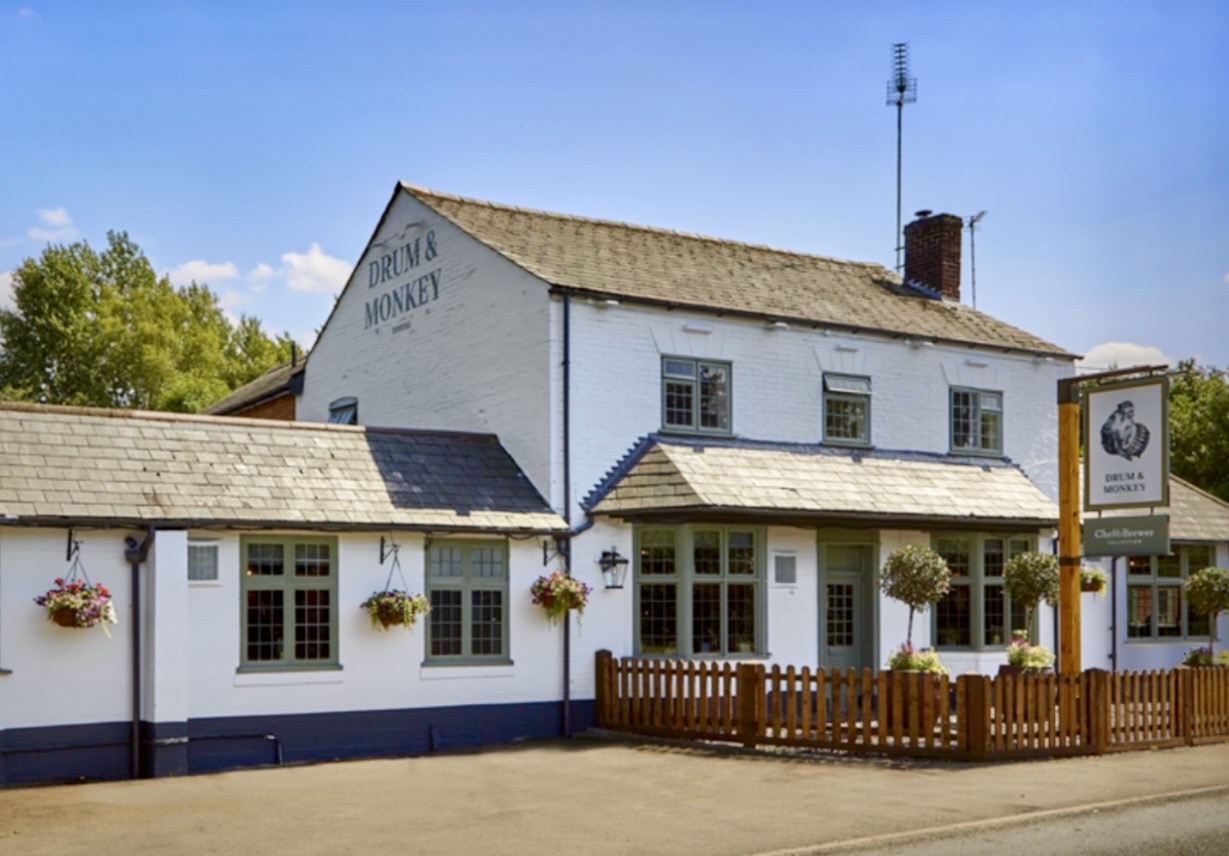
This pub is still operational and the name change from the ‘White Lion’ to the ‘Drum and Monkey’ occurred after 1861.The new name refers to the blasting powder carriers, the so-called ’powder monkeys’ who constructed the nearby railway.
THE LEES
In 1861 John Lees (c.1817), aged 44 was the publican of the White Lion.
Earlier in 1848, Henry Lees occupied at least 15 farms in Rowington alongside Eboralls, Taylor’s and Fulfords.
In 1891 and 1892, Alfred Henry Lees (27) was the publican of the Red Lion public house on 172 Thimble Lane, Birmingham which Holt owned in 1915.
Descendant of Elizabeth Ann Trow nee ‘Fulford’ (William Henry and Samuels (Great Grandfathers) sister, researching as ‘Tiger Lily’, refers to Peter Lees her Great Great Great grandfather who owned pubs referring to our shared heritage as,
“part of a long line of brewers and victuallers ”.
THE UNCERTAINTIES /LIKELY LINKS
“To err is human; to forgive, divine.” —Alexander Pope
Joseph Fulford (1815-1878) was the last son of William Taylor Fulford (1769) and Sarah Jennings. Joseph (1815-1878) married Mary nee ‘Mumford’ (1816) and they were farming at 25 ‘Light’ Farm next door to 24 ‘The Darley Mill’, Knowle within a time frame between 1851 and 1861.
THE DARLEY MILL
The Darley Mill, Knowle, or ‘Barley mill’ is an early 17th century, grade II listed building in Dorridge and Hockley Heath, Solihull (approximately 15 minutes from Rowington). It was used as a watermill mill, milling barley, (the main crop to make beer), until 1920 and then it was renovated.
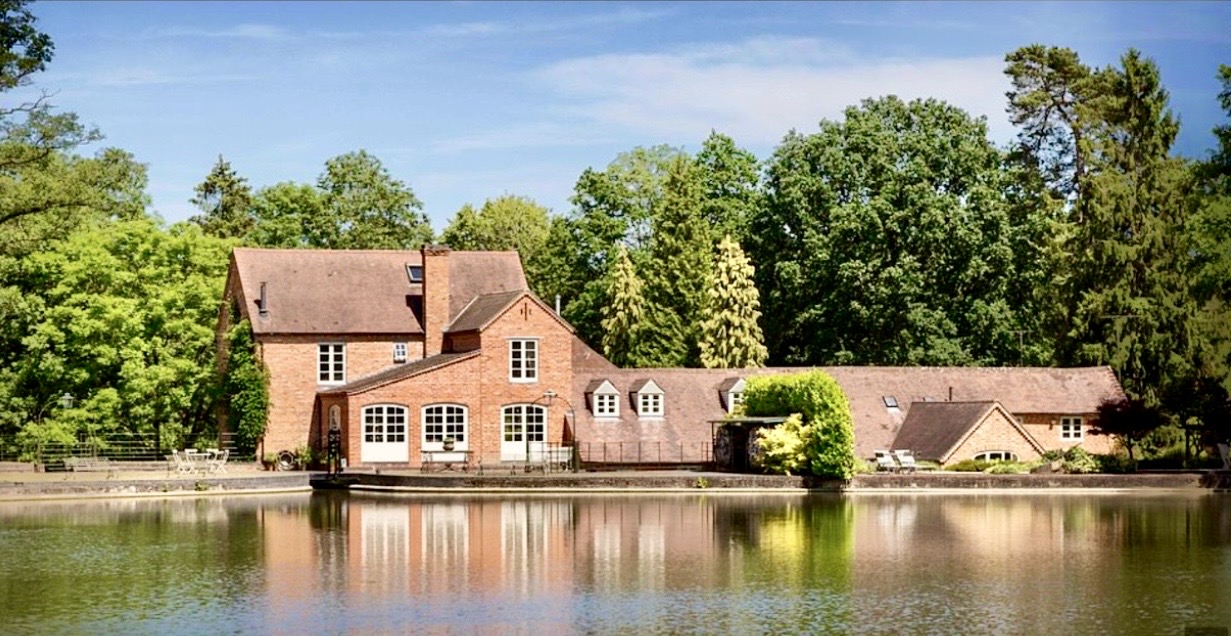
“Barley Mill house and mill form a group” Daily Mail reference
In 1861 Joseph Fulford (c.1796) aged 65, was a ‘Miller’, alongside his wife Sarah nee ‘Powell’ and their family at the Darley Mill.
Joseph (1796) is the likely son of William Fulford (1753) and his wife Mary.
Joseph (1815 -1878) and Mary at Light farm living next door to Joseph (1796) at the Darley Mill strongly supports a familial, but so far unexplained, connection.
It is possible that William (1753) is the brother of Joseph (1751-), the patriarch of the Fulford brewing legacy, who married Anne nee ‘Wilson’. Further discussion is required regarding these developing possibilities.
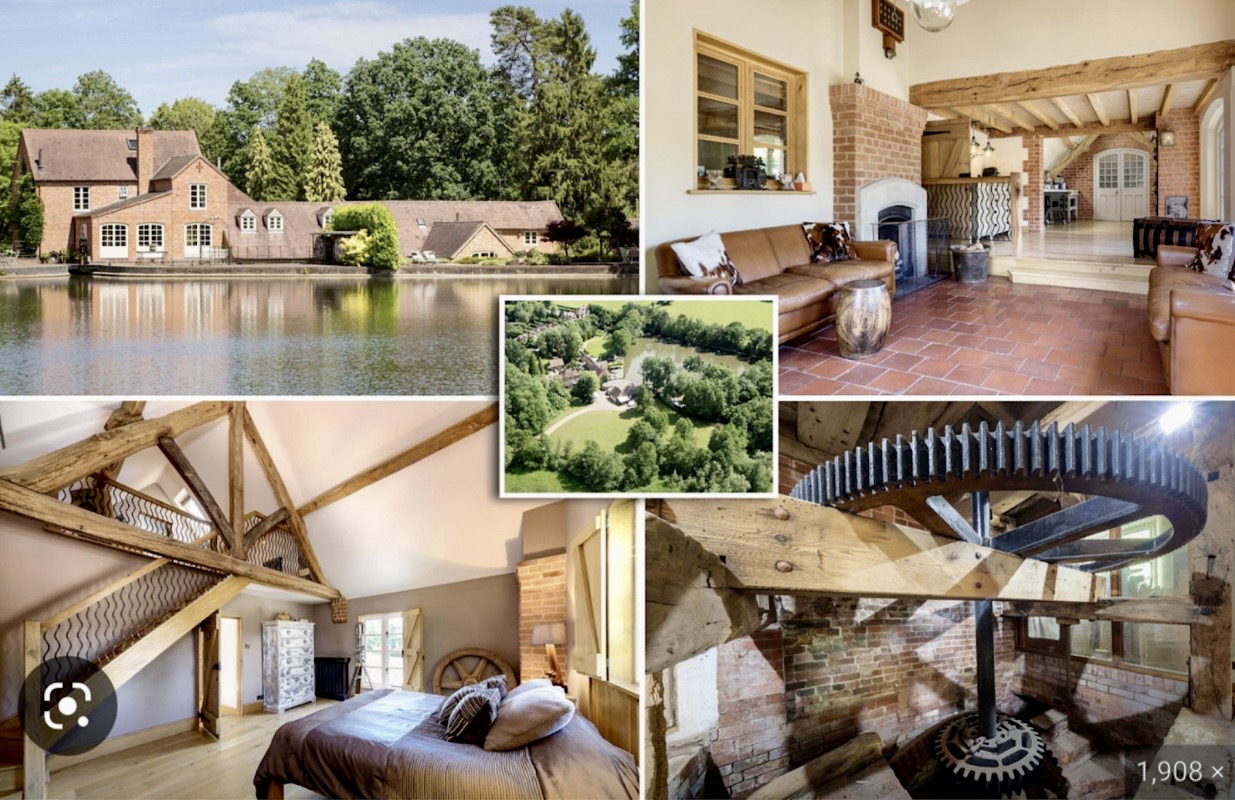
Conclusions…
A series of extraordinary discoveries provided a powerful collective picture of Fulford’s linking with other prominent families, via adjacent land, marriage or business. These early Fulford families are primarily farmers but are evolving and emerging as millers, maltsters, publicans and pub owners. The real entrepreneurs of their time, the powerful families of Fulfords, Taylor’s, Eboralls, and later Lees, living alongside each other at the Rookeries and other surrounding areas around Berkswell, Solihull, Bentley Heath and Darley Green. Business, marriage and childbirth appear to be the main factors leading to moves and place resettlement.
THE ‘BURNT POST’ FULFORDS
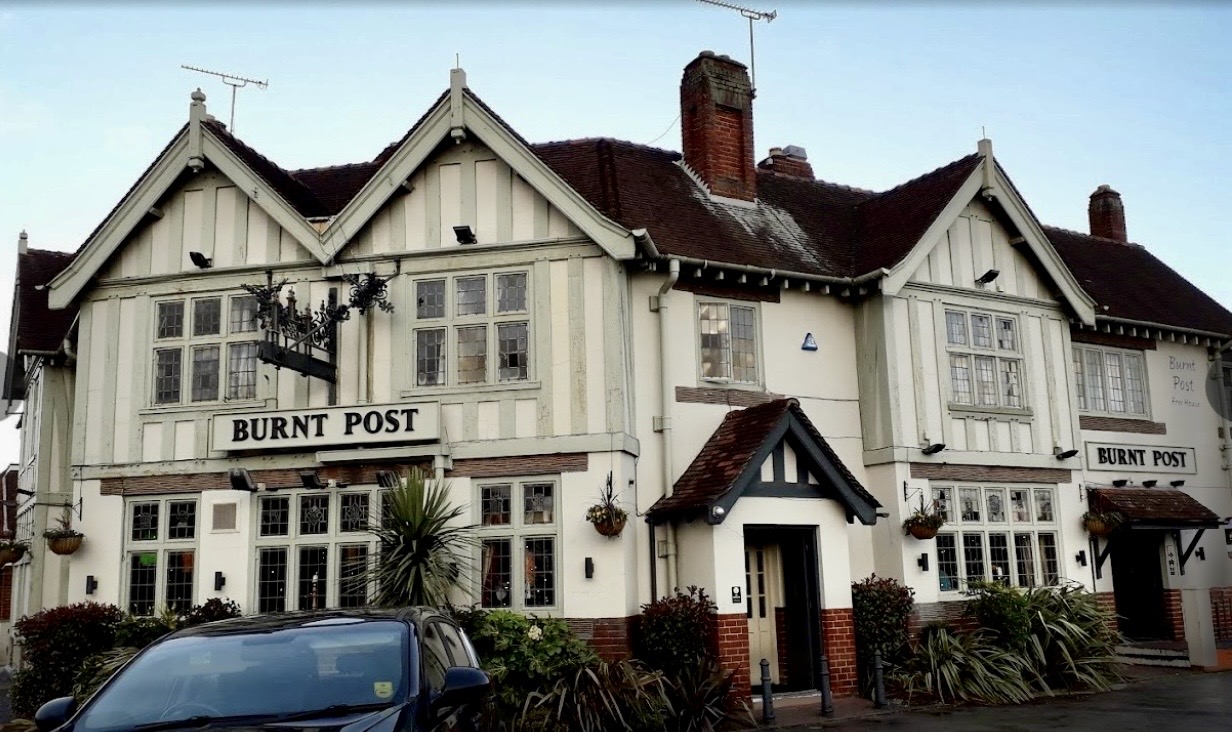
Another extensive group of Fulford’s may be referred to as the ‘Burnt Post’ Fulford’s, so called due to their connection with the Burnt Post public house in Stoneleigh, Coventry, another pub named after a famous race horse or alternatively according to Coventrypubhistory.uk…..
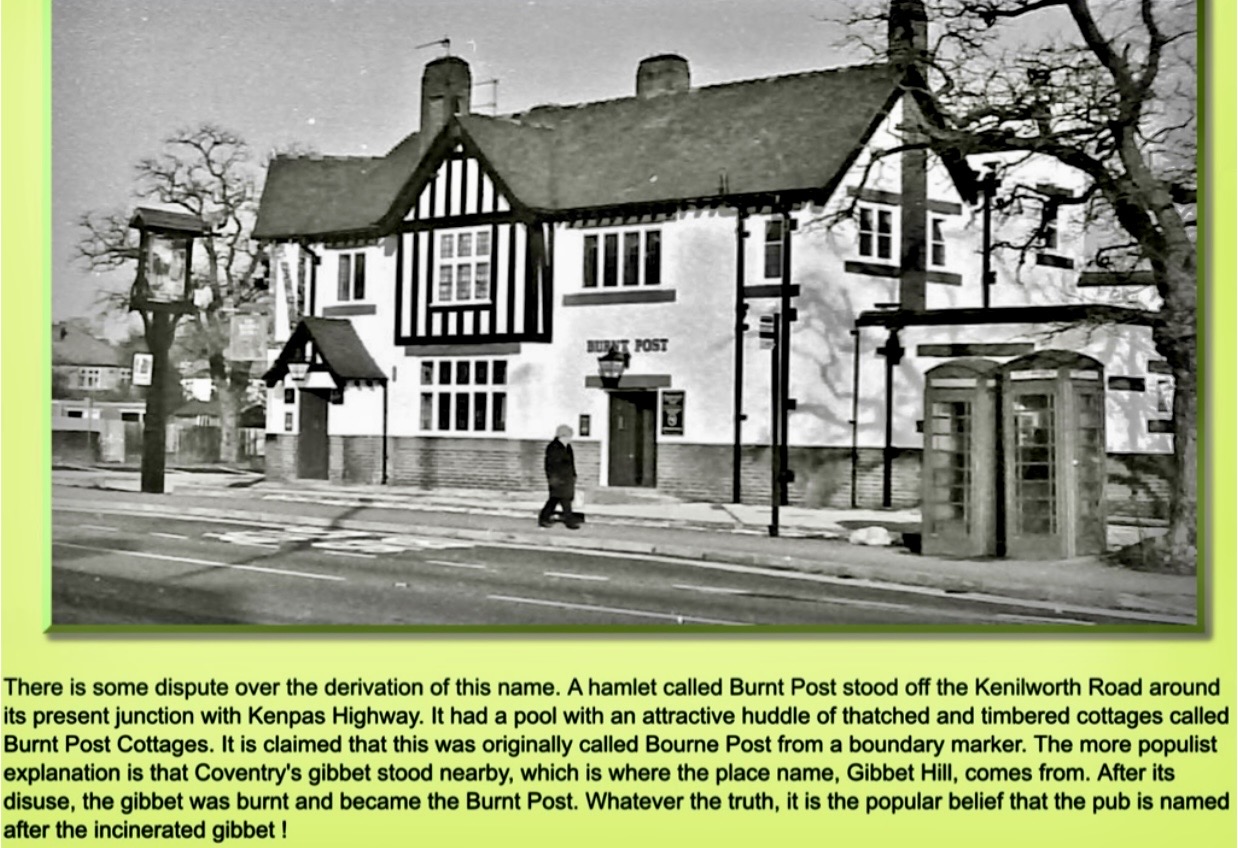
John Fulford (1778-) was publican at the Burnt Post public house in Stoneleigh, Coventry and married Jane nee ‘Gillett’ (c.1783-1865). Their son John Fulford (1812-1833) died at the Burnt Post public house in 1833 aged 21 years. John Fulford (1788-) aged 73 years, was still publican at the pub with wife Jane and grandson John in 1851.
This family group have likely links with our brewing Fulford’s, as they originated from similar places, primarily Solihull, their family lines thrived within the same time frames and were occupied with similar business interests, typically farming and pub ownership. Several of these ‘Burnt Post’ Fulfords were also associated with famous landmarks and historical sites.
PACKINGTON OLD HALL, GREAT PACKINGTON
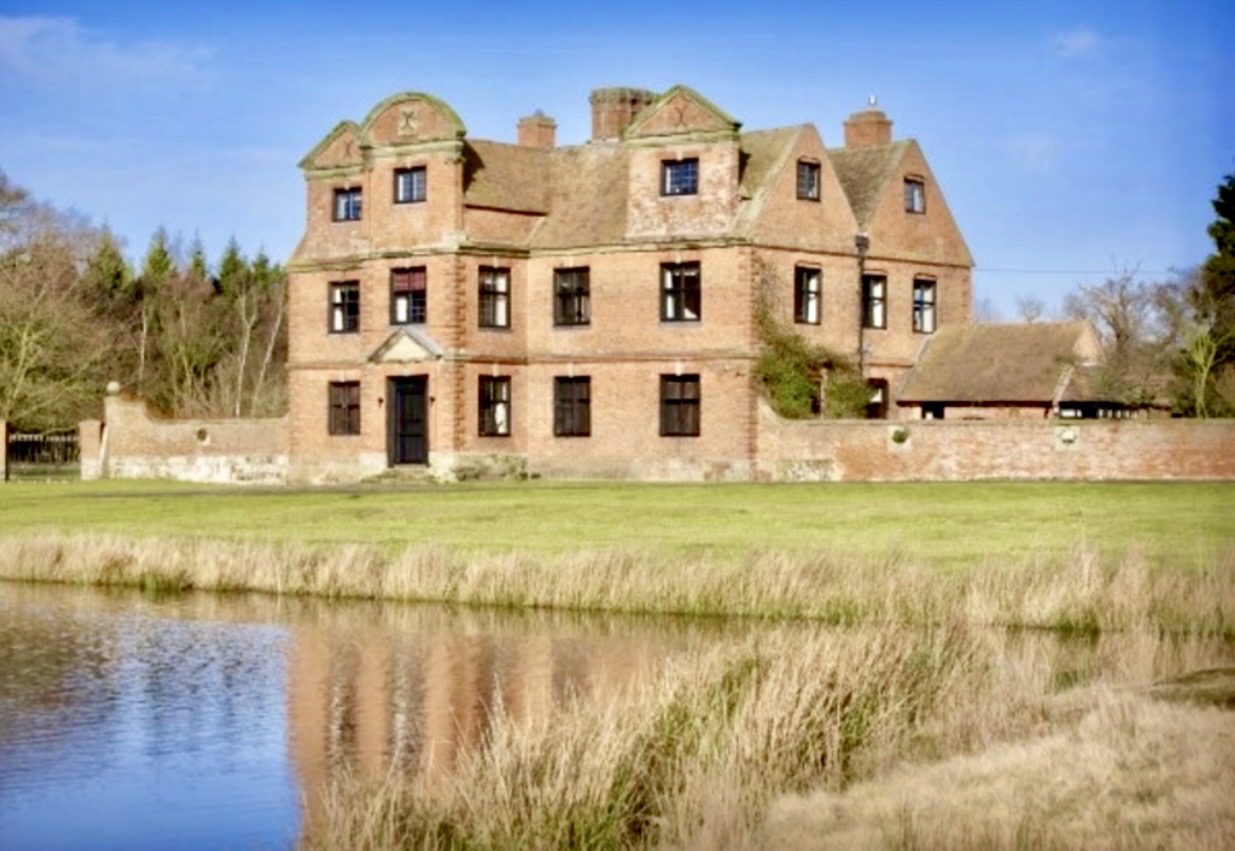
Packington Old Hall is a 17th-century manor house situated at Great Packington, near Meriden, Warwickshire. It is a Grade II* listed building. Wikipedia
John Fulford’s (1778-) at the Burnt Post’s, older brother, William Fulford (1774-1855) was an Agricultural Labourer at Packington Old Hall.
CHURCH END FARM, NETHER WHITACRE
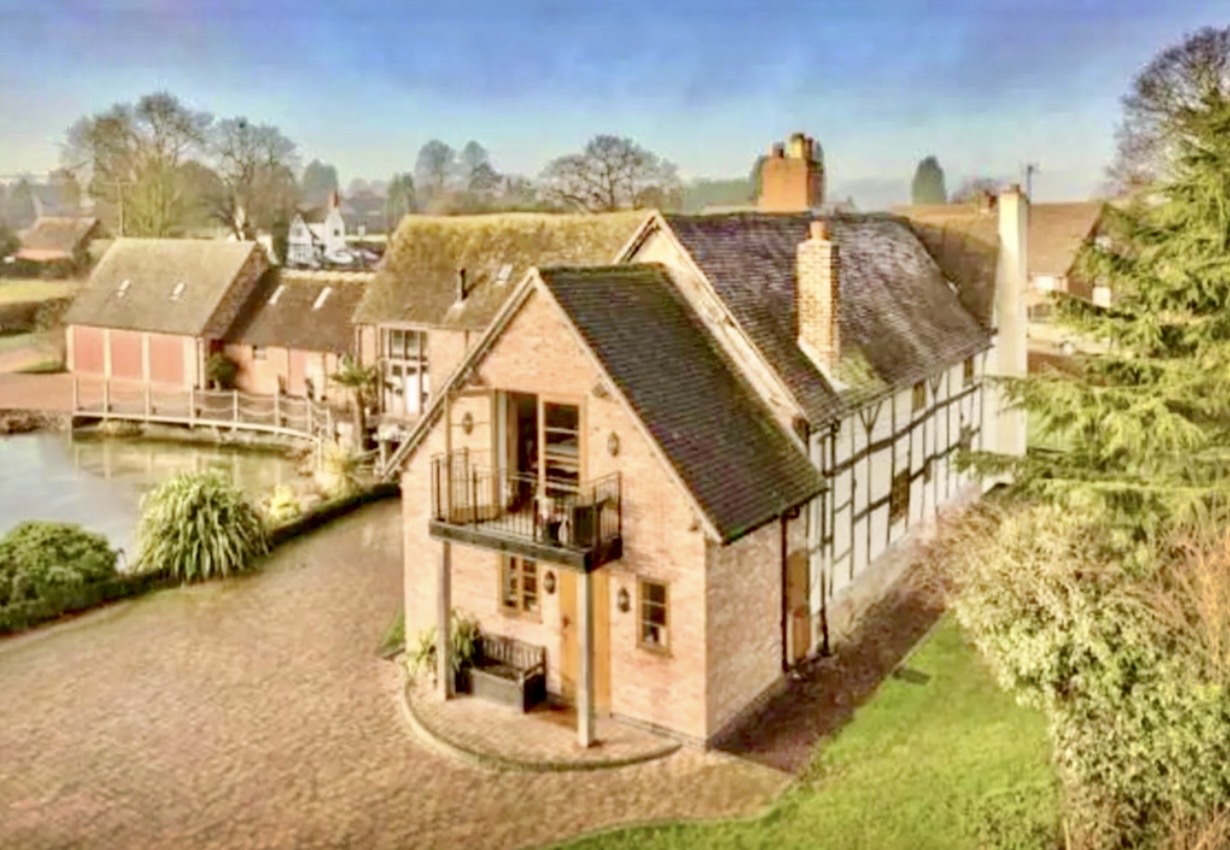
John Fulford’s (1778-) of the Burnt Posts younger brother Samuel Fulford (1784-1864) fought for his country during the Napoleonic wars and later became a farmer occupying a residence called ‘The Grounds’ in Sutton Coldfield. Samuel’s son John Fulford (1829-) married Harriet (1828-) and owned an impressive home and grounds at Church End Farm, Nether Whitacre.
THE WHITE HOUSE, ROWINGTON
Two of John (1778-) and Jane nee ‘Gillett’s grandchildren, Mary Anne Fulford (c.1841-) and her brother John Fulford (c. 1846-) lived in historic buildings; Mary Anne lived in Tocil Farm House and brother John Fulford (c.1846) lived at White House, Rowington (now renamed, ‘The Lyon’s’). (Rootspoint.com).
Remembering that in 1848 the White House was previously occupied by John Taylor (c.1778-1850) and encompassed the ‘White House Beer House’ and Malthouse. The association of John Taylor (c.1778-1850) and John Fulford (1846), occupying the same home, links these two groups of Fulford’s and Taylor’s in Rowington and further establishes their likely joint heritage.
TOCIL HOUSE (GIBBET HILL FARMHOUSE)
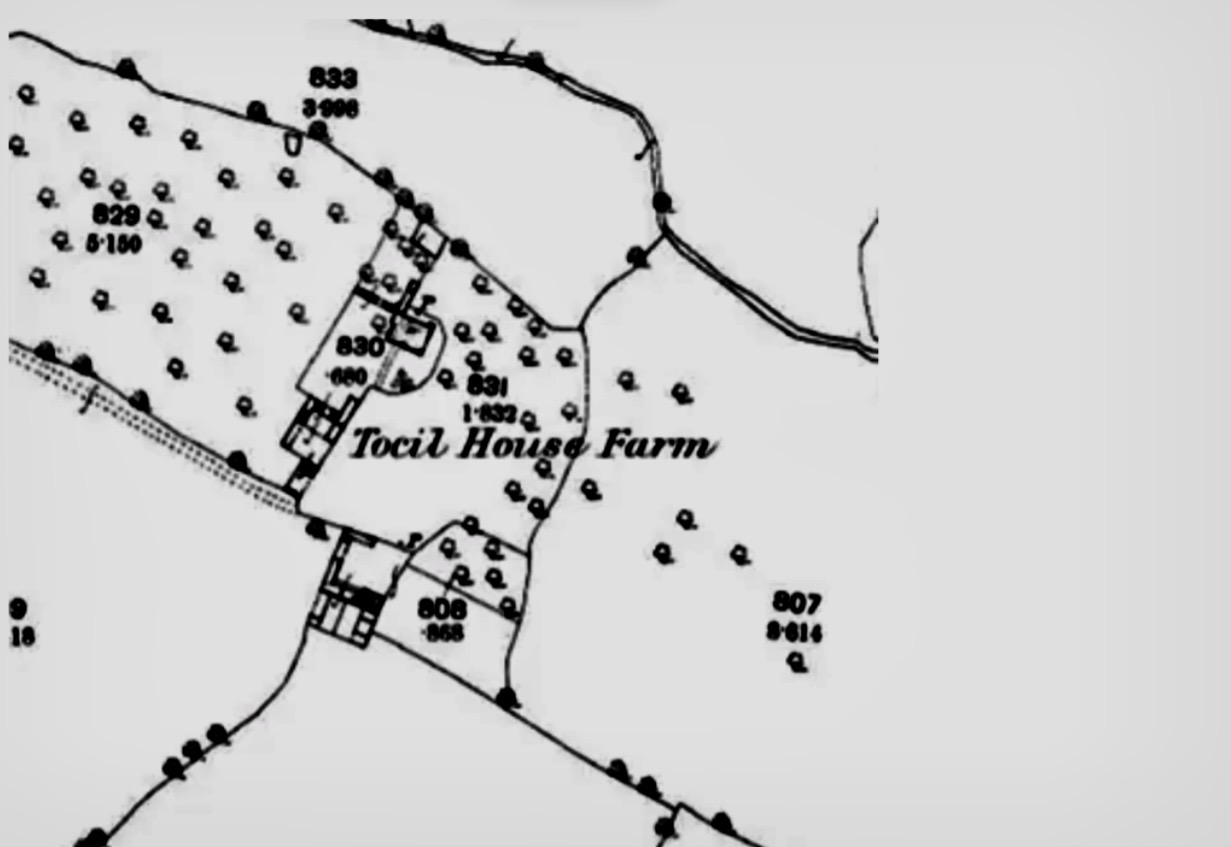
Mary Anne Fulford (c.1841-) is listed as living in Tocil Farm House (Rootspoint.com).
Tocil House/farm dates back to the 14th Century and was the home of Sir Henry Parkes (1815-1896) who emigrated to Australia, served five times as Premier of New South Wales and was referred to as the “Father of the Australian Federation“.
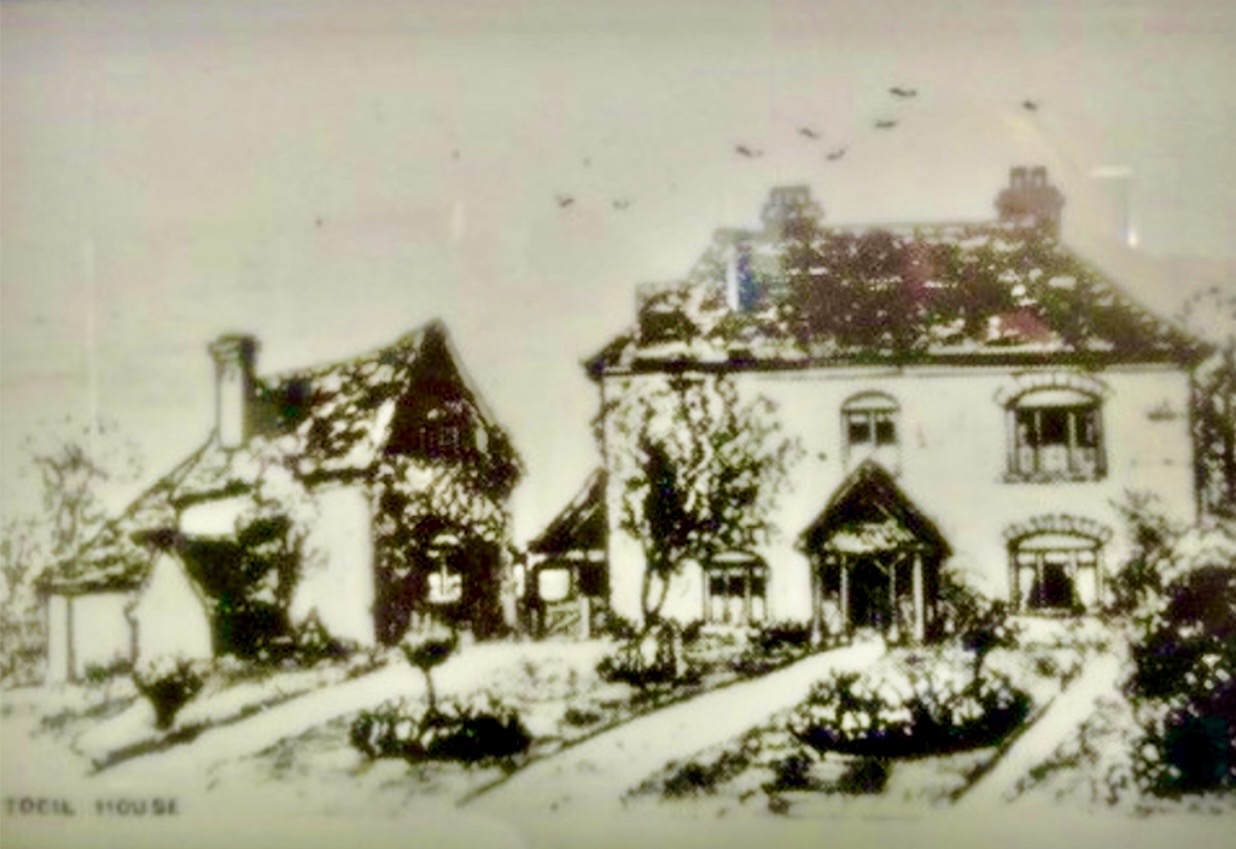
Later the property was bought by Sir Thomas Leigh and his wife of Stoneleigh.
TOCIL HOUSE TODAY
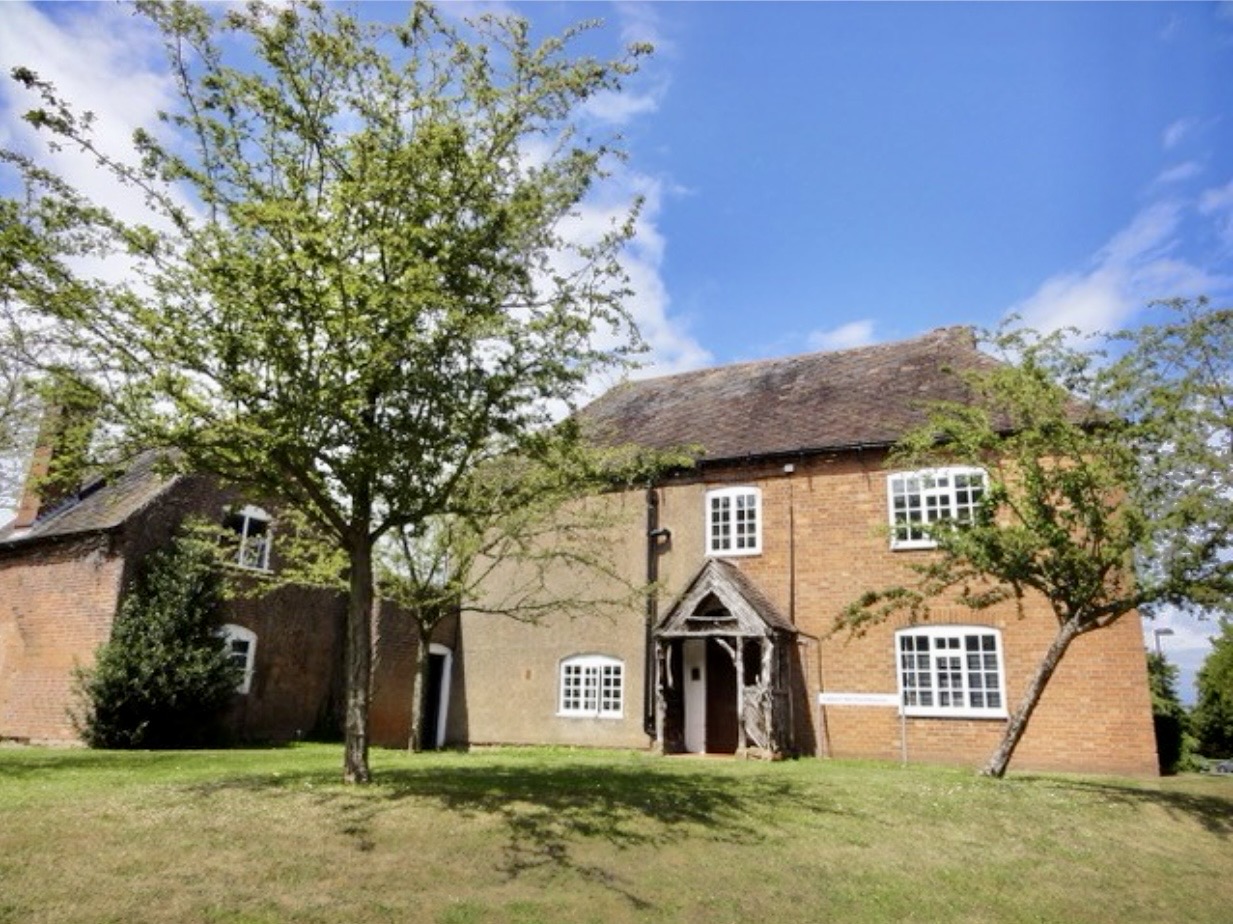
FINALLY TURNING BACK TO WHERE THIS STORY BEGAN …..
THE EMPRESS BREWERY BUILDING TODAY
Today the Empress Brewery remains a grand and impressive building. Still standing, alongside the old Venos building, at 382 Chester Rd and ‘Empress street, Manchester. The well known Venos cough medicine manufacturer Sir William Veno later became part of the Beecham pharmaceutical company in the 1930’s. Both buildings are now fully renovated with the Empress building housing a business center which provides excellent office space facilities. It has retained many original features such as the metal spiral staircase connecting the numerous floors and the cold cellars for storing the beer.
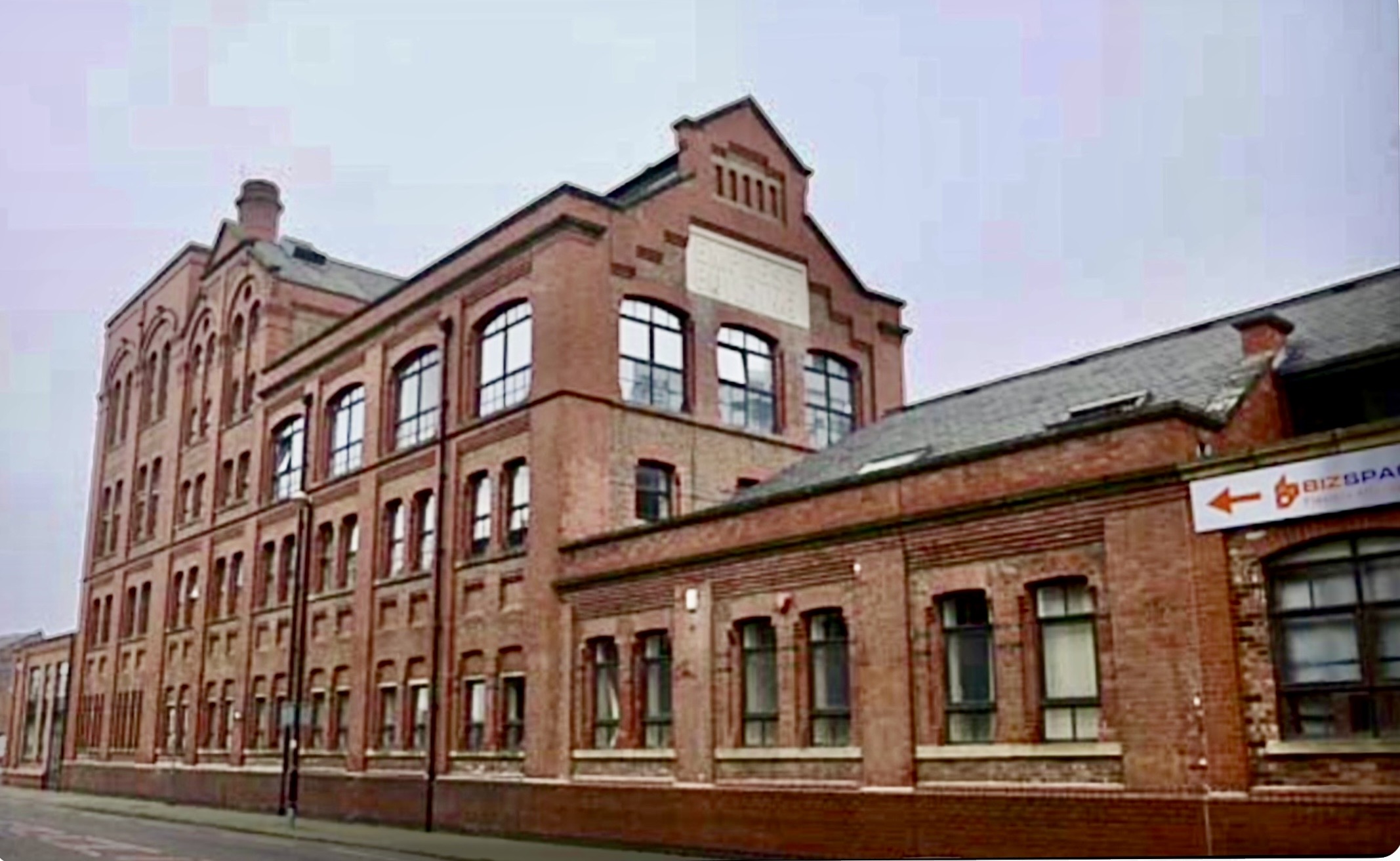
FULFORD STREET
There is a Fulford Street, Old Trafford Manchester, close by to the Empress Brewery which is purportedly named after the Fulford relatives who owned the Empress brewery on Chester Rd. A recent discovery highlights and confirms this likelihood with two different sets of Fulford relatives living on Fulford street before and up until the late 1970‘s.
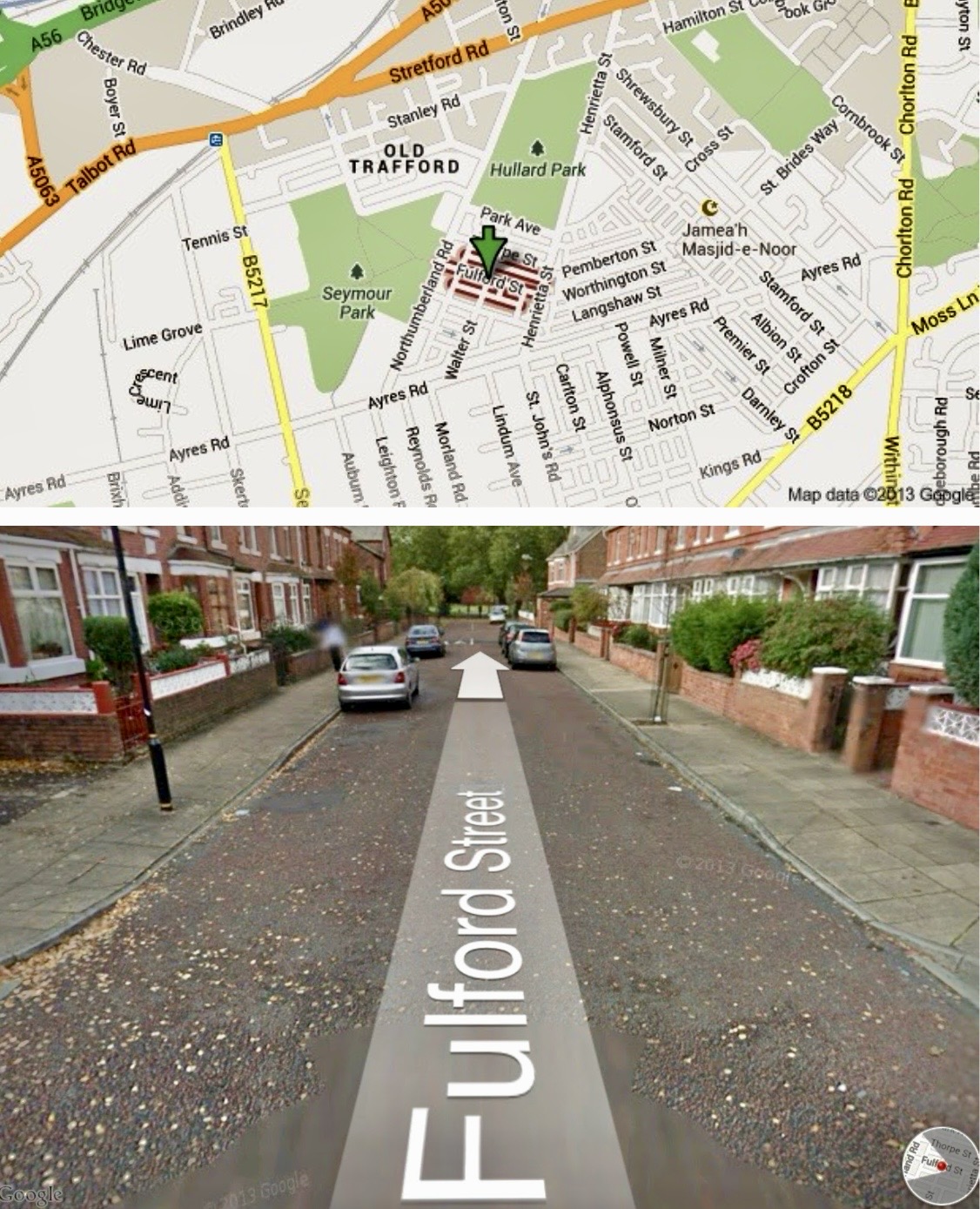
EMPRESS BREWERY, MANCHESTER
PUBS STILL OPEN
Of the then 236 tied Empress Brewery public houses, sadly only a few are still operating and most of the buildings have been demolished. Those open for business and still ‘pulling pints’ are listed.
CITY ARMS (INN), 48 KENNEDY STREET, MANCHESTER
OPEN
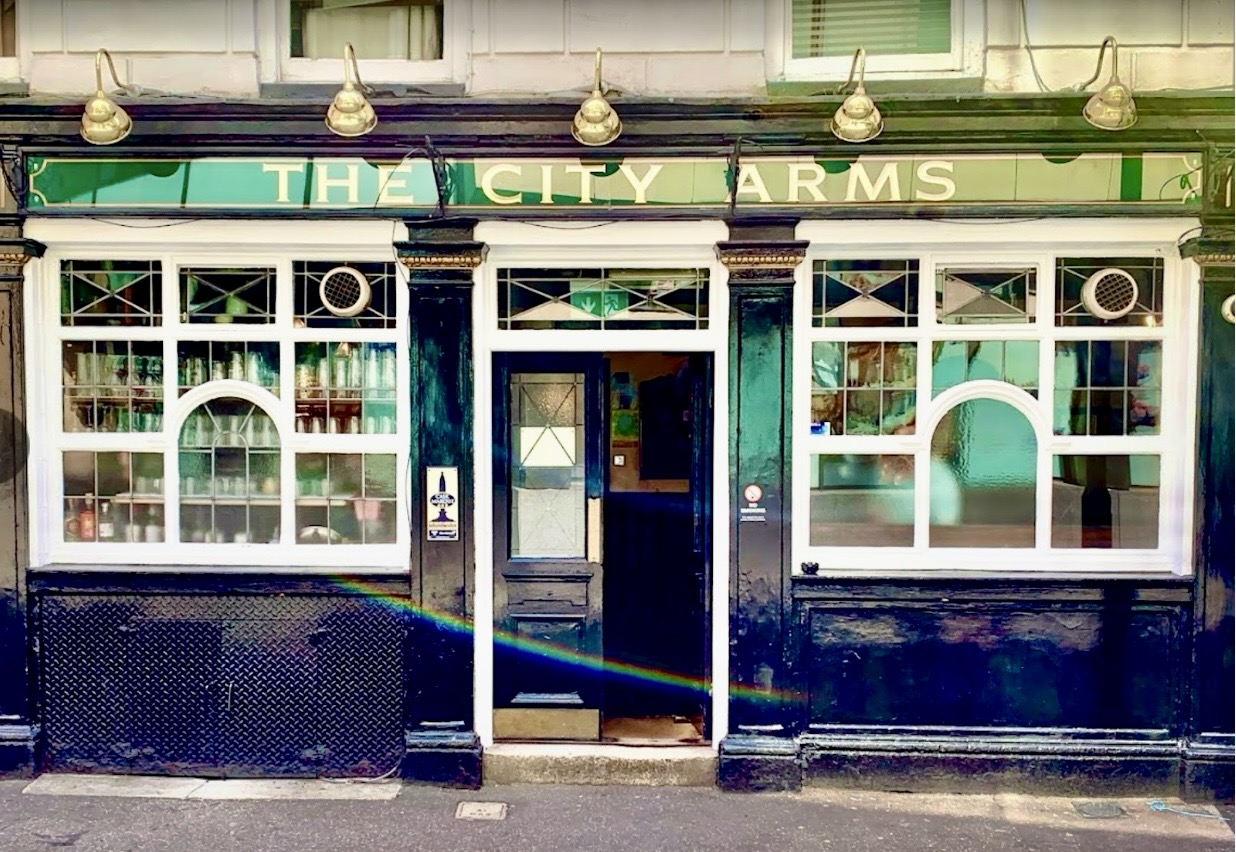
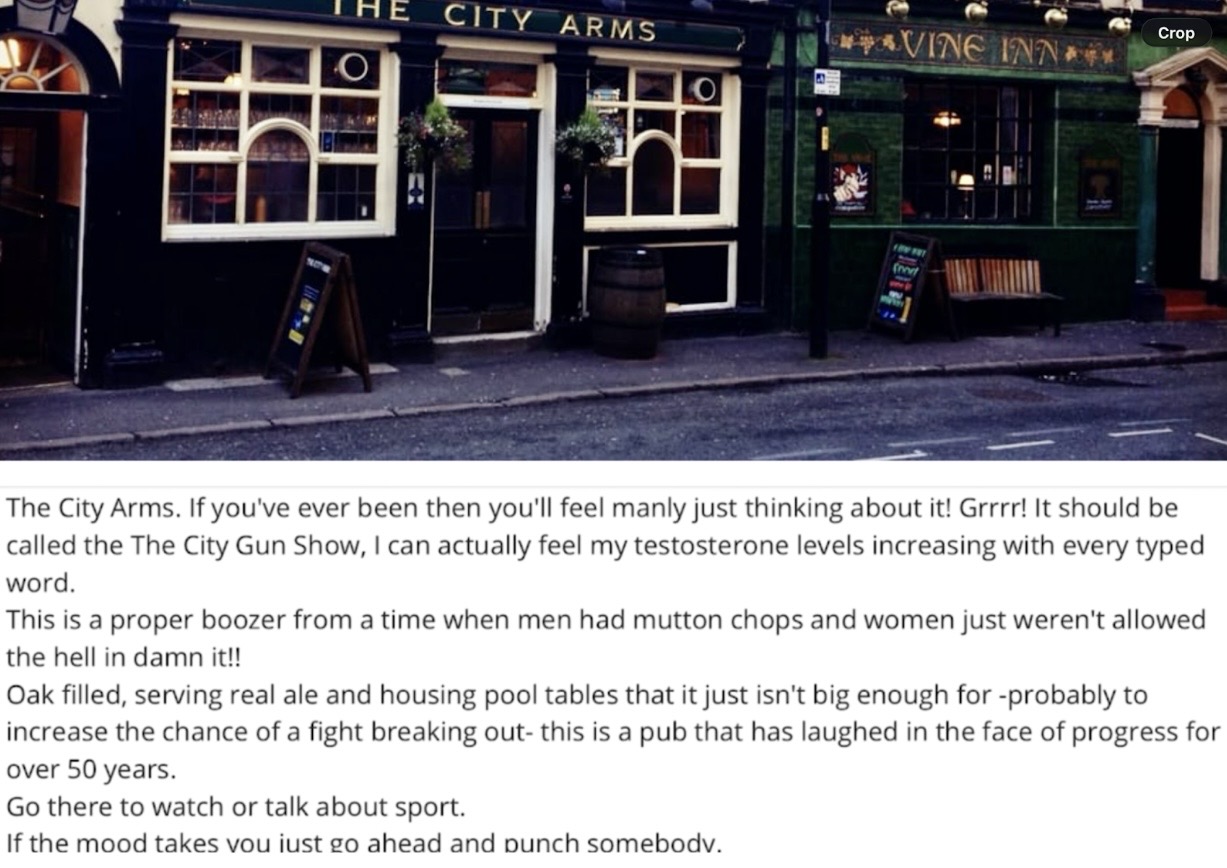
Seems to have a reputation of where the beer is all cheap and the men are all frightened ! According to the review from yelp in 2009.
OLD RED LION, LONDON RD, HOLMES CHAPEL
OPEN
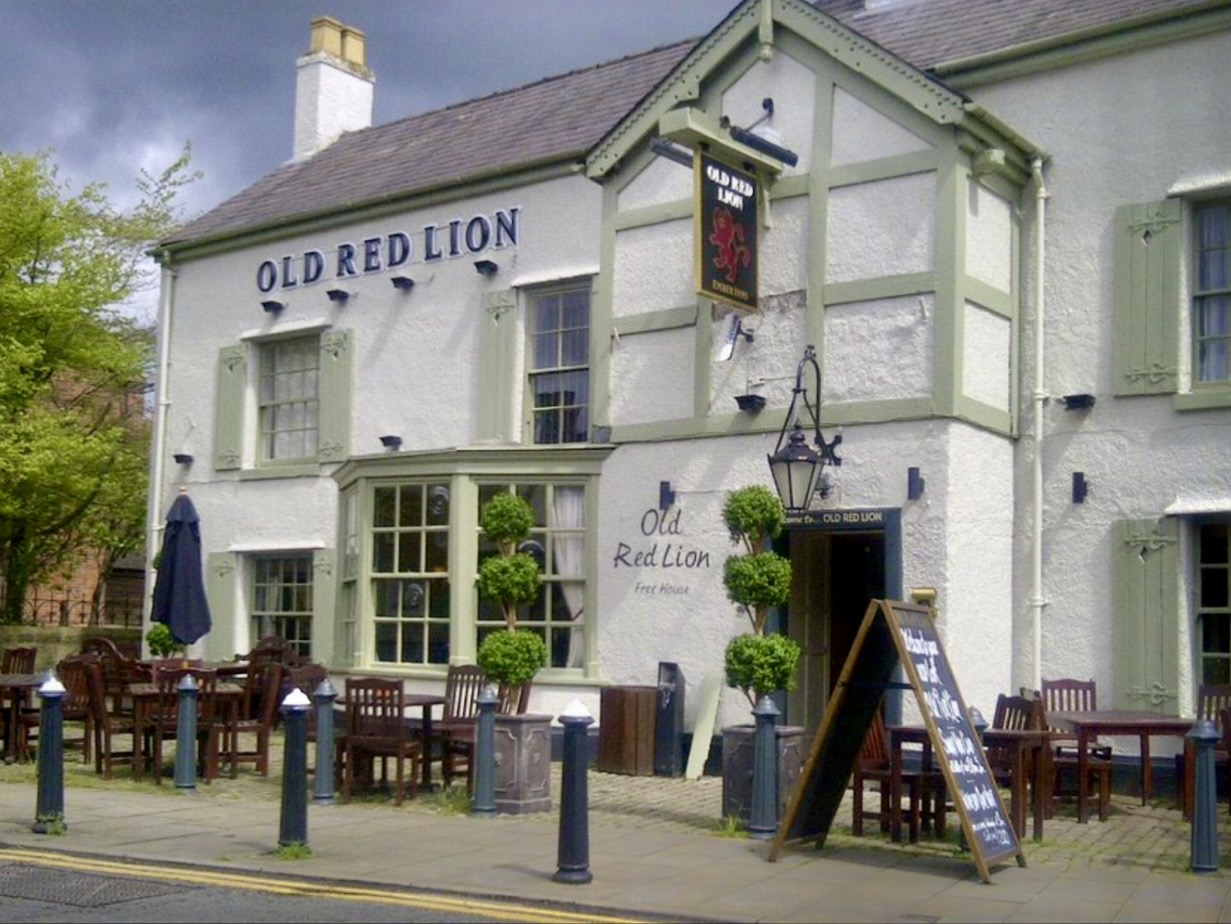
The Old Red Lion is still operating as a popular public house. It is reportedly haunted, with claims of frequent ghost sightings. According to the grisly Swedish 16th Century tradition of immurement, criminals were interred alive within walls. This pub is visited by the phantom of one of those poor souls who was sealed and left to slowly dehydrate and starve to death.
THREE ARROWS, 465 BOLTON BURY RD, RADCLIFFE, BURY, LANCASHIRE. NOW THE AINSWORTHS ARMS.
OPEN
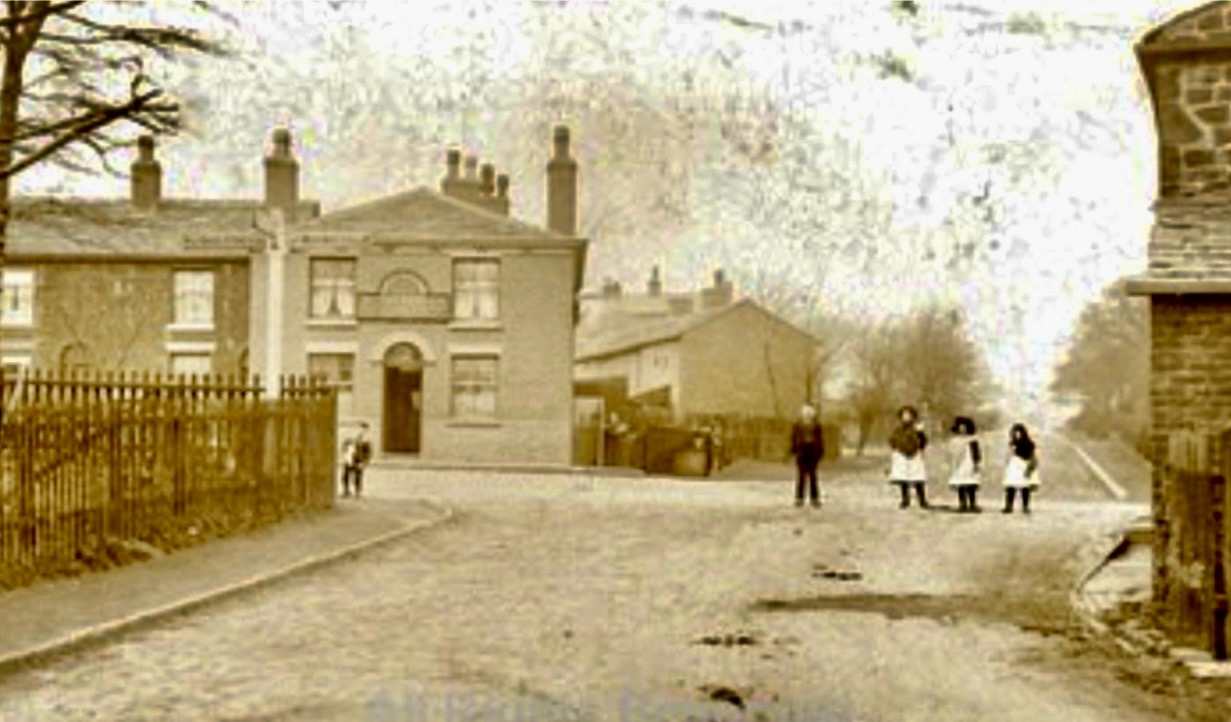
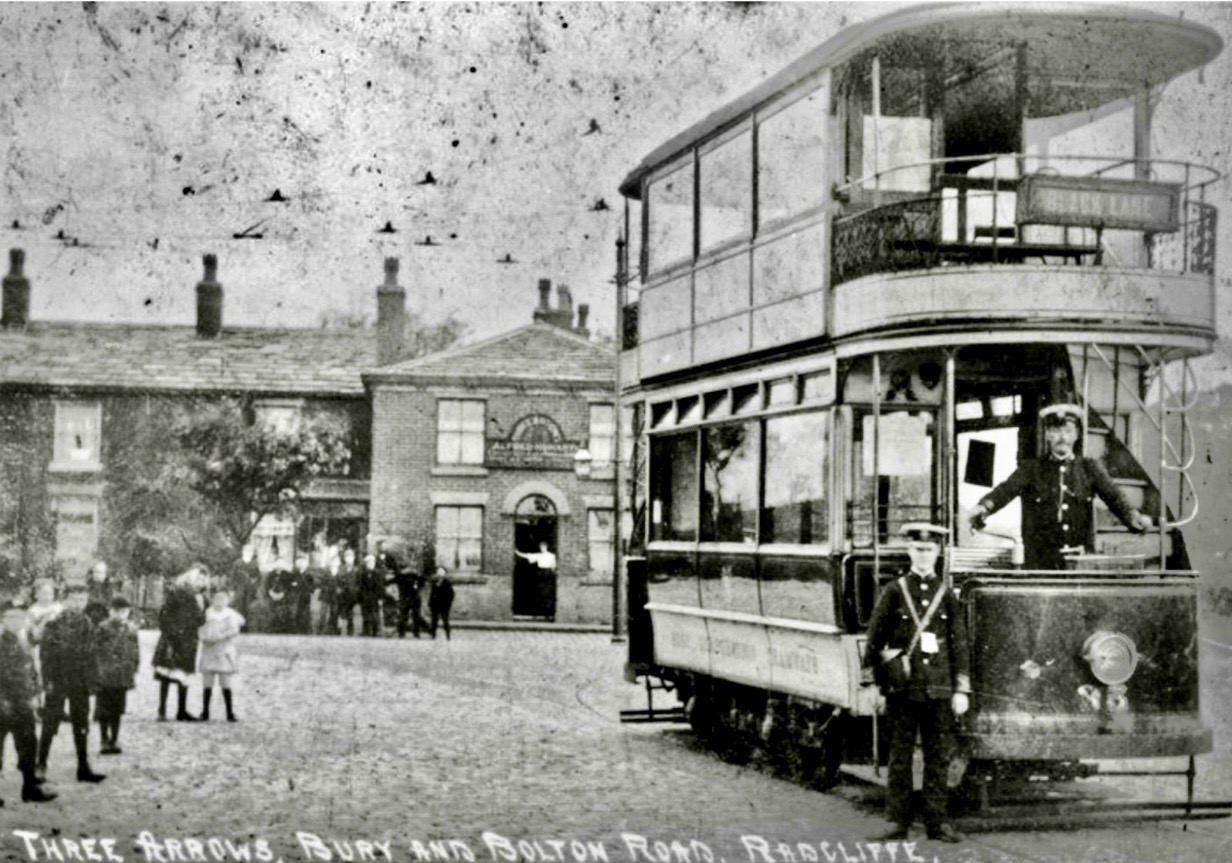
The terraced houses next door were extended into an eatery which most likely ensured the pub’s continuing existence.
Radcliffe heralds the birth of renowned film director Danny Boyle, ‘Slum Dog Millionaire’. Christopher Fulford (actor and direct Fulford Brewers descendant) starred in Danny Boyle’s film, ‘Millions’ and numerous other film productions including the recent ‘28 Years Later’ (directed by Danny and written by Alex Garland) and the soon to be released ‘Ink’ with Chris starring alongside Guy Pearce.
With the Three Arrows real life story Danny Boyle may ‘eat his own words’
“I mean suspense, twists are almost impossible these days” Film Director; Danny Boyle
The Three Arrows now The Ainsworths Arms, harbours a grim and deadly history. In 1944, wartime bride aged 22, failed to have her unwanted baby adopted and enlisted her mother to help murder her baby boy via strangulation and placing the babies head down the pub’s toilet ! Within just 14 days the mother and daughter were both sentenced to execution.
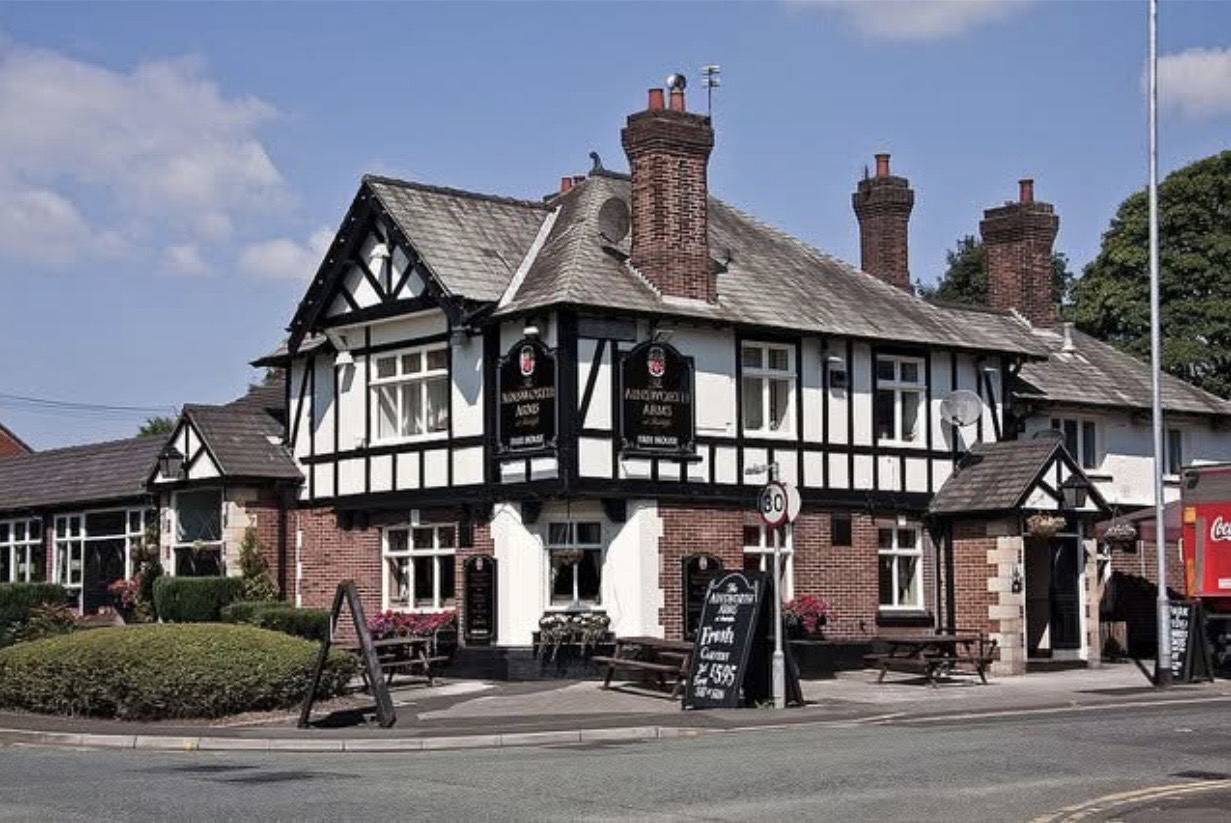
QUEENS ARMS, 6 HONEY STREET, OLD TRAFFORD, MANCHESTER (closed in 1961)
NOW REOPENED
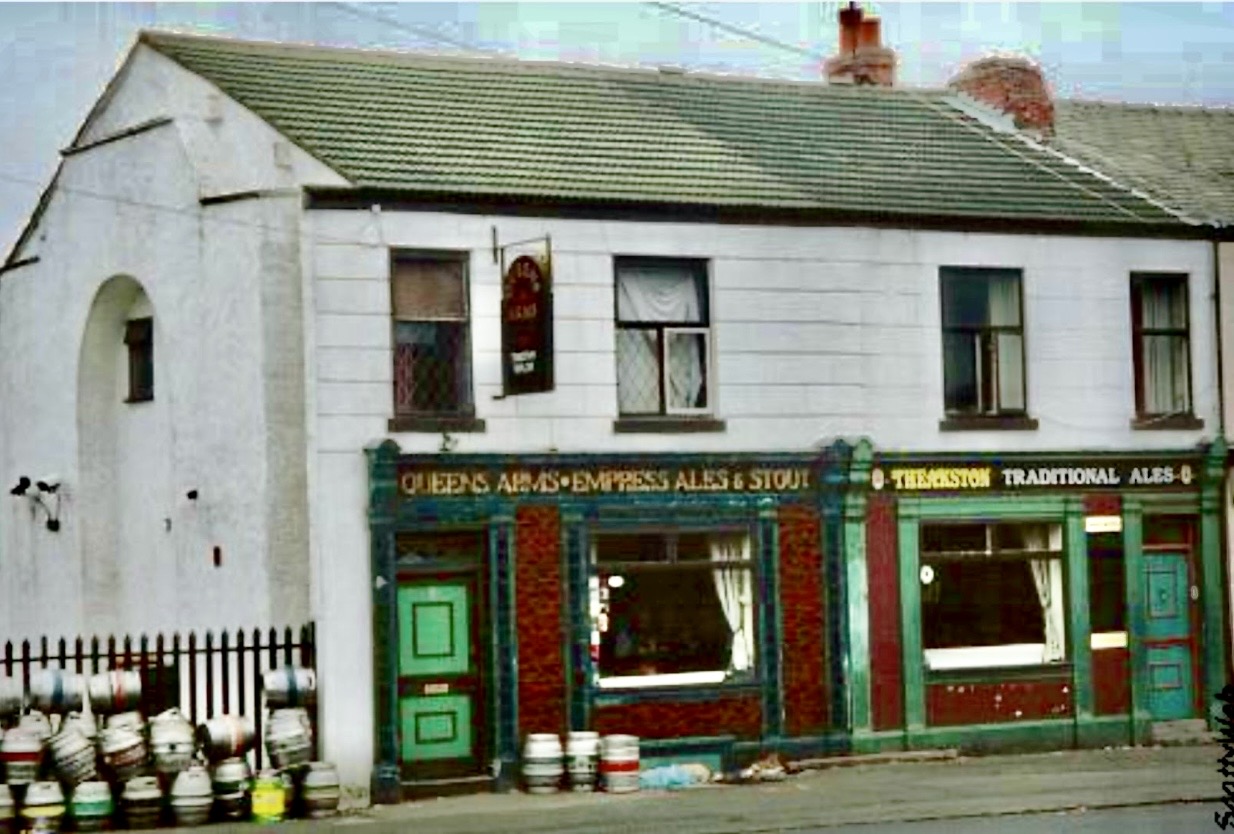
The brewery trademark often encompassed uniquely styled tiles of green and maroon color schemes. These features are still evident in some of the remaining public house buildings today in pubs such as in the Honey Arms, Queens St, Manchester.
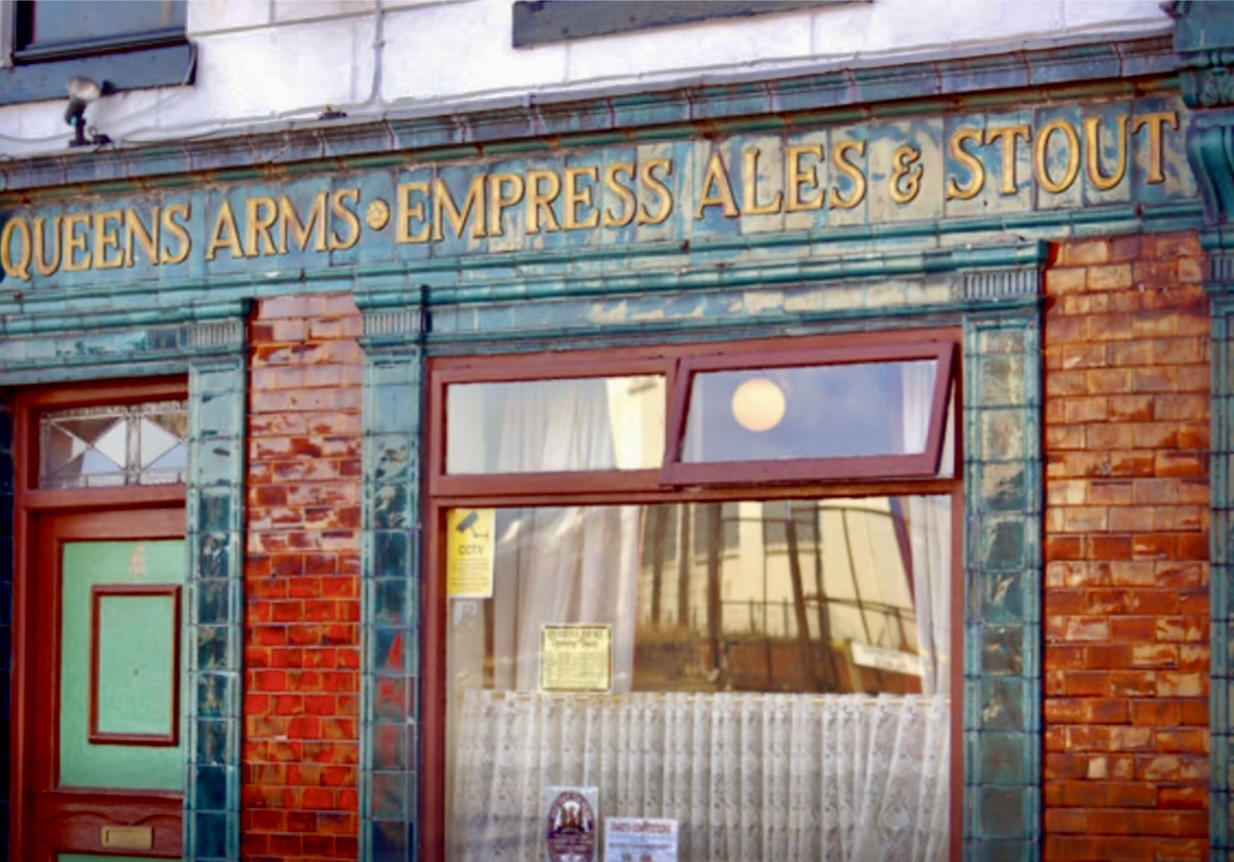
WHITE HART, STOCKPORT RD, LYDGATE, NEAR OLDHAM, LANCASHIRE
OPEN
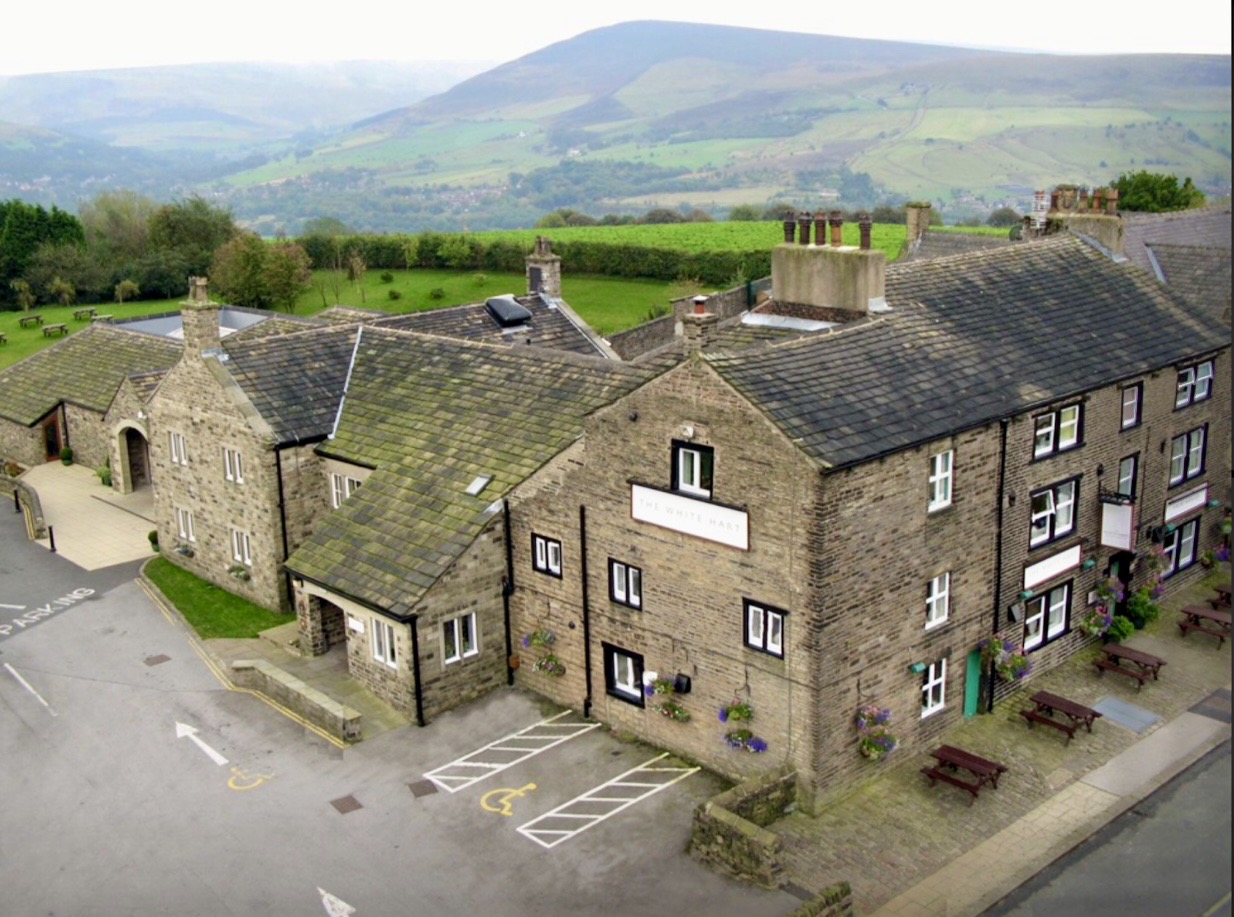
Built in 1788 by local landowner John Buckley. Situated on top of a hill overlooking the Pennines with views of Manchester and Cheshire. Owned by the Empress and other breweries until 1987, the pub has a rich past as a local police station, a school, a weavers cottage and in WWII for the home guard as a lookout with the cellars acting as bomb shelters. Now still a pub, a boutique hotel (sixteen en-suite rooms), restaurant and much sought after wedding venue.
THE EMPRESS BREWERY, THE DEMISE…
THE STORY ANSWERED AT LAST WITH THE MYSTERIES OF LOST FORTUNES NOW RESOLVED
With the general popularity of beer and public houses, it seemed unlikely there would be a decline in the Fulford families brewing fortune.
The Empress Brewery, primarily operated by William Henry Fulford (1844-1909) was hugely successful and on his death the family fortune was equivalent to over 3 million in today’s money.
Joseph Great Great Great Grandfather (1812-1869) suffered numerous bankruptcies which may have prompted his move from Birmingham to Manchester. His sons, William Henry (1844-1909) of the Empress Brewery also suffered losses and Samuel Fulford, Great Grandfather (1851-1920) had ‘Commercial Traveller (Pickles)’ written on his death certificate with his ‘Lion Mineral Water Works’ no longer in production !
Great wealth was achieved but like most good things they eventually come to an end and the Empress Brewery succumbed to;
“Walkers of Warrington .. bought up all Empress’s pubs and beer houses in the 1920s” Reference;pubsofmanchesterblogspot.com.
However, there are remarkable and unpredictable factors contributing to the demise of the Empress Brewery.
BROKEN BOTTLES
The grandmother’s tales of lost fortunes offers a surprisingly simple and feasible explanation. In essence, the returnable beer bottles were discarded and broken by children to retrieve and play with the marbles from the tops. Wikipedia refers to the Codd bottles that housed the beer and states;
“Since children smashed the bottles to retrieve the marbles, vintage bottles are relatively scarce and have become collectors items, particularly in the UK. Wikipedia
There were no X boxes or Super Mario games in those days, so marbles from beer bottles became attractive commodities !
The loss of recyclable glass decreased profit margins and hampered future production.
BOTTLE THEFT
Another author, Mike Sherridan, reports that 100 years ago bottles were stolen for use by unscrupulous producers who would use their own labels over the preexisting motifs. This led to manufacturers needing to use differing coloured marbles to identify and prevent such abuse. The Lion Mineral Water Company using a light green marble in a Codd bottle.
ECONOMIC DEPRESSION
Broader environmental factors were also responsible for the Fulford breweries demise. At the end of the 18th Century and onward into the early 19th, there was an economic recession which later deepened in the UK and America by the ‘Great Depression’. This resulted in significant financial and manufacturing losses, particularly in the agricultural sector. Furthermore, in 1929 the Wall Street Crash severely affected the United Kingdom’s brewing industry resulting in a reduction in disposable income which crushed beer sales. This had a long term influence which ultimately caused the failure of smaller breweries and led to a general reduction in beer production.
ARSENIC SCANDAL
Other unusual forces were at work and at the turn of the 18th century, alongside the recession with larger breweries buying out smaller entities, there was a mysterious scandal that seriously affected the beer produced in many of the Midlands breweries.
The contaminated beer epidemic began during the second half of the 19th Century and was centered particularly in Manchester and Salford and undoubtedly contributed to the demise of several Midland breweries.
In 1901 a Royal Commission investigated a strange affliction amongst the beer drinking population of Manchester, Salford and other places in the Midlands.
Extraordinarily, beer drinkers developed an unknown medical condition. They developed a strange conspicuous yellow pigmentation, known as ‘Khaki’ skin. The situation was so dire, with over 6,000 people affected and at least 70 people died. The sugar for the beer that had been supplied to many of the Midlands breweries, from Leeds and Liverpool, had been laced with arsenic !
None of the Fulford breweries were specifically listed in this enquiry but one assume that customer confidence was sorely damaged !
WILD PARTIES
Other wonderful family stories may reveal a culprit who squandered some of the Empress’s family fortune. The son of
Lucy Ellen Fulford, (sister of William and Samuel), Alfred Hyslop (1880-1959), married Mary Agnes Randall (1885-1963). When Alfred went to war, Mary, who worked in the cinema industry,
“loved mixing with the stars of her day, had mink coats, loved the good life and frittered the family fortune holding cocktail parties”.
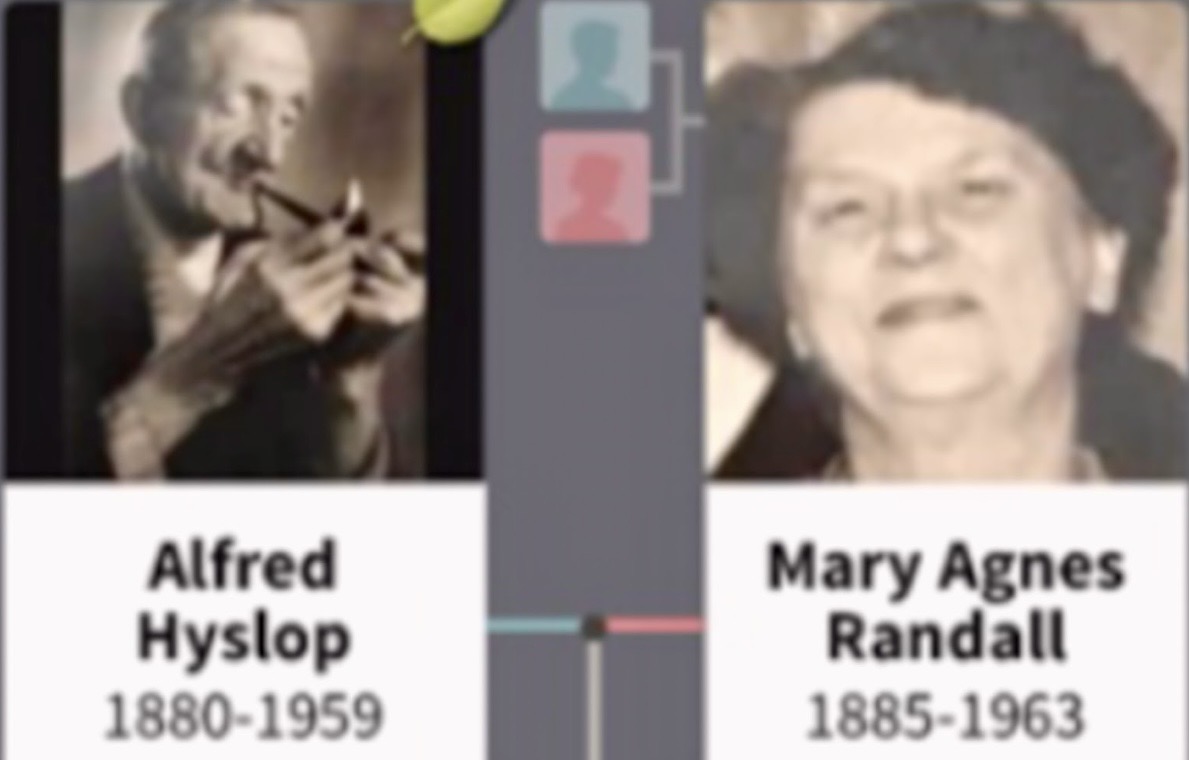
THE DANGERS OF EXCESSIVE BEER CONSUMPTION
The dangerous consequences of alcohol intoxication and addiction should not be underestimated. Several Fulfords associated with the brewing industry, fell into disrepute and succumbed to untimely deaths, either whilst drunk or dying within the public houses they were operating. The effects of the ‘humble beer’ were far reaching and sometimes by association, literally of ‘grave’ consequence.
The brewing industry is not the healthiest environment to be working in and some ‘fall foul’, tempted by the lure of the intoxicating liquor and literally ‘drink away’ profit margins.
High financial gains may provide strong incentives but a high degree of resilience is required in an industry which faces frequent challenges.
There are potential and inherent dangers when working as a publican on the ‘front line’ operating a public house. Often surrounded by intoxicated people, public houses can sometimes be the setting for violent events. Individuals fueled by alcohol, may lose control of their behavior and indulge in dangerous and aggressive acts. Such events may lead to fines, incarceration and sometimes untimely deaths.
A significant number of Fulford’s made the ultimate sacrifice and died, perhaps before their time, within the pubs they operated. Thomas Fulford (1817-1882) publican, died at the Bartons Arms and much earlier in an unrelated incident, he was forced to expel a drunken man who was later fined in court for his aggressive and unruly behaviour.
Erdington Daily Post January 2nd 1864 page 4.
Thomas’s younger brother Edwin (1820-1850), publican of the Globe public house, died aged just 30 of excessive alcohol poisoning whilst drinking at another pub in Birmingham.
Another brother Henry’s (1818-1889) at the Vine public house, son Thomas Joseph (1847-) died literally ‘falling off the wagon”. On leaving the pub, on one of his regular nightly drives, he let the horse ‘take the reins’ and find its own way home. Thomas died in a state of complete intoxication, when his horse and cart overturned.
The son of William Henry’s (1844-1909), (Empress brewery), Alfred Edward (1886-1936) experienced a temporary ‘fall from grace’ when in a state of alcohol intoxication, he was found walking on a live railway track. He then assaulted a railway worker and police officer who tried to arrest him. He narrowly escaped long term incarceration due to his otherwise faultless army record within the Coldstream guards.
Another apparently unrelated John Fulford (1813-), publican of the Springhill Tavern also died within the public house he operated.
LOSS OF THE BREWERIES/PUBS
THE RECENT GENERALISED DECLINE
Looking back over time, the breweries, public houses, and the people that own and operate them, like the styles of beer produced, are subject to continual shifts and changes. There is constant restructuring within the beer industry which fluctuates due to market forces and customer demand.
In 2008 The Economic Times News wrote that according to figures released on Monday July 28 2008, London;
“A pint of beer may be an official “Icon of England”, but sales have sunk to the lowest level in Britain since the Great Depression of the 1930s”,
The loss of our public houses is tantamount to losing a part of our national heritage. So many of these wonderful old brewery buildings and public houses are steeped with history, often possessing historical significance and remarkable architecture.
The article, “Birmingham’s vanishing pubs – and the traditional boozers fighting back”; Graham Young; Birmingham Live 14th November 2021 states that;
“Even before the pandemic, Birmingham had lost 200 pubs between 2001 and January, 2020….
The number of UK pubs lost in 2020 reportedly hit 2,500 – more than double the number of previous years…”
Figures of pub closures in spring 2021 were two every twenty four hours and the number accelerated and doubled during the Covid 19 lockdowns. After months of restrictions and closures the then British Prime Minister Boris Johnson called for a return to the pub saying that on April 12th 2021 he would be,
“cautiously but irreversibly raising a pint of beer to my lips.… and that then life will start returning to some semblance of normality”.
FUTURE RECOVERY
The Washington Beer blog June 11th 2026 argues that beer remains as one of the world’s most popular beverages to be enjoyed for centuries to come.
“Beer will continue to be culturally important as tastes evolve, as it adapts to new needs and continues to bring people together in different settings and places”.
The article also promotes beer festivals as a means of strengthening community connections.
THE EMPIRE STRIKES BACK
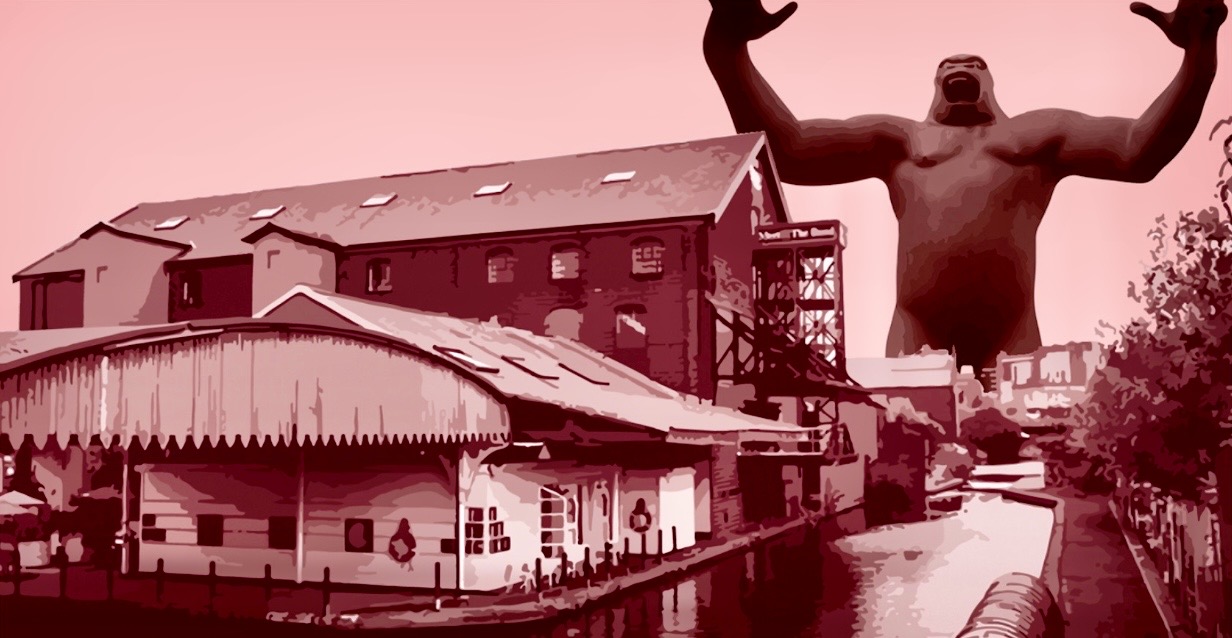
Even before the COVID outbreak, the writer and food critic Paul Fulford (no apparent relative), a great advocate for Birmingham, was promoting the 2018 Birmingham beer festival. He wrote;
“A new independent beer festival is coming to Birmingham this summer celebrating the Midlands’ brewing scene”.
A project by William Cook, a Canadian Professor at the University of Waterloo, developed a map of the 24,727 places to drink within the United Kingdom and highlighted nearly 400 pubs in the centre of Birmingham. The map establishes the longest ‘pub crawl’ route in the world.
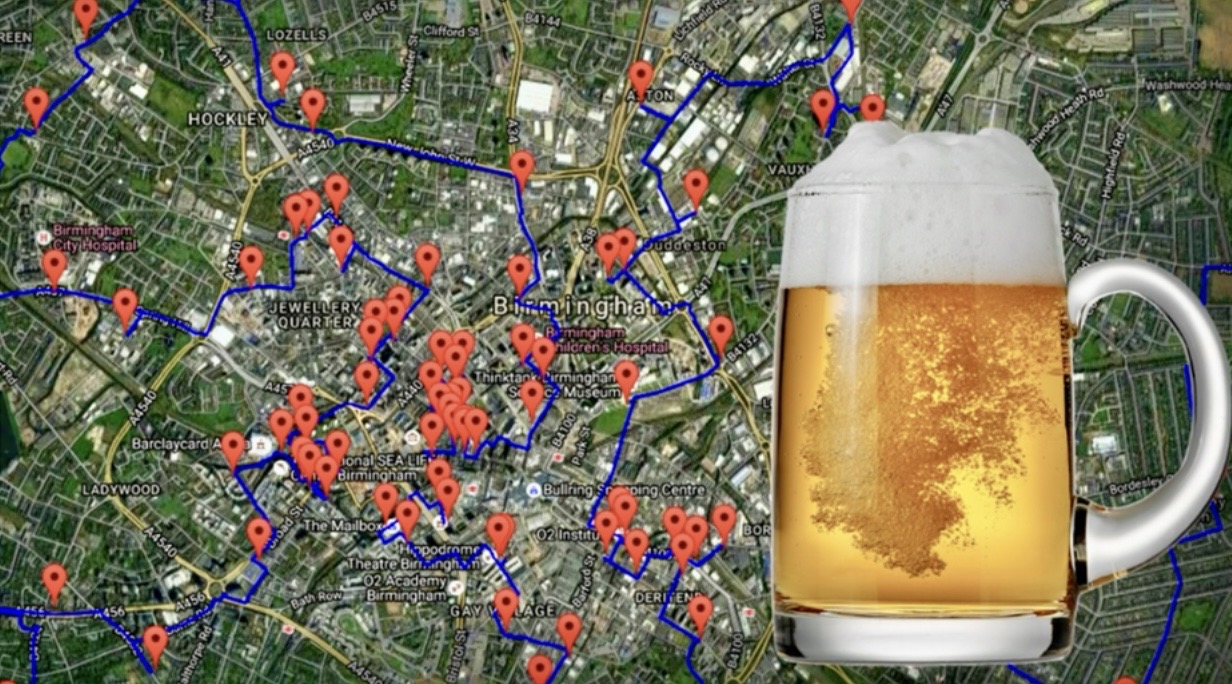
Another comprehensive map from Reddit.com with the Birmingham Metro stops and the pubs en route.
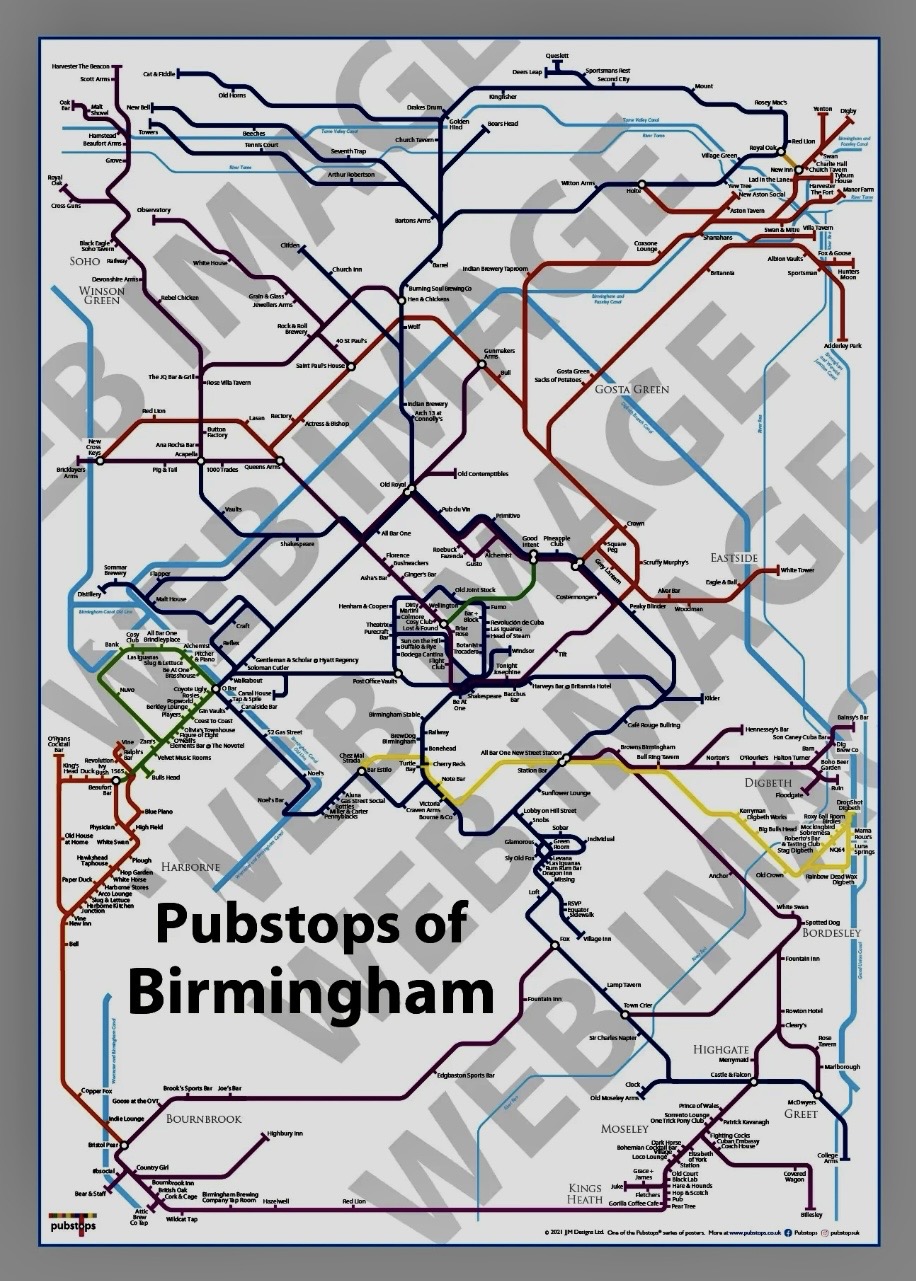
MODERN DAY BIRMINGHAM BEER SCENE
Birmingham has a healthy pub scene. There are positive signs of future development particularly with the increase of independent microbreweries such as the Burning Soul Brewery and a return to in-house brewing within preexisting pubs as within the Twin Towers Brewery, which operates behind and alongside The Gunmakers Arms (previously a Holt Brewery public house).
In “Birmingham’s vanishing pubs – and the traditional boozers fighting back” Graham Young highlights individuals who are renovating and promoting our old Birmingham pubs;
“real ale expert Nigel Barker (The Wellington, Bennetts Hill) has also taken on The Bull on Price Street, too”
The Barrel Inn, a Holt pub, was situated on Dart street and Watery Lane but demolished around 25 years ago. The Garrison public house on Garrison Lane, Birmingham, was the fictional Headquarters of the Shelby’s in Peaky Blinders. Watery Lane was where the Shelby’s were born and based. Despite the popularity of the film series, the pub is now closed but the building is currently used for retail purposes.
THE GARRISON
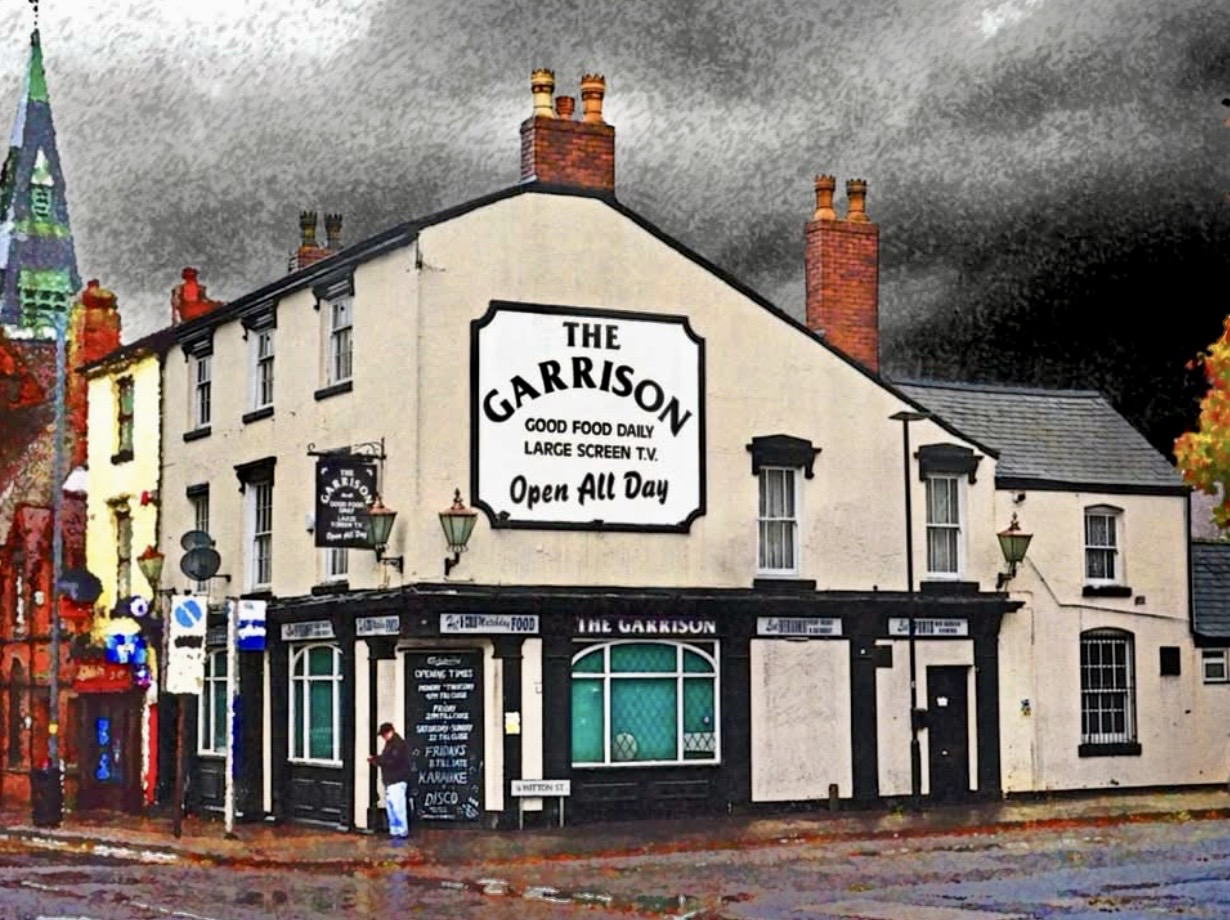
THE FULFORD BREWERS
Excerpt from ‘The Last Kingdom’
King Alfred accusing
“He believes I drink too much Lord … and yes I do ..
“It is the taste lord ?
“No it is the effect.” UTRID TO ….
There are seemingly endless stories of Fulford families associated with beer and its production in the Midlands. Fulford farmers were agisting land, growing and milling the barley for the beer, then using the canal systems to transport their goods to and from their breweries and outlets. Individuals were involved at all the different levels of the brewing industry.
Fulford brewers have an important role within Midlands brewing history, particularly in Birmingham and Manchester.
From humble farming roots to a beer producing industry with hundreds of associated public houses, selling arguably the best beer and having dominance of the market share throughout the Victorian era and beyond. Theirs is a tale of ‘rags to riches’, wealth and success coupled with loss and misfortune.
Around 1818, the earliest recorded Fulford maltster was working as a grocer and maltster in Deritend, the market center of developing Birmingham.
In the 19th Century, Fulford maltsters founded two breweries in Birmingham the Minerva Brewery on Mott street and Fulford brewery later renamed Holt brewery on Holt street.
John Fulford (1785) and Joseph Fulford (1812-1868), father and son, began as maltsters and progressed to own the first Fulford Brewery, the Minerva on Mott street around 1841.
The Holt Brewery was operated by three generations of Fulford fathers and their sons. John (1785-)‘s brother Richard Fulford (1789) and his son Henry Charles (1823-1886) were maltsters on Holt street in 1848.
Henry Charles (1823-1886) founded the second Fulford Brewery on Holt street around 1872. Henry’s son Henry Charles (1850-1897), renamed the brewery Holt Brewery after his fathers death in 1887. Holt Brewery acquired over 250 public houses during its 62 year history and at its peak produced around three million pints of pale ale per week.
In 1902 the Holt Brewery introduced the “Drunkards and Wayward Women”, ‘Black Book’. This book advertised drunkards and ‘wayward’ characters who were banned due to a variety of often repeated misdemeanors who subsequently suffered heavy penalty violations for reentry into the 250 plus Holt public houses.
Around the same time and just prior to the renaming of Fulford Brewery as Holt Brewery, William Henry Fulford (1844-1909) established the Empress Brewery in Manchester around 1884. William (1844-1909) was son of Joseph Fulford (1812-1868), brewer at the Minerva Brewery who had migrated from Birmingham to Manchester after bankruptcy in 1860. The Empress Brewery had 236 associated public houses.
Holt Brewery was one of the largest and most successful Midland breweries of its time. The Holt Brewery continued to brew beer but was taken over by Ansells in 1934 and finally ended production in 1974.
The original Holt Brewery building still remains with some lasting features and memorabilia. Some of the public houses are still operational and still display signs and signatures of the Holt Brewery history.
The great brewing traditions of the northern breweries and the beer they produced significantly contributed to our great beer drinking nation.
Hopefully, the stories and memorabilia associated with the pubs and the beer they served will remain popular. The Fulford bottles from the Empress Brewery, The Lion Mineral Water Works and The Holt brewery will provide lasting and timeless memorabilia of our ancestors’ brewing history.
Fulford Brewers have an established place in beer history .
THE F***ING FULFORDS
Just to put the record straight there may be a very distant connection but no direct link with the Royal descendants and ‘well to do’ Fulford’s of Devon, the Francis Fulford in The F*** Fulford Television series.
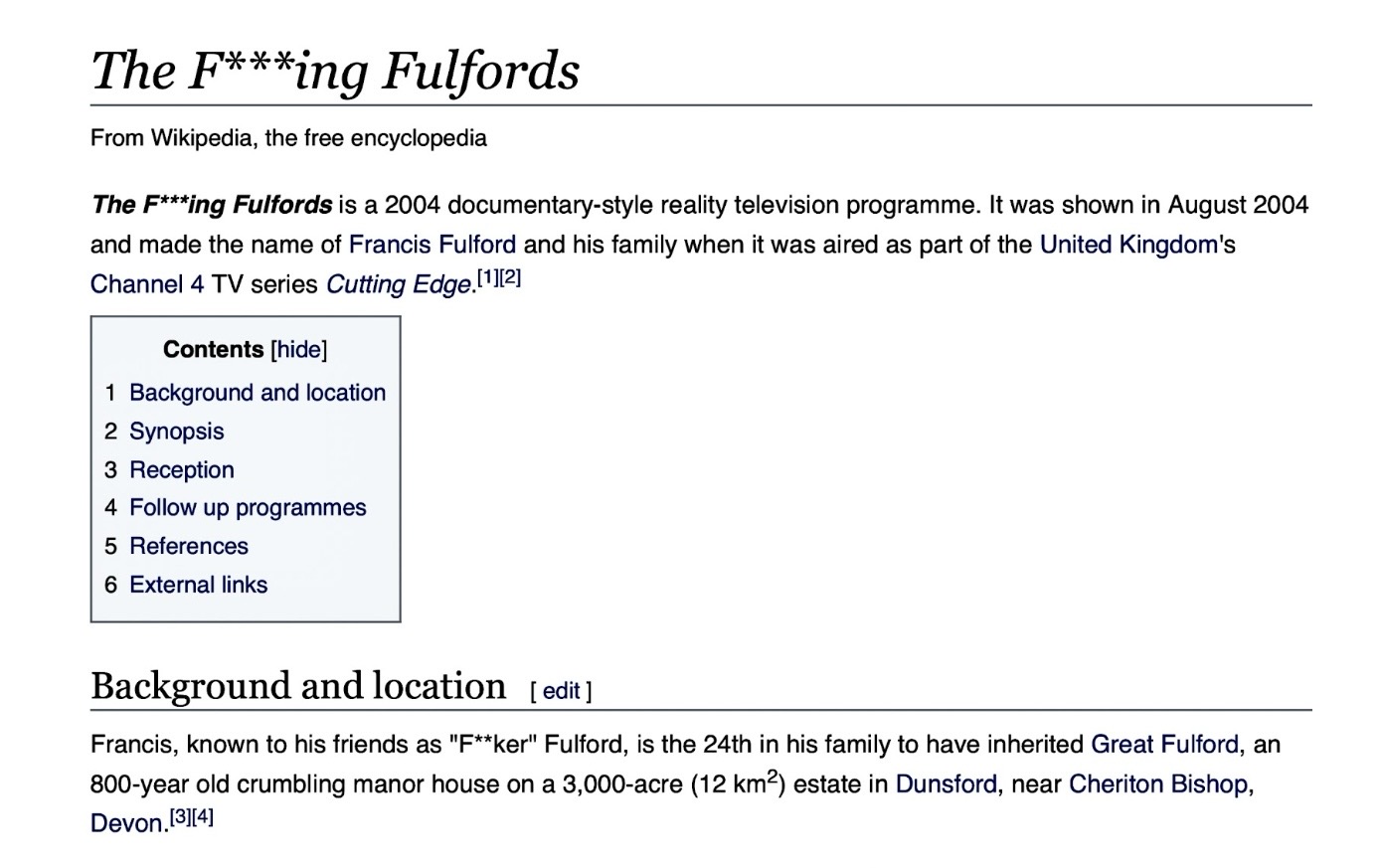
Great Fulford, Devon has now been renovated and is the home of Francis Fulford and Kishanda his wife, a charming and hospitable couple. A few years back I had the opportunity to attend a wedding at the ‘F*** Fulfords’ stately home. Johnny Dunhill of ‘Dunhill’ cigarettes and wife Keely used the Fulford stately home for their wedding reception. The Feramones ‘Super Group’ rock cover band played at the reception featuring Rick Fenn (10 CC), Alan Park (Cliff Richard), Pete Howarth (The Hollies).
On meeting Francis Fulford, he enthusiastically commented on us sharing the same surname name; telling me with great gusto that;
“We could be related”.
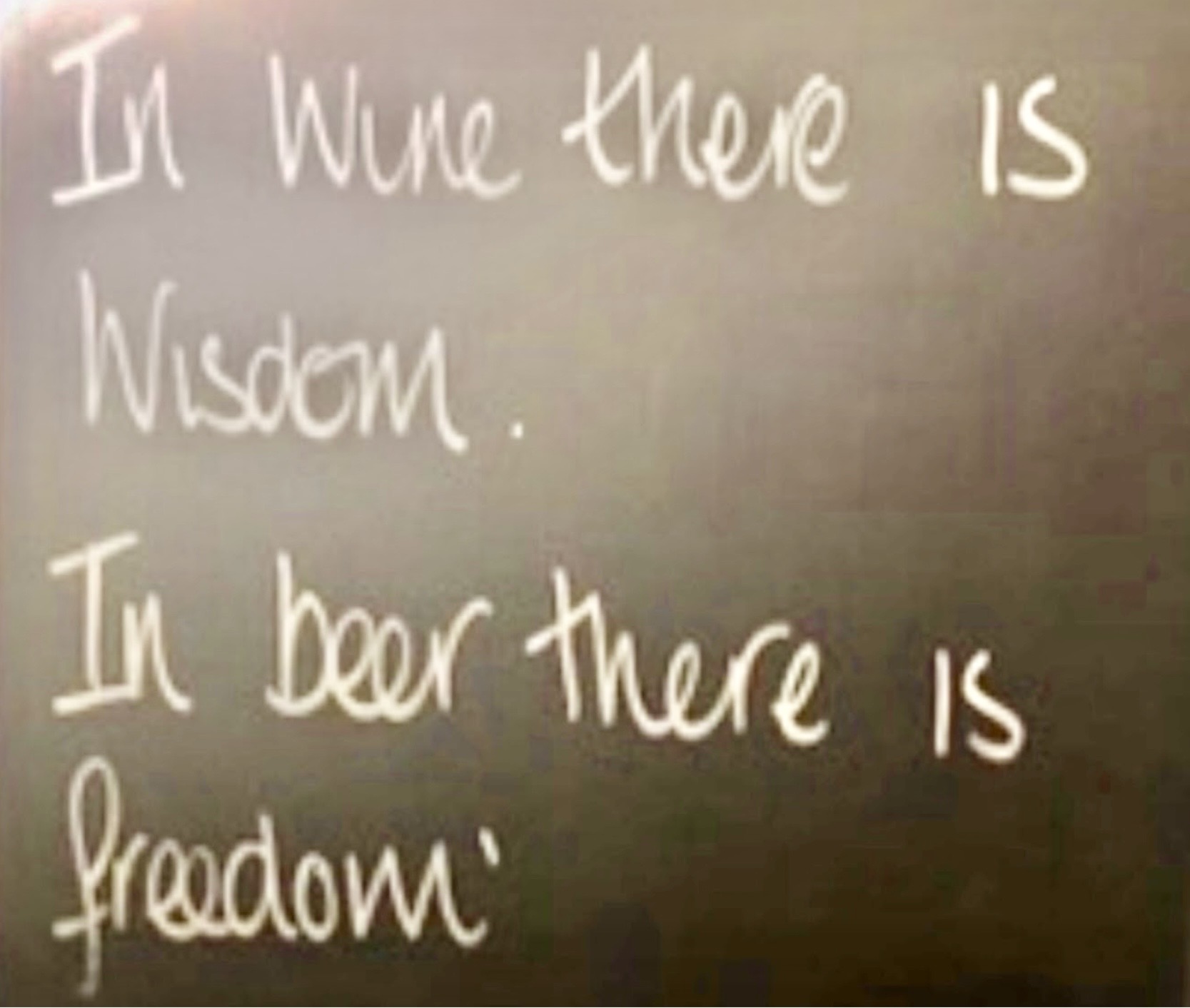
“